Changzhi, Shanxi Province's First PV-Storage-Charging-Discharging Station — the Cainong New Energy Vehicle Charging Station — Officially Opens!

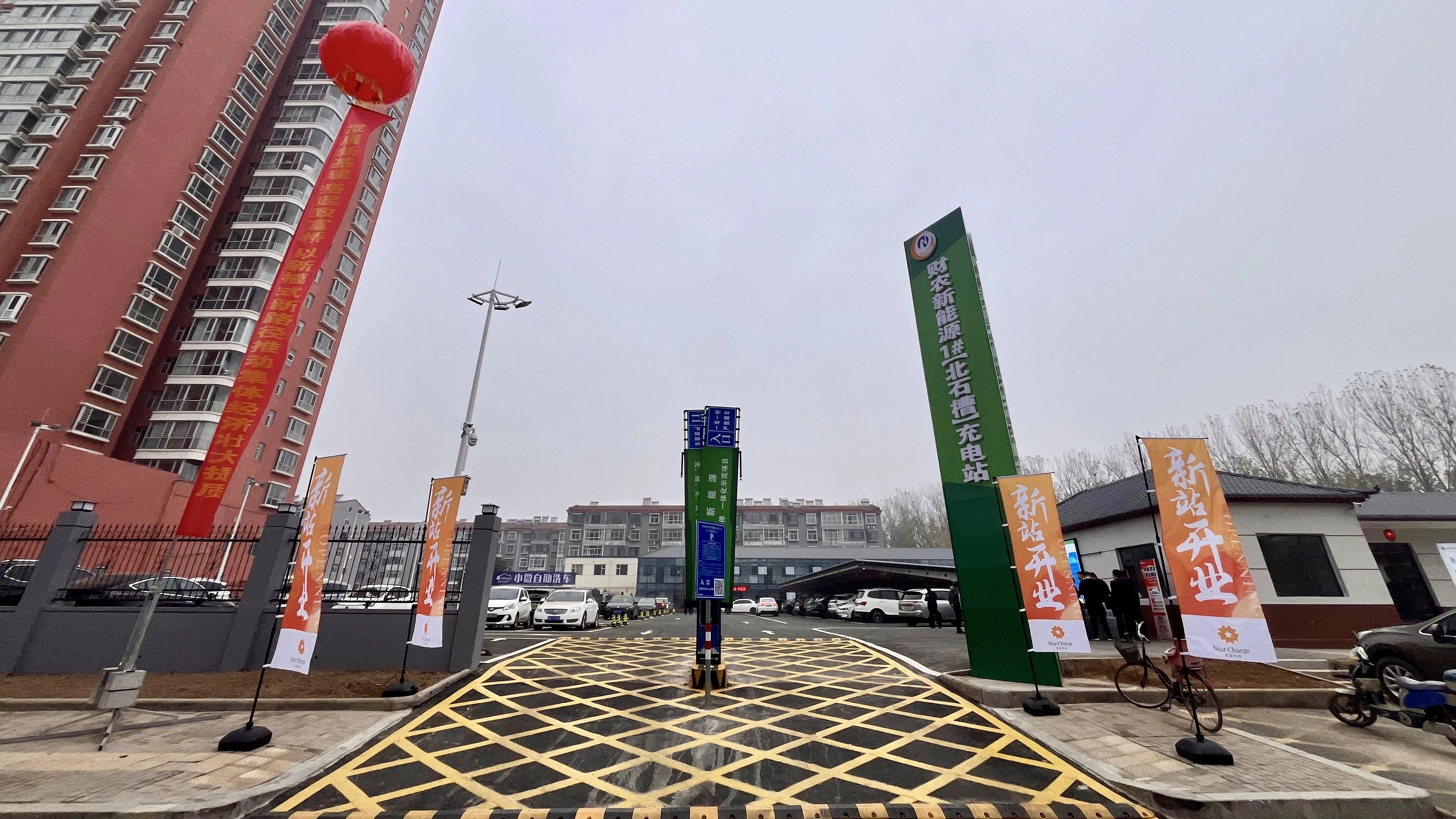
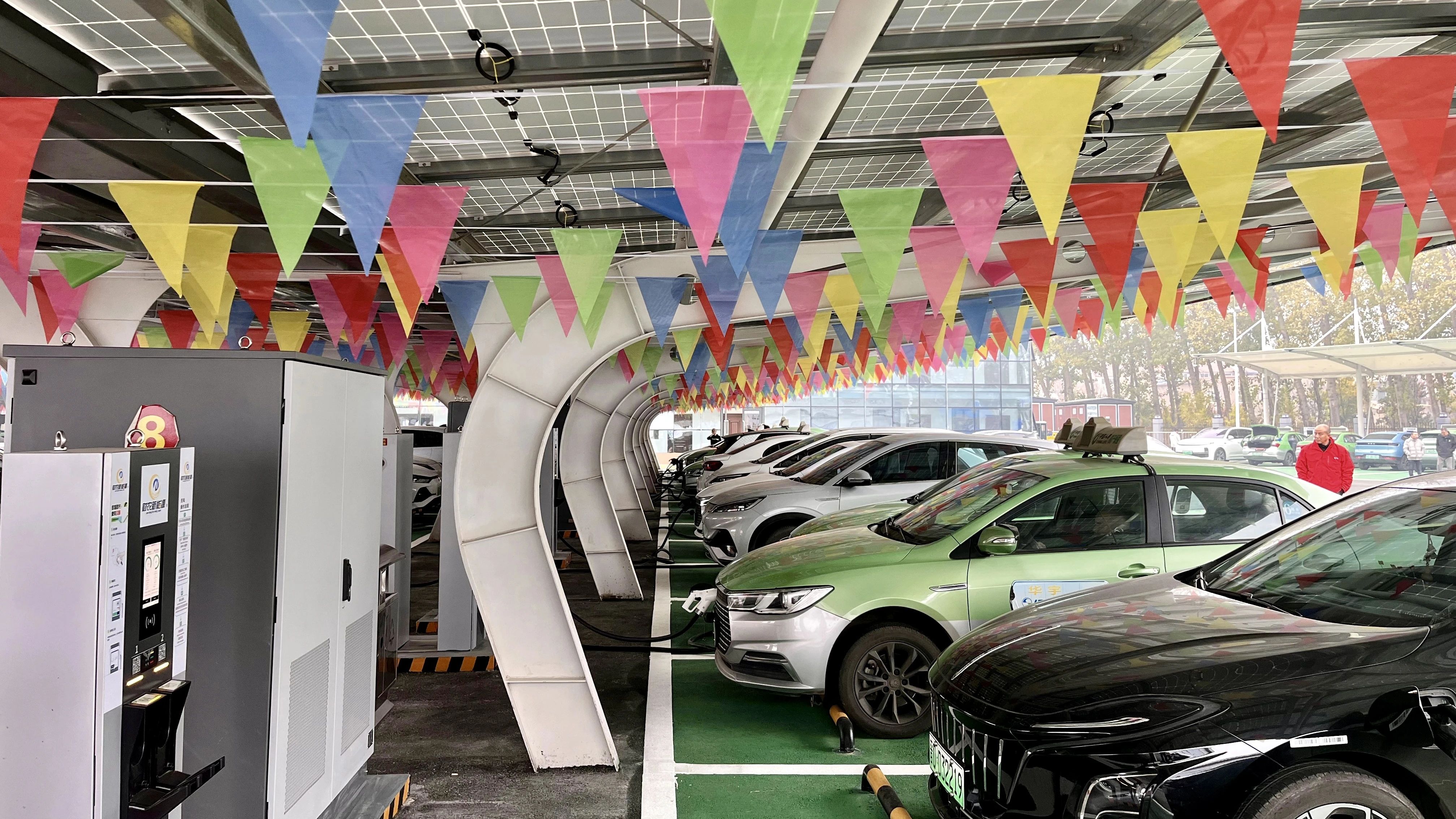
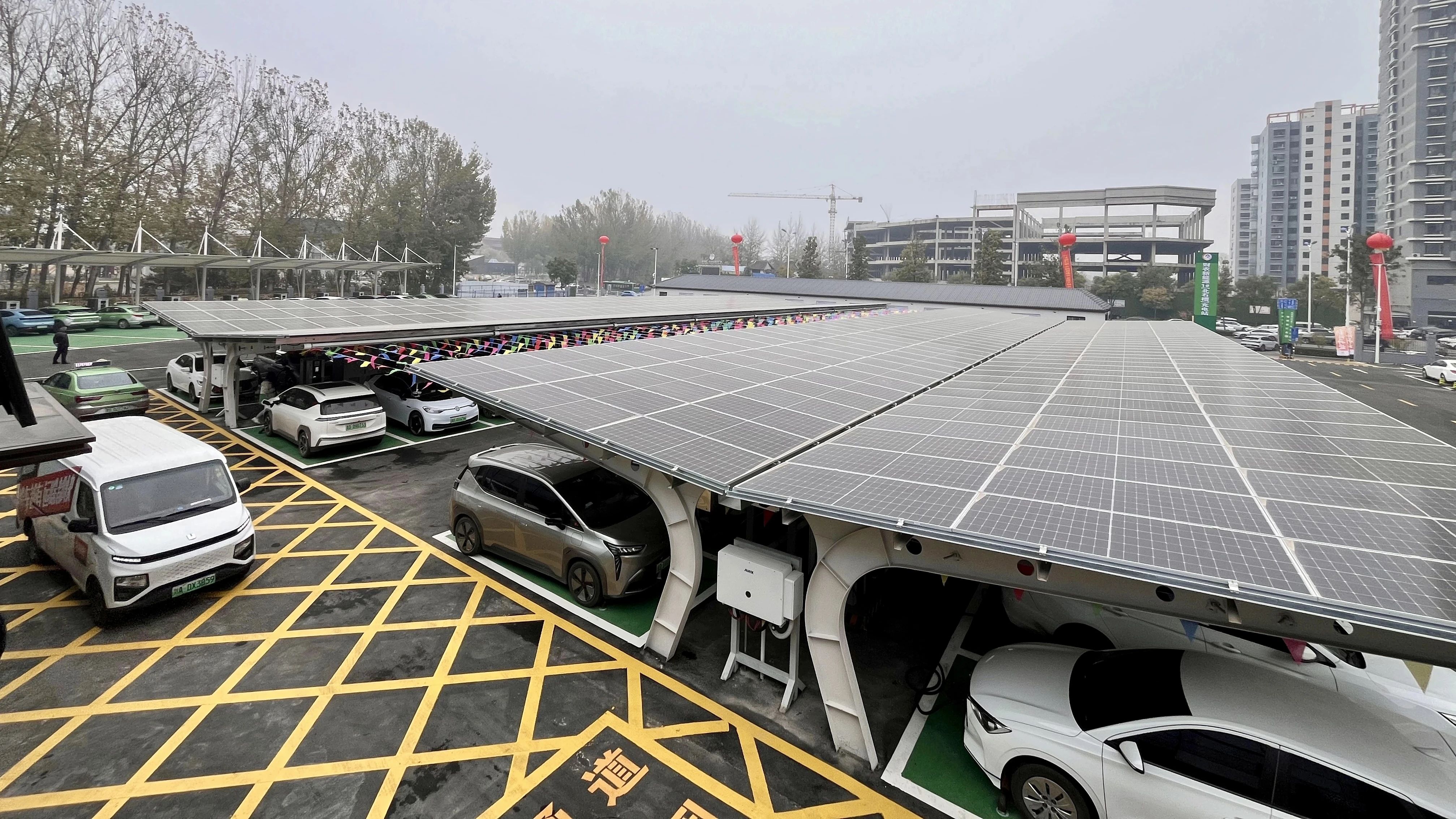
On November 11, 2024, the Cainong New Energy Vehicle Charging Station No. 1 (Beishicao Station) in Changzhi, Shanxi Province, officially opened. This station is of extraordinary significance: it is Changzhi's first integrated energy station combining a PV-storage-charging-discharging exhibition hall and platform. With a total investment of approximately 20 million yuan, it ranks as the energy station with the largest single-station investment in Shanxi today. Its construction and operations were undertaken by StarCharge EPCO, which demonstrated outstanding quality and advanced concepts throughout the construction process, and the results won full recognition and high praise from municipal government leaders and various government departments. This series of recognitions fully demonstrates the station's important position and positive significance in Changzhi's new energy development strategy.


Notably, the Cainong New Energy Vehicle Charging Station No. 1 (Beishicao Station) is the fifth charging station jointly built by Changzhi Cainong New Energy Co., Ltd. and StarCharge. This opening not only adds new strength to the construction of new energy vehicle charging infrastructure in Changzhi, but also marks the continuous deepening and expansion of the two parties' cooperation in the new energy field.


Changzhi Cainong New Energy Co., Ltd. is a subsidiary directly under Changzhi Rural Collective Economic Development Co., Ltd. ('the municipal finance-agriculture development company'), whose main business scope covers new energy infrastructure construction and related work. Amid the current market environment of rapid new energy industry development, Cainong New Energy Co., Ltd. has firmly seized the market opportunity. Given that some village collectives face problems such as scarce resource conditions, weak industrial foundations, and limited development paths, the company has centered on these difficulties and actively carried out new energy charging station construction projects as a way to break the impasse, helping village collectives seek breakthroughs and development amid the wave of new energy industry growth — a series of measures of great significance for advancing the development of the local new energy industry and of village collectives.


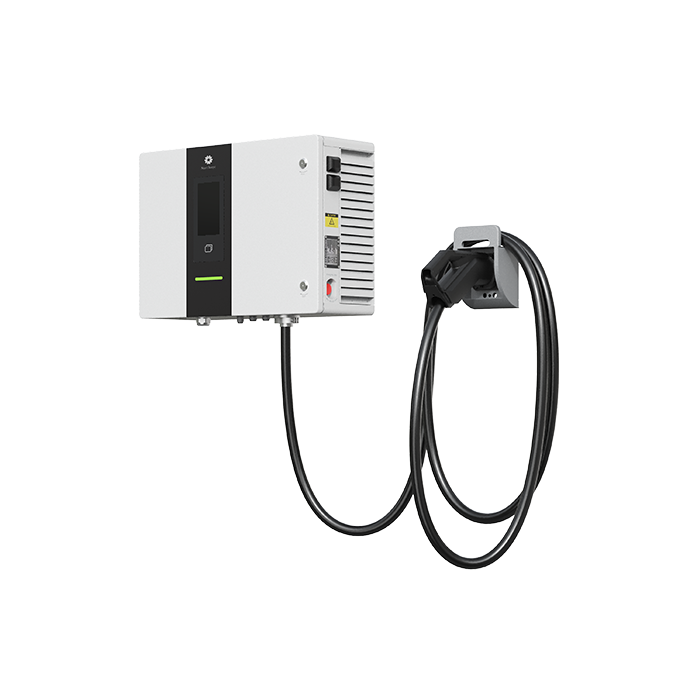
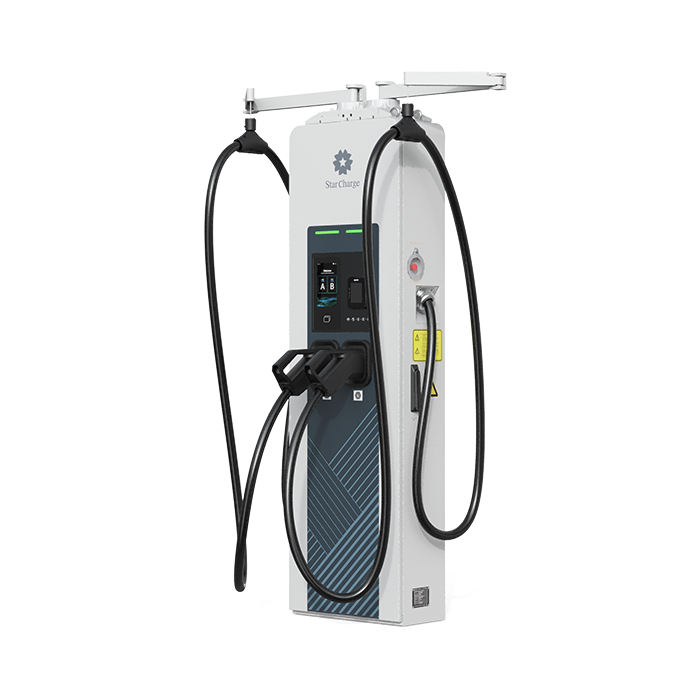
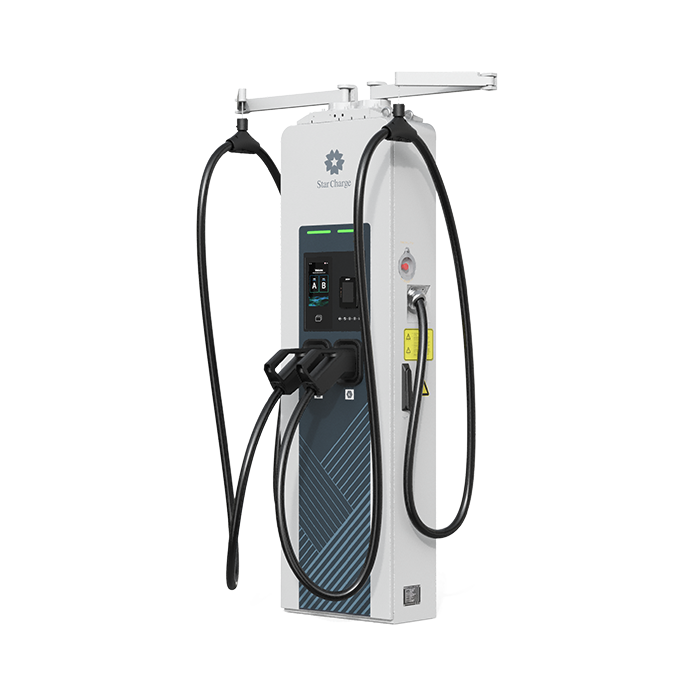
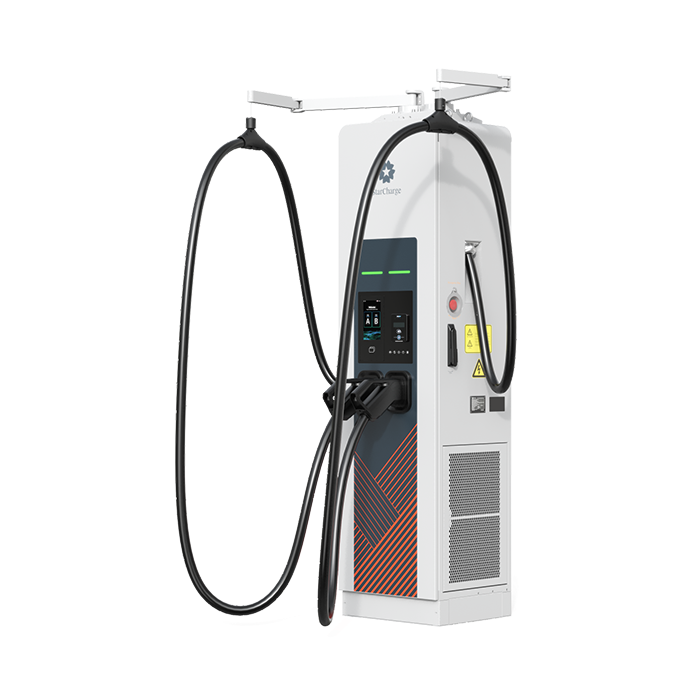
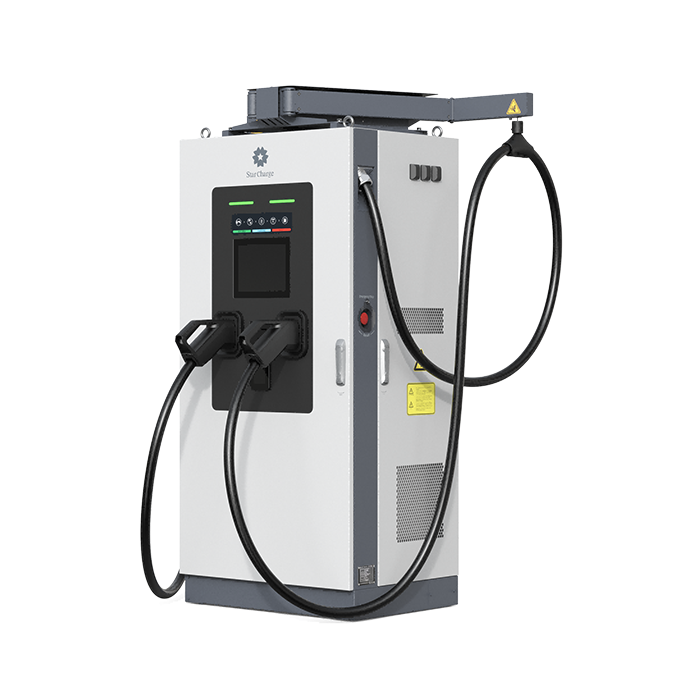
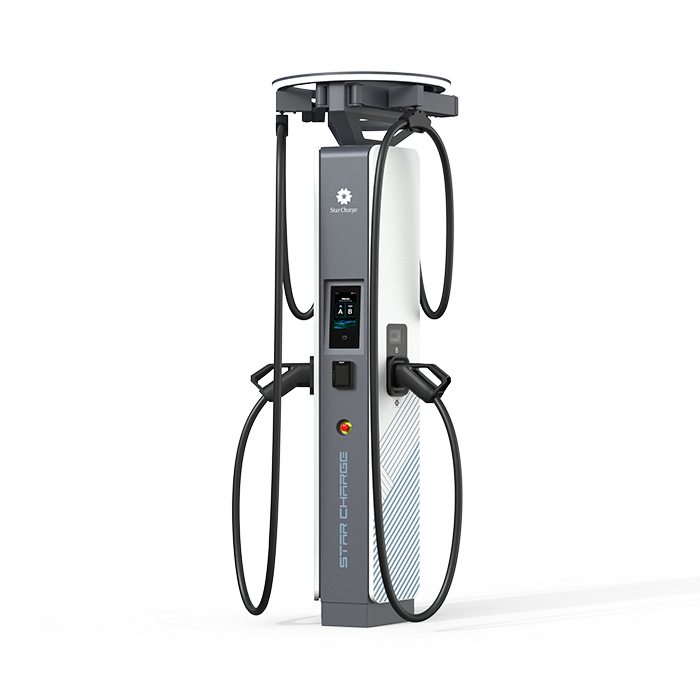
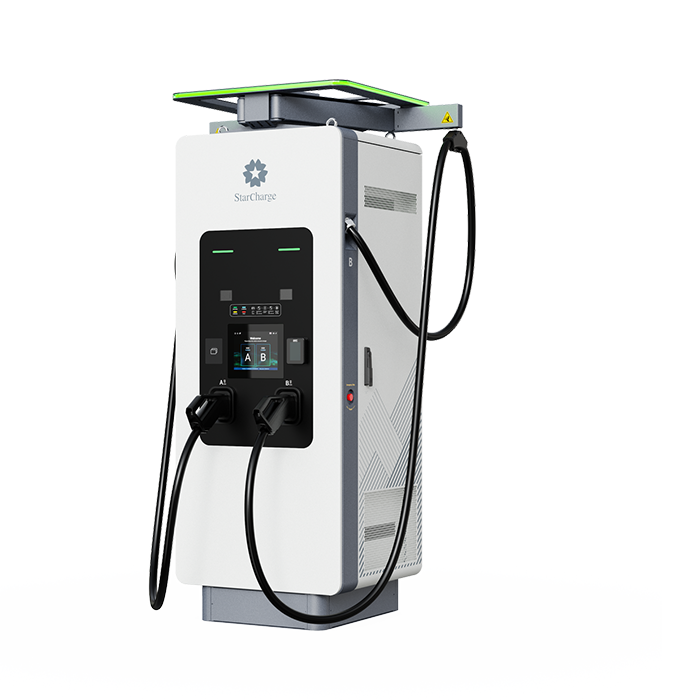
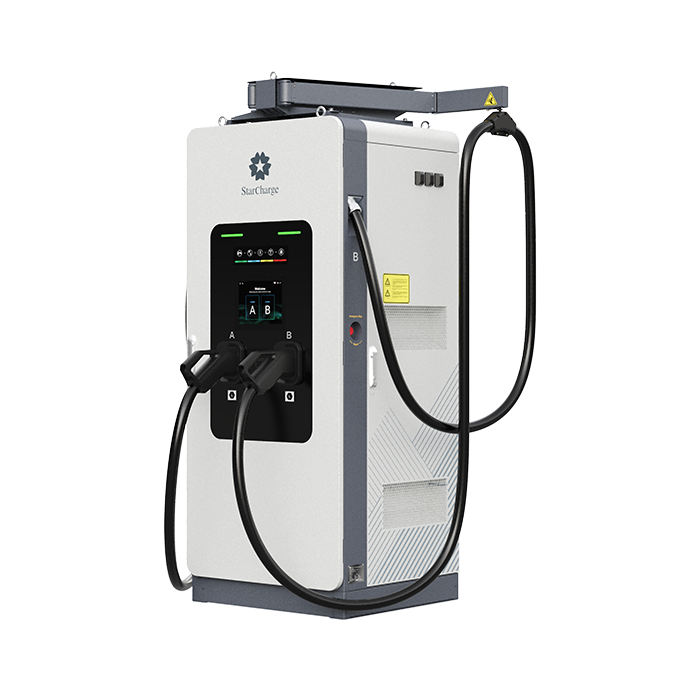
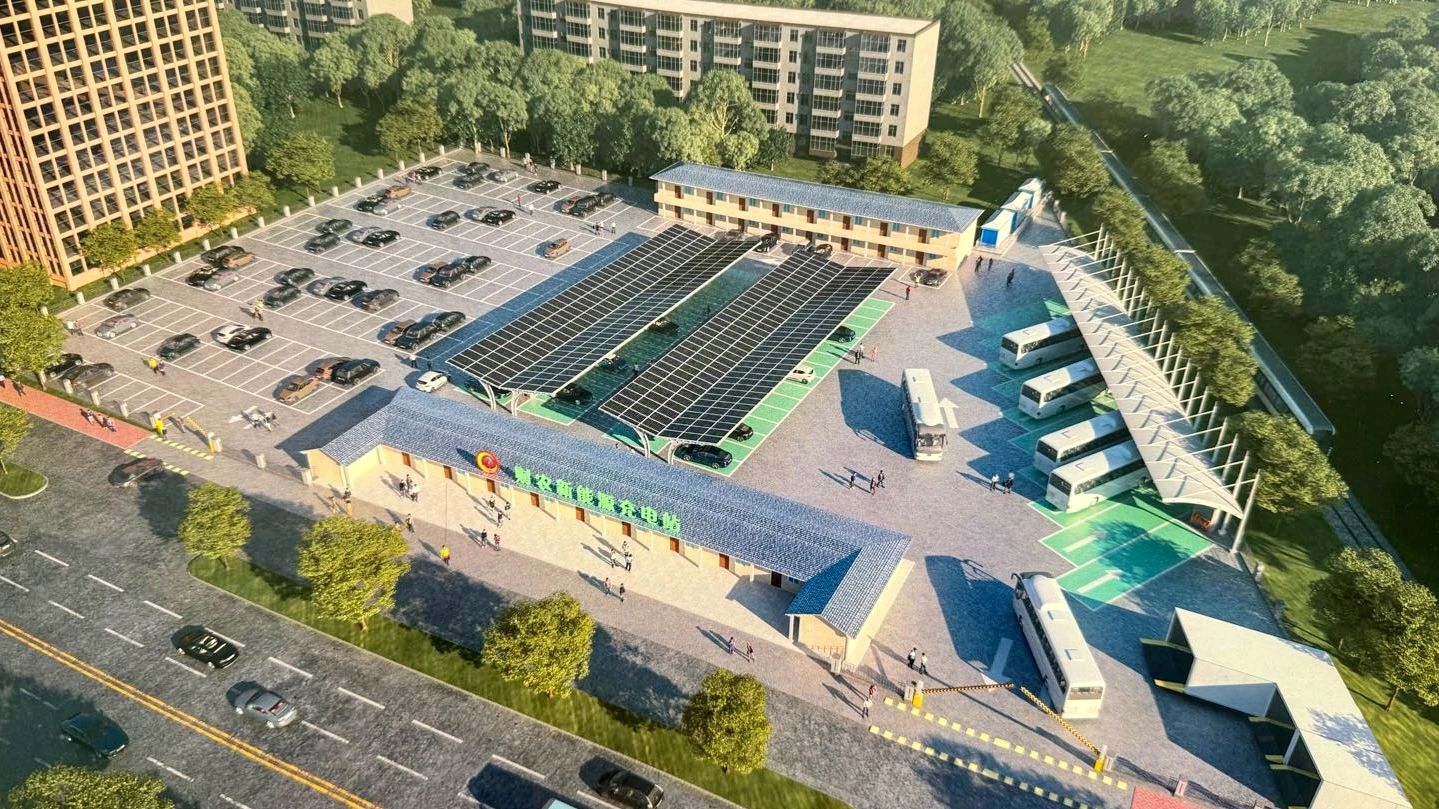
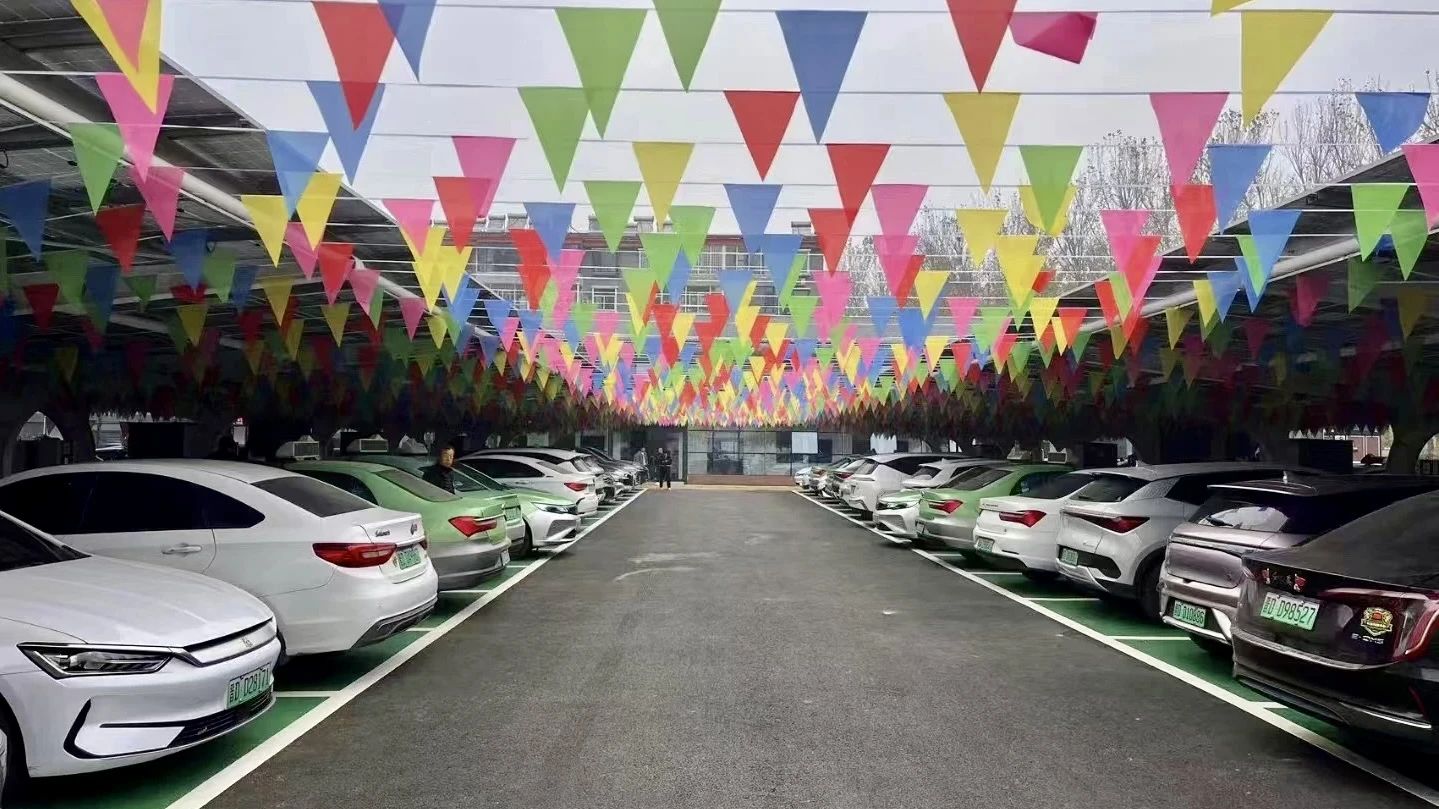
Cainong New Energy Vehicle Charging Station No. 1 (Beishicao Station) is fully functional. In terms of charging spaces, it has 10 charging spaces for large vehicles, each with a single-unit power of 240kW — enough to complete a charging session for a new energy heavy-duty truck or bus in about 40 minutes. There are 64 charging spaces for cars in total, with an average single-unit power of 60kW, including 2 units of 800A liquid-cooled ultra-fast charging terminals specially installed; these terminals are compatible with liquid-cooled ultra-fast charging models, enabling such vehicles to complete charging in about 5-8 minutes. With this configuration, the charging pile equipment can serve more than 500 cars and more than 100 large vehicles daily.


For the PV canopy, the installed power is 220kW, with effective daily generation of about 3-4 hours and output of roughly 500-900 kWh; 90% of the electricity generated can be consumed by vehicle charging, while the remainder can be stored.

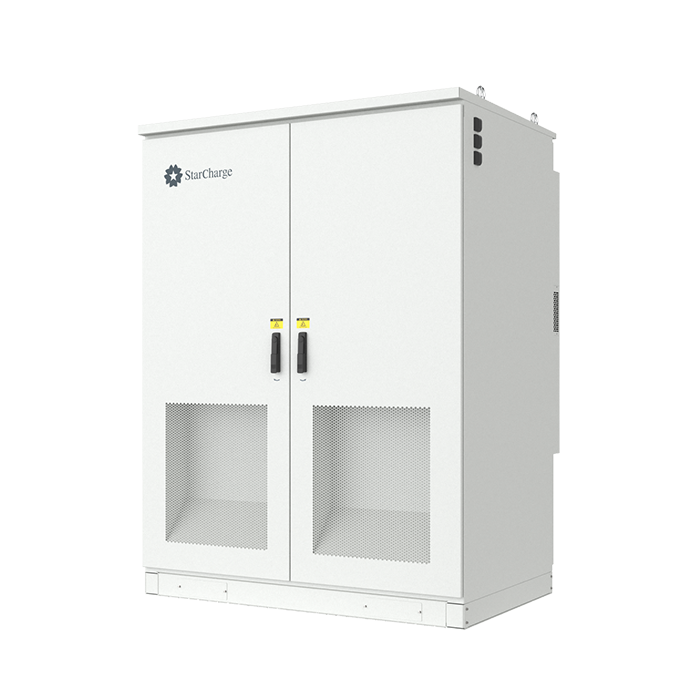
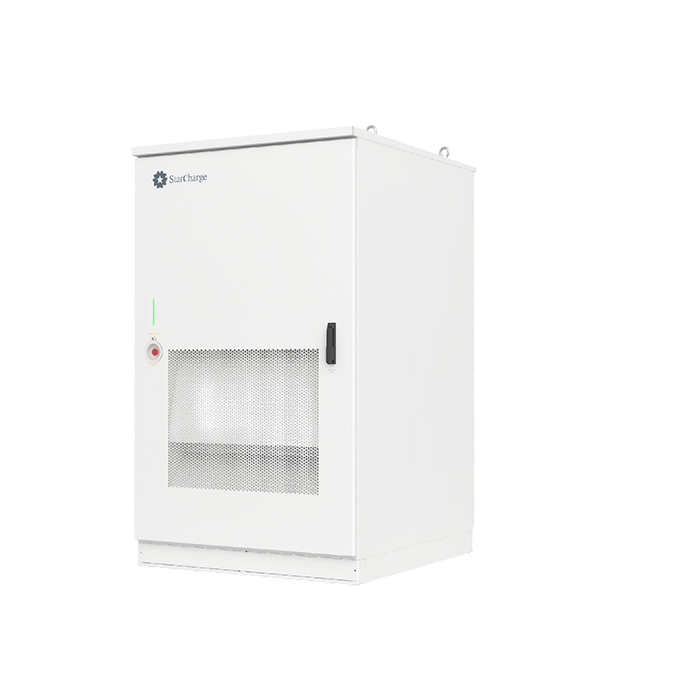
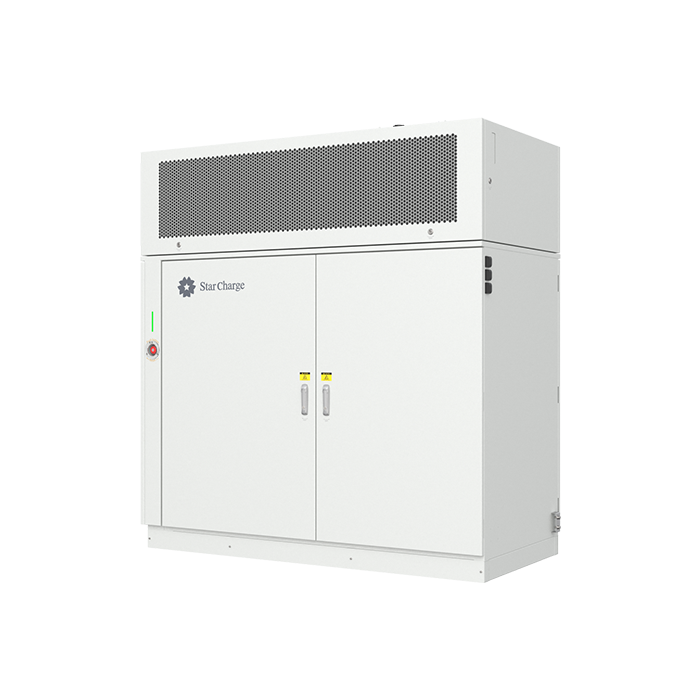
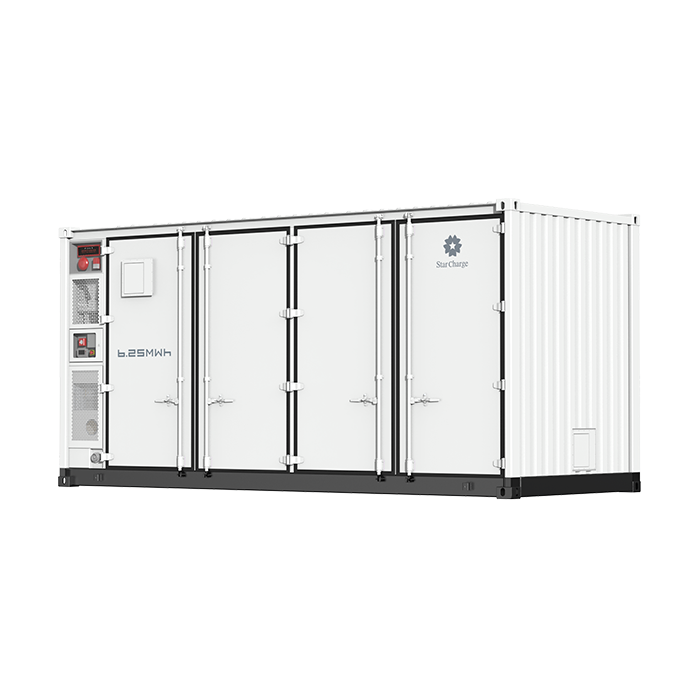
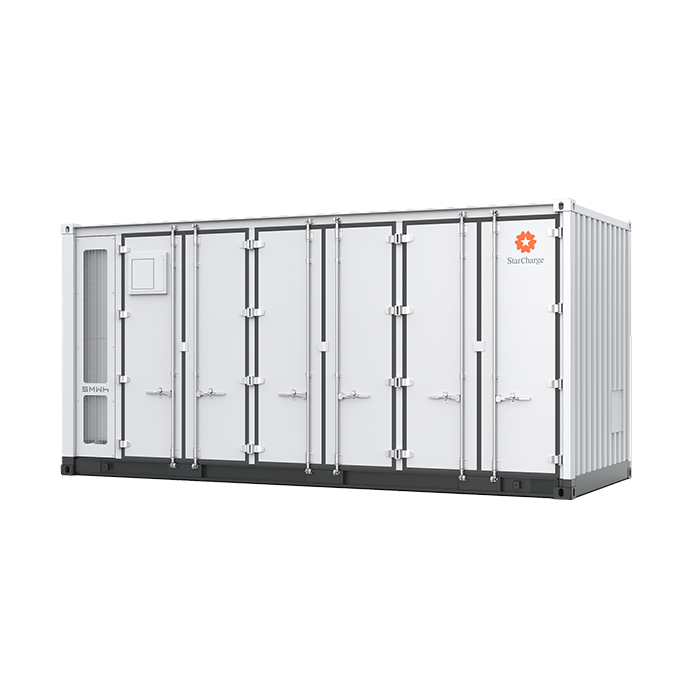
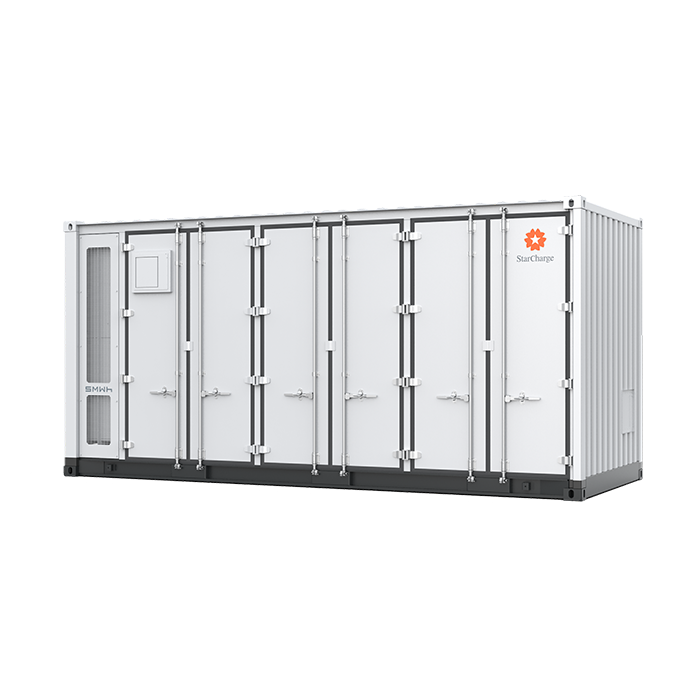
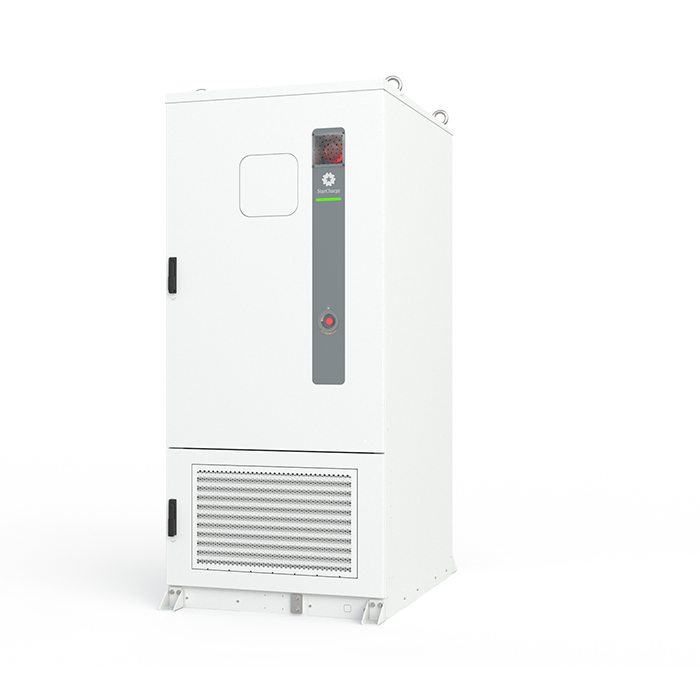
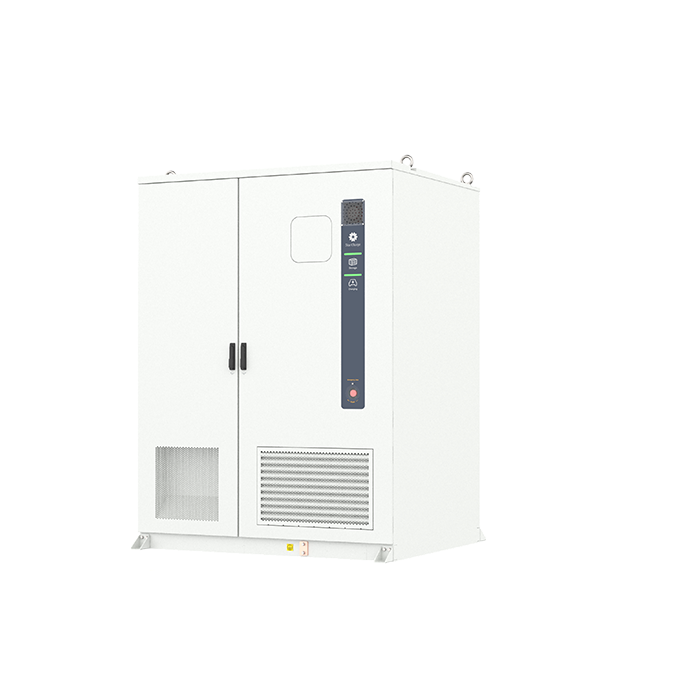
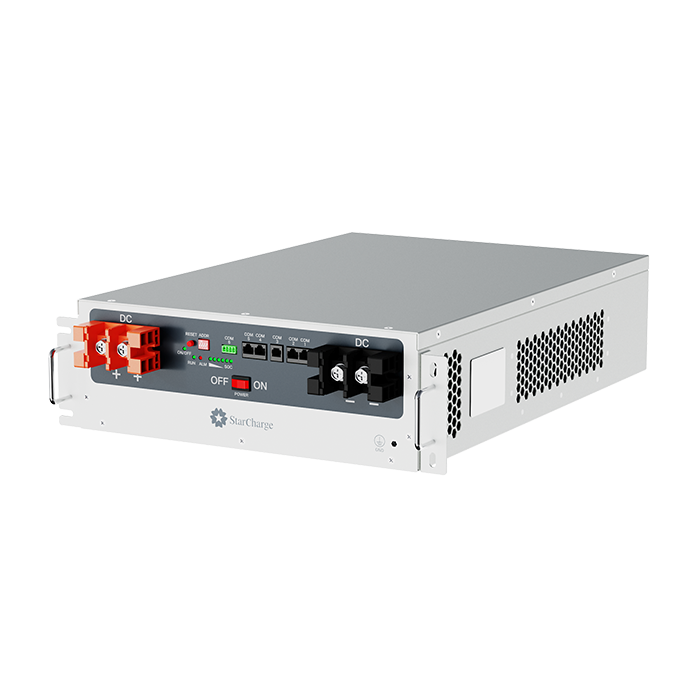
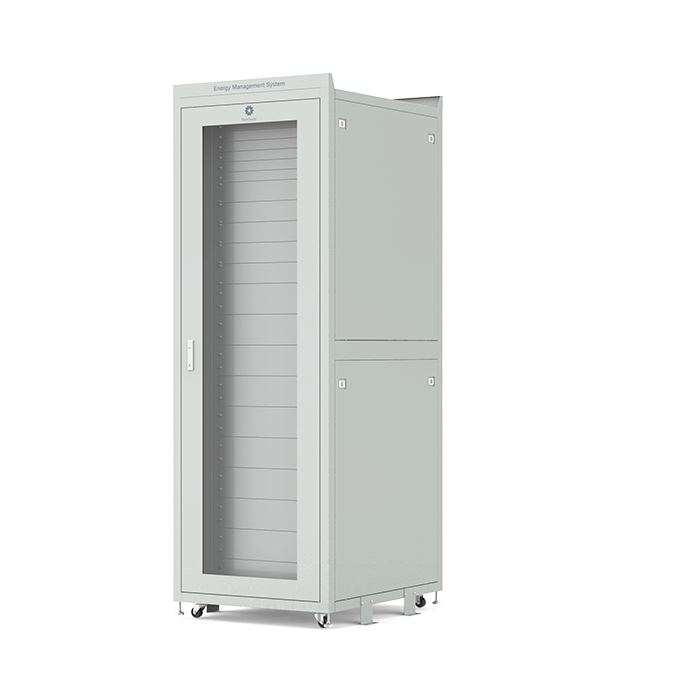
For the energy storage system, the installed capacity is 464kWh. Besides absorbing surplus electricity from the PV canopy, the system can also charge at full capacity during nighttime off-peak price hours and discharge to the station's electricity load during peak price hours, thereby providing the station with low-cost electricity, effectively reducing operating costs, and improving energy utilization efficiency.


The construction of this station is an organic combination of new energy utilization and transportation charging. It not only effectively meets the charging needs of different types of vehicles and improves charging efficiency, but also achieves efficient energy utilization and cost optimization through the coordinated operation of the PV and energy storage systems, providing strong support for the sustainable development of the local new energy transportation industry and setting a fine example for the construction and development of similar projects in the future.

Co-Building the World's Mobile Energy Network Ecosystem