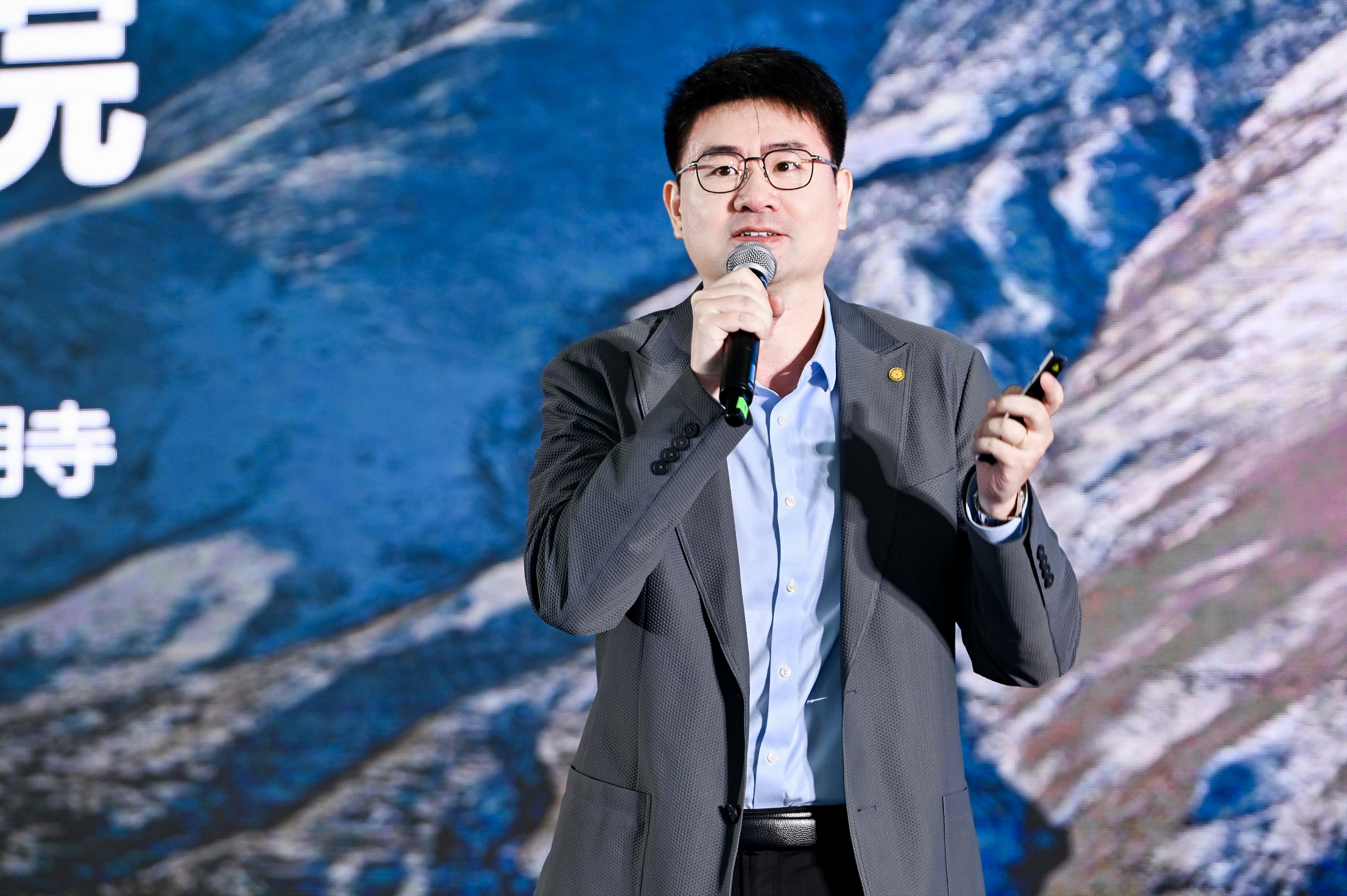
Before the Spring Festival, I made a trip to Tibet. Not for travel this time, but for a project. The original intent of this project was simple: to ensure a reliable power supply for the residents of the plateau region. Power outages there are truly so frequent that people living on the plains can hardly imagine. Later, I realized it is also an excellent case aligned with 'zero-carbon' China. Today, I would like to tell you about this ordinary project —The 'Zero-Carbon Monastery' of Nailang Monastery in Lhasa.
Author: Kong Yankang
01 Building a Microgrid on the Plateau, Keeping Tibetan Residents Powered at All Times
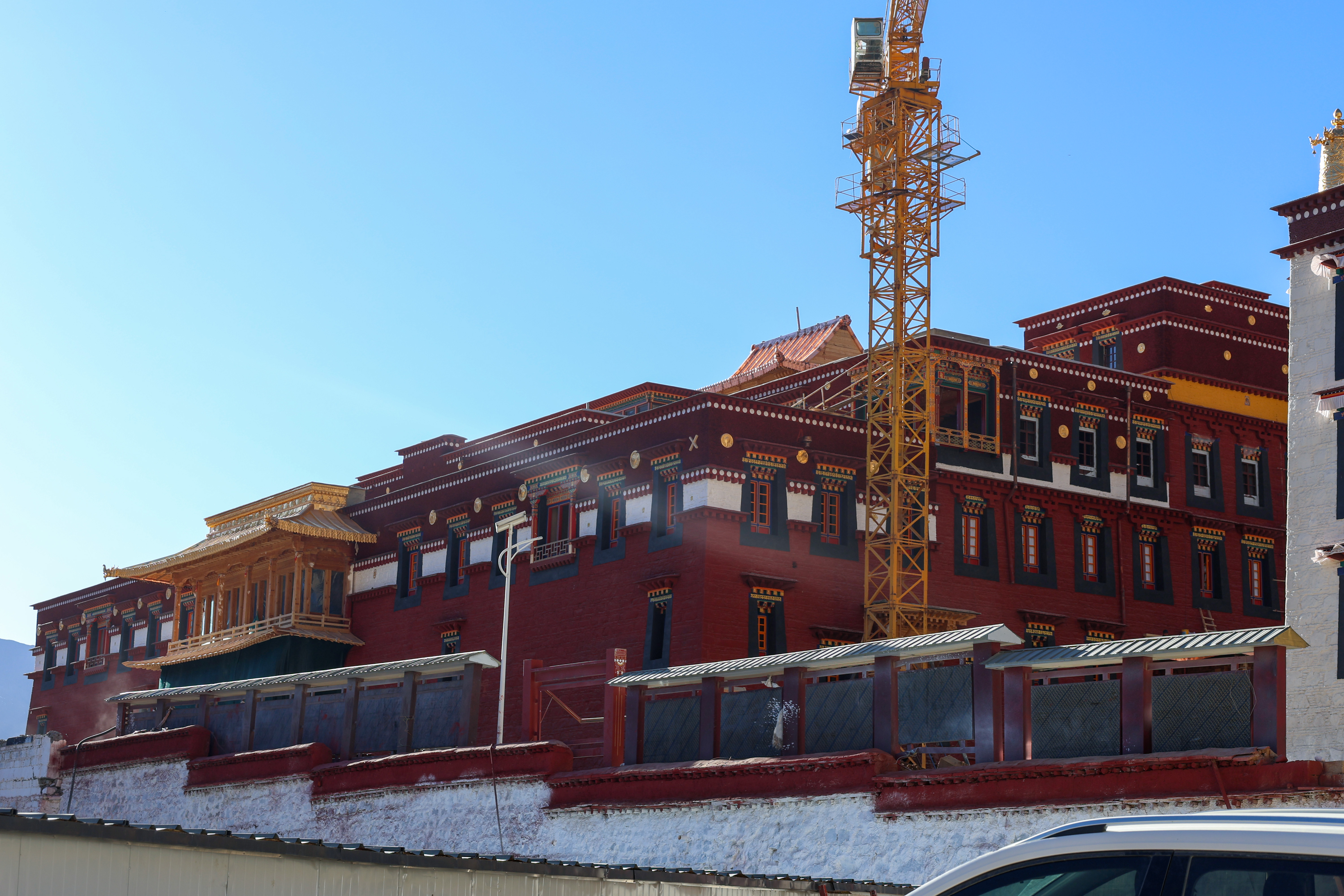
Nailang Monastery sits in Nailang Valley in Gurong Town, Duilongdeqing District, Lhasa, with a history of more than 700 years,at an altitude of 4300 meters. Due to its location on the plateau, Nailang Monastery suffers from inconvenient transportation, extreme temperature differences between morning and evening, and frequently unstable power supply, with no express delivery or food delivery services. As a result, people's basic living needs often go unmet. We thought: why not make full use of the local solar-thermal resources and connect them with StarCharge's power generation, charging and discharging products to meet everyone's daily energy needs.
However, such extreme environmental conditions place higher demands on energy solutions, while also offering us an excellent scenario to test how a microgrid system performs under extreme conditions.
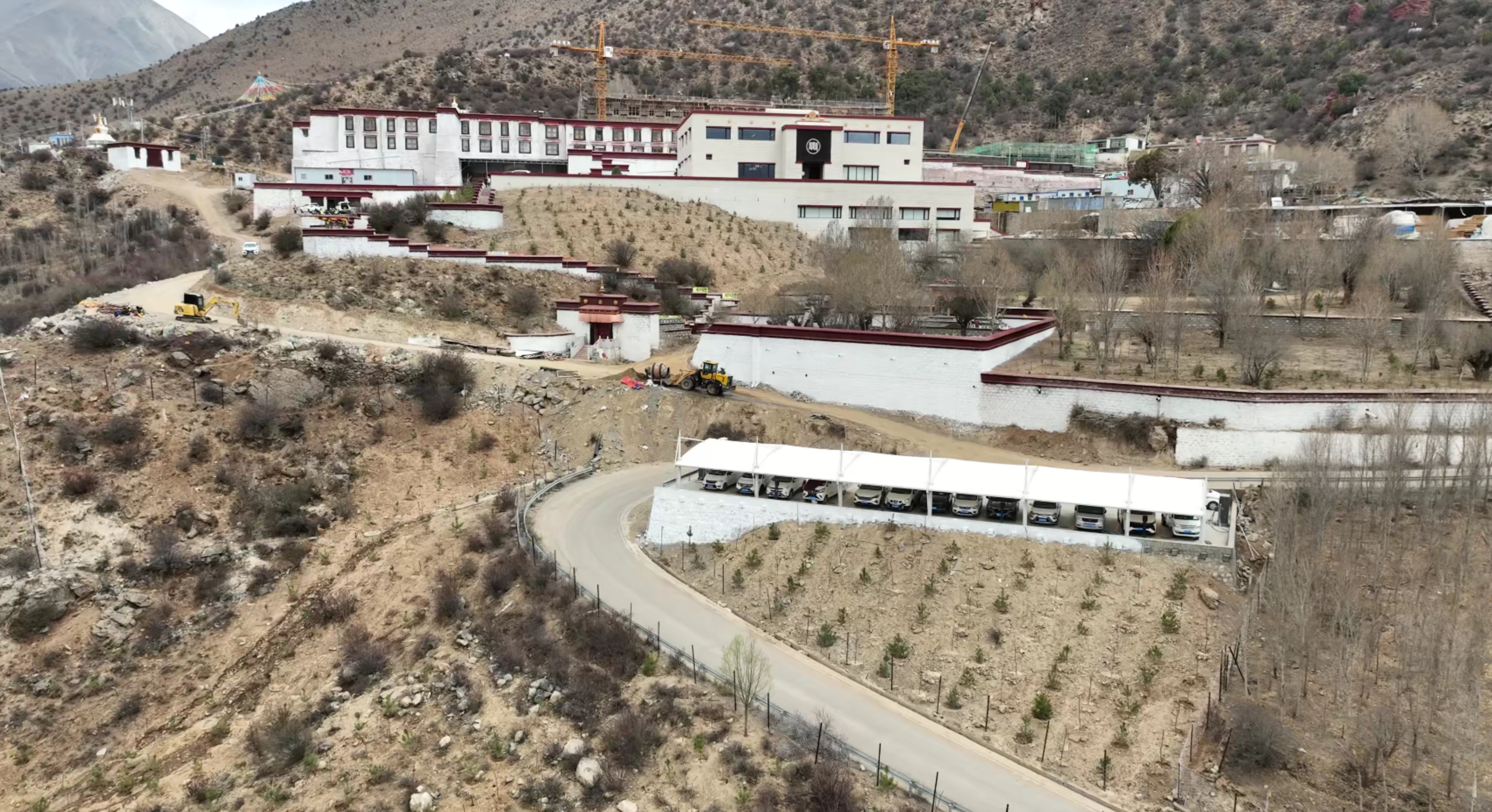
In July 2023, StarCharge's engineers traveled to Nailang Monastery for an on-site survey. Upon arriving in Lhasa, altitude sickness left everyone dizzy and short of breath. On site, we faced unpaved roads and monastery buildings still under construction, with no ready-made infrastructure support. We had to install and commission the equipment under extreme conditions — large temperature swings and thin oxygen made installation and commissioning a real challenge. Yet we treasured these opportunities to be on site, because 'the gods are on-site',The scenario-based microgrid philosophy firmly believes that the best solutions for unique scenarios must be explored at the real site, in the real situation, and among the real things.
02 A Tailored Solution: A Zero-Carbon Monastery Powered by Green Energy
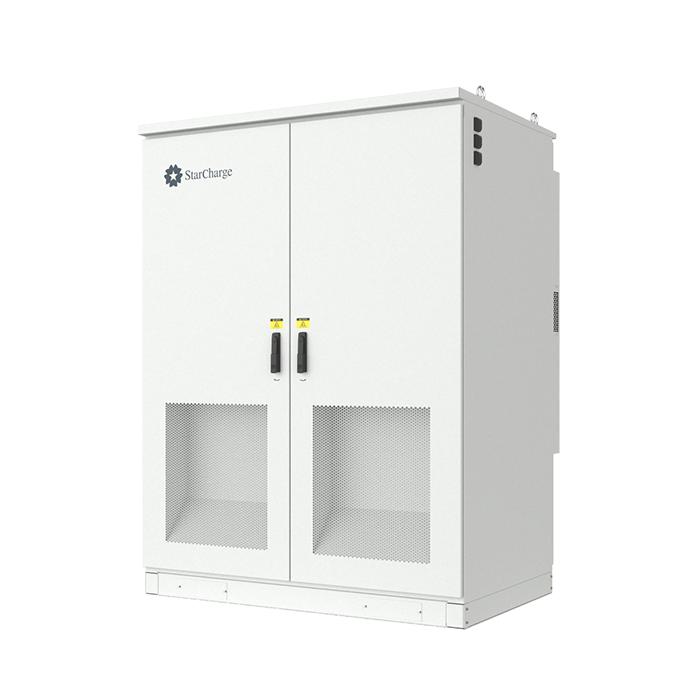
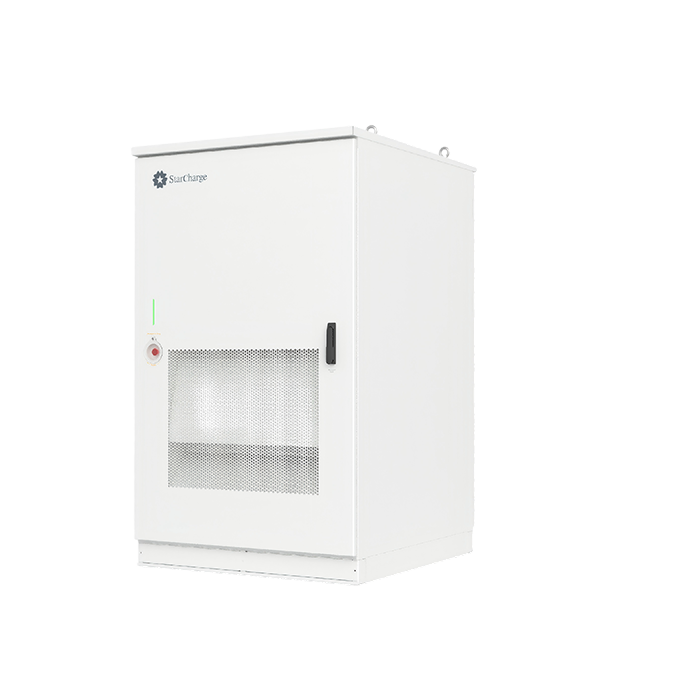
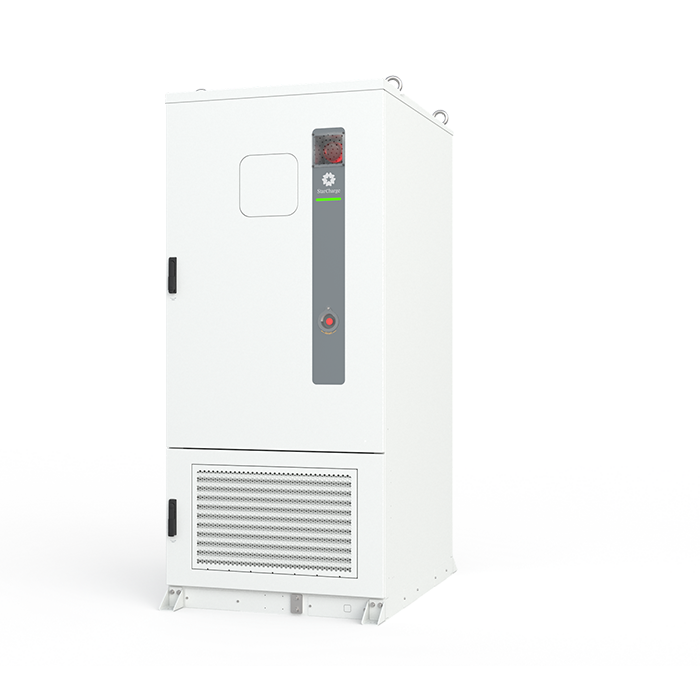
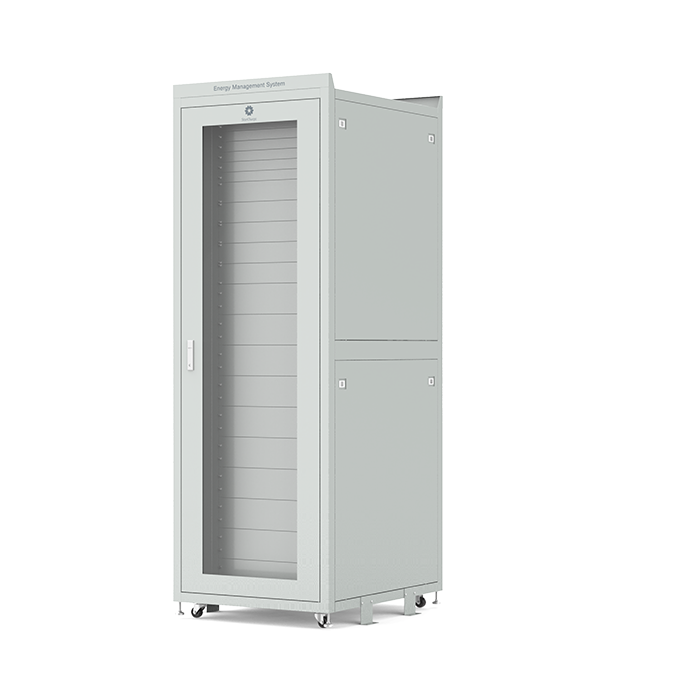
Precisely because we fully embraced the real scenario, we made the decision to optimize the plan on site. Taking into account Lhasa's abundant solar resources and the monastery's electricity needs, we upgraded the initial plan of 60KW/120KWh energy storage to a 100KW/232KWh energy storage system. After a series of detailed demonstrations and precise calculations, we finally decided to adopt five EBOX-232 energy storage cabinets independently developed by StarCharge, configured in off-grid mode.
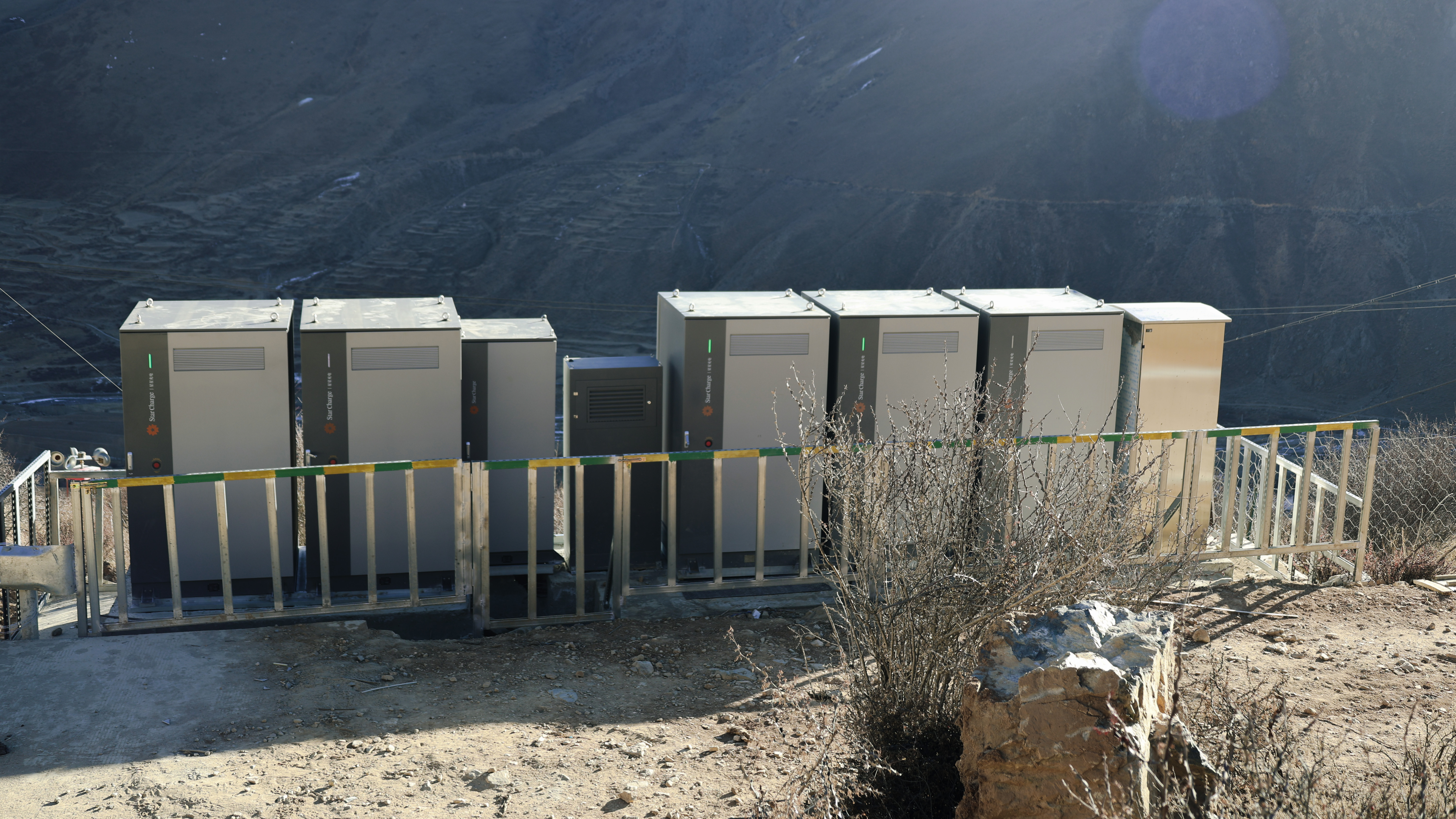
This decision greatly improved the system's stability and reliability. Last December, all the equipment set foot on the snowy plateau for the first time and the installation was completed.
Our O&M team persevered in the-20°Cenvironment, completing the initial commissioning of the equipment and achieving stable operation of the PV-storage-charging coordinated monastery scenario-based microgrid system. This commissioning was a test not only of the equipment but also of every one of our engineers: we embraced the bitter cold, embraced the thin oxygen, and ultimately embraced the realization of the scenario-based microgrid solution.
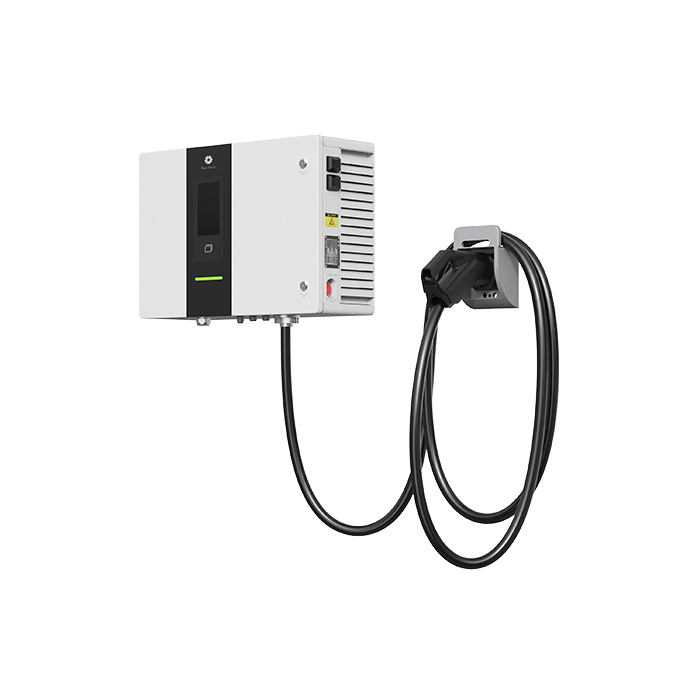
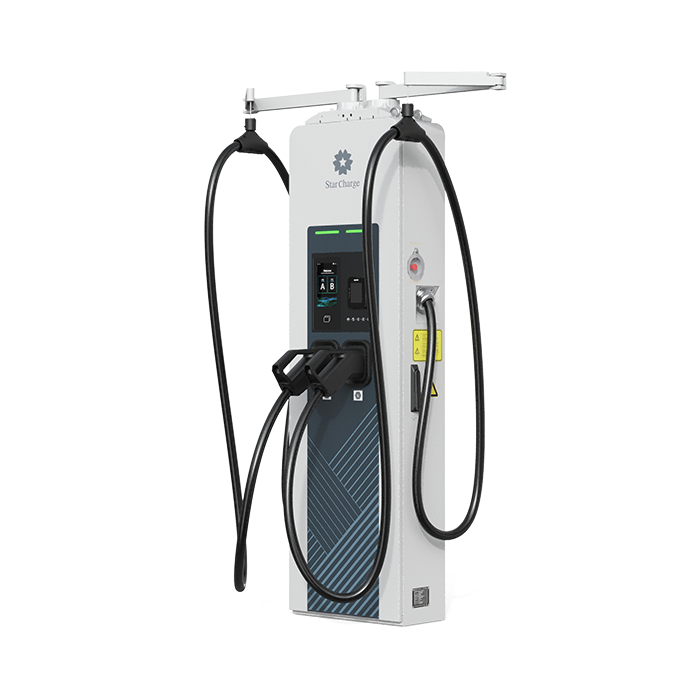
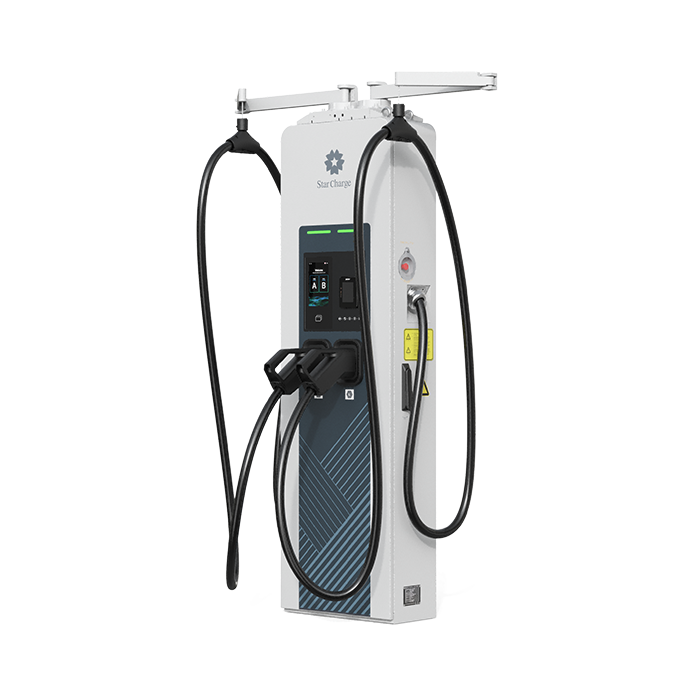
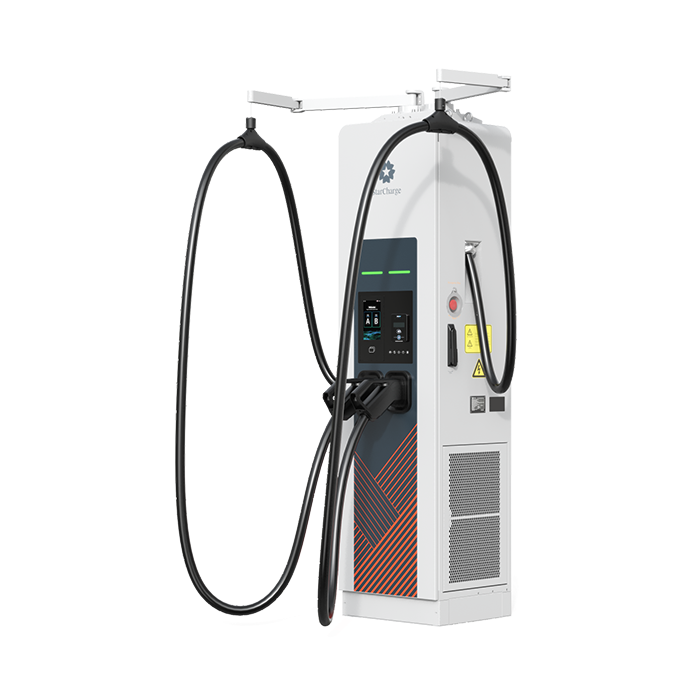
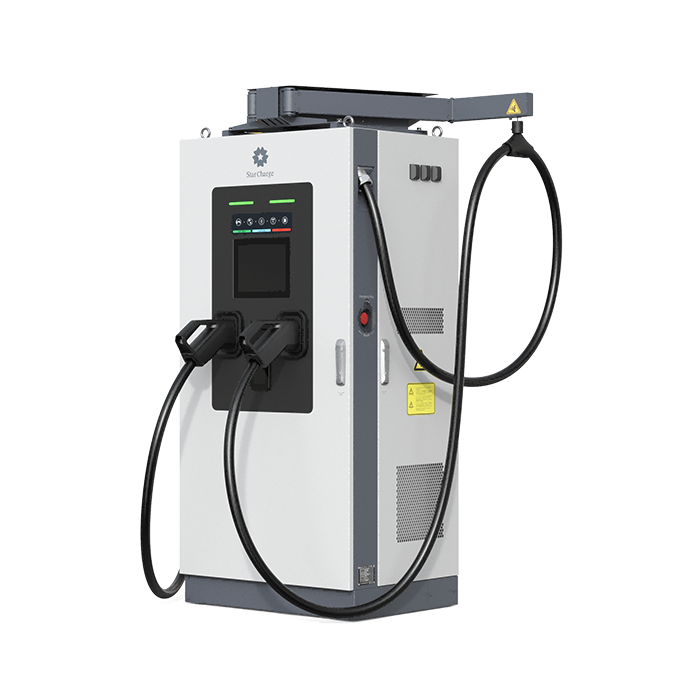
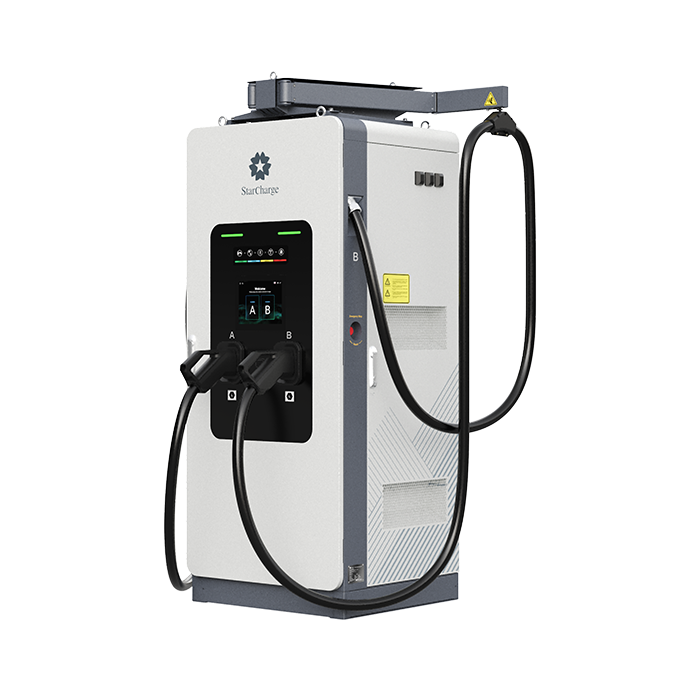
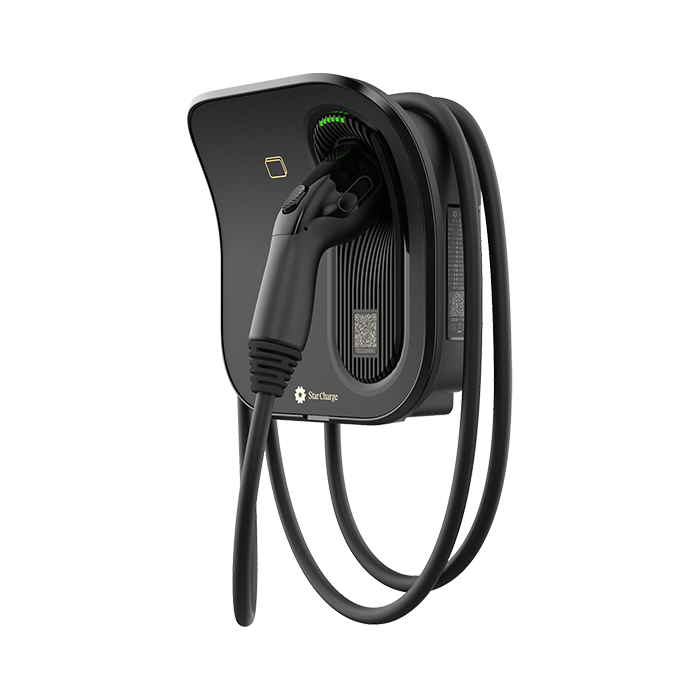
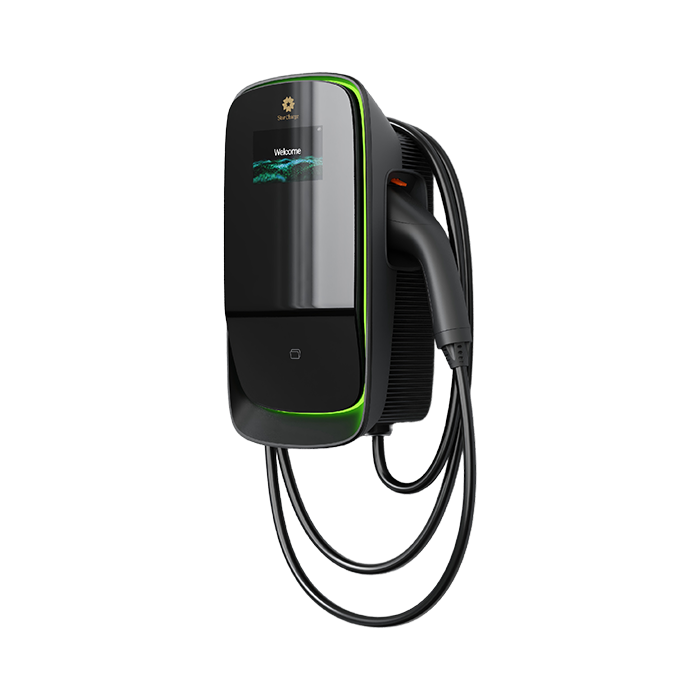
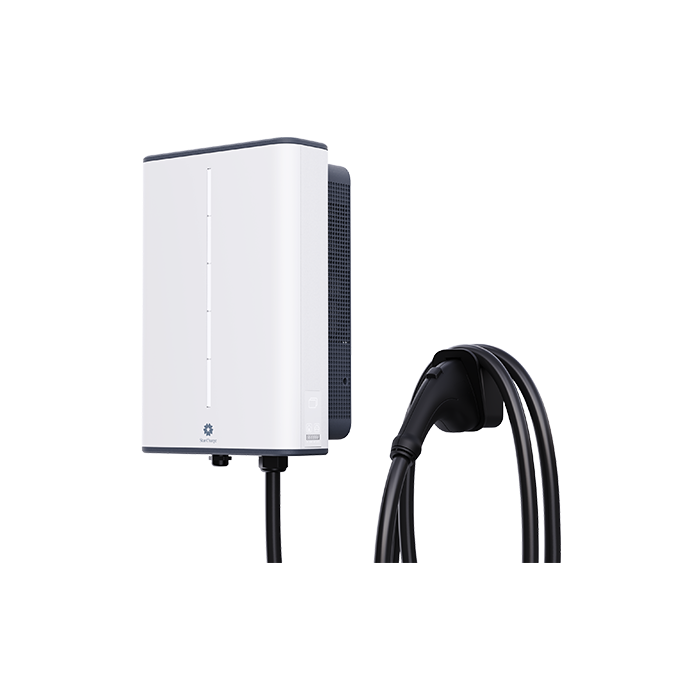
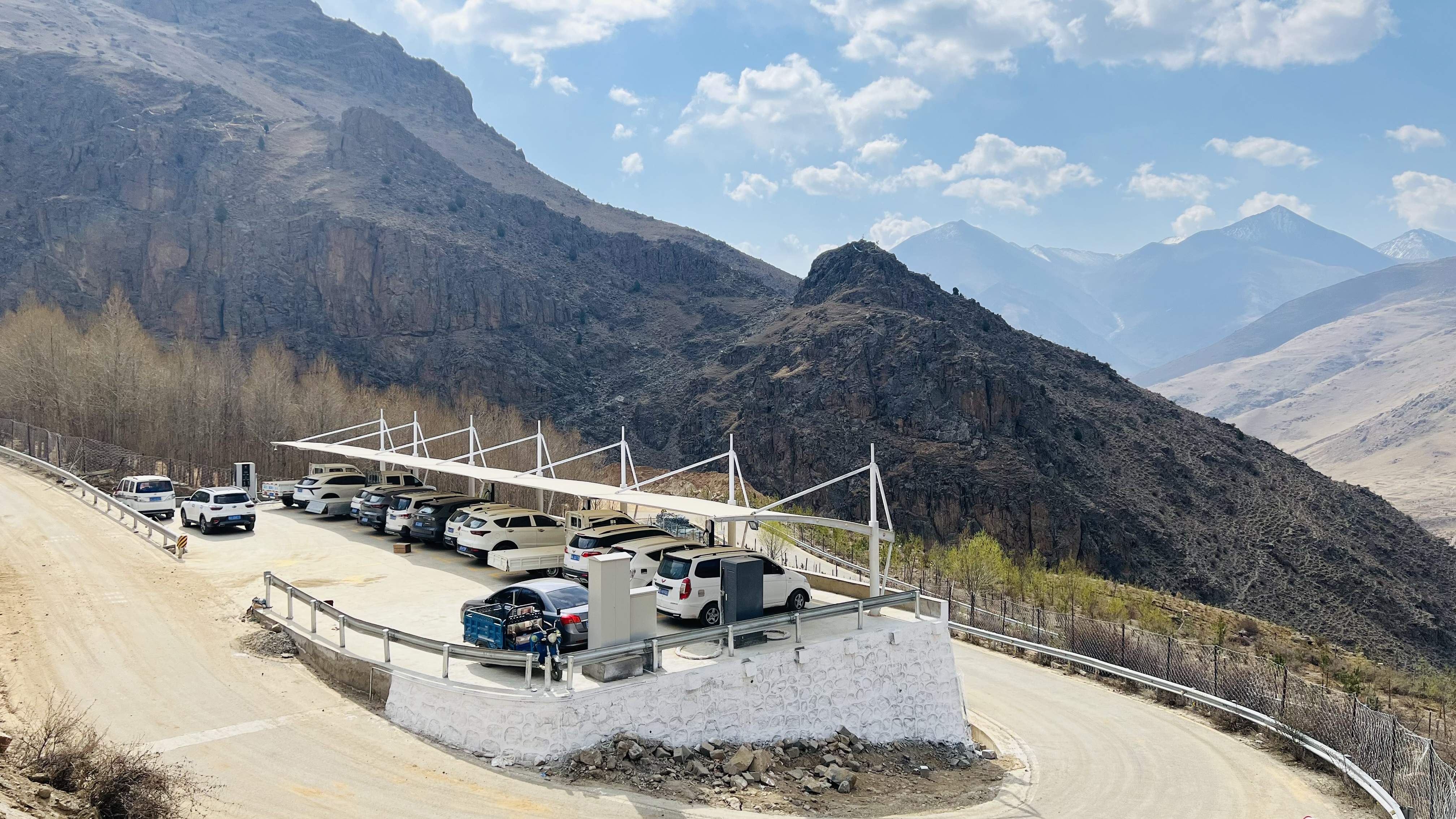
We successfully deployed a 500KW PV system at Nailang Monastery, equipped with five EBOX-232 energy storage cabinets, two 120KW DC charging piles and four 7KW AC charging piles. Through the scenario-based microgrid, this system design achieves energy self-sufficiency. During the day, our microgrid system is powered by PV generation, and surplus electricity generated by the PV system is stored in the energy storage system. At night, or when PV generation is insufficient, the storage system releases the stored electricity to ensure the monastery's power needs are met. More importantly, our energy storage system has off-grid capability: when a power outage occurs, the storage system can automatically switch to off-grid mode and continue supplying power to the monastery. Since commissioning was completed in March this year, Nailang Monastery has successfully weathered 4 to 5 power outages each month, with the longest single off-grid support lasting 132 hours. In this extreme high-altitude environment, the off-grid function has provided a solid energy guarantee for the monastery's normal operation.
03 'Dual Carbon' Goals: Let Us Extend Microgrids to the Stars and the Sea
The 'zero-carbon monastery' project at Nailang Monastery is not only a technological breakthrough, but also a profound commitment to environmental protection and cultural preservation. Through this project, we have demonstrated how scenario-based microgrids can work in extreme environments, while setting an important benchmark for ecological protection on the snowy plateau. As cores of humanity and culture in the Tibet Autonomous Region, monasteries in the new era are not only spiritual anchors, but also important forces for ecological protection.
During the implementation of the project, we focused not only on technical realization, but even more on how to integrate the green energy philosophy into the monastery's daily operations. Through this project, we hope to convey a positive and uplifting zero-carbon message —respect nature, cherish resources, and pursue harmony.
Going forward, we will continue our efforts to extend this experience to more scenarios, providing a reference for green energy solutions in other regions. We believe that through continuous technological innovation and practical exploration, scenario-based microgrids will play an increasingly important role worldwide and contribute to the achievement of sustainable development goals.