


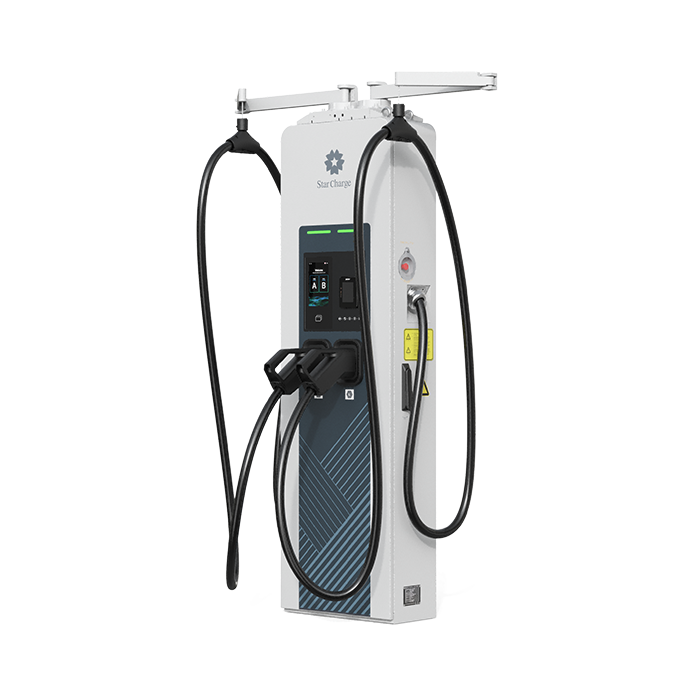
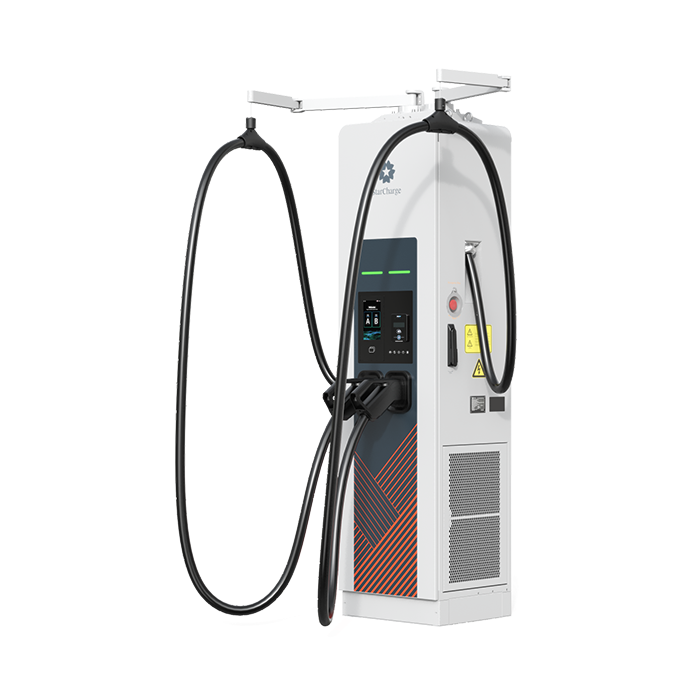
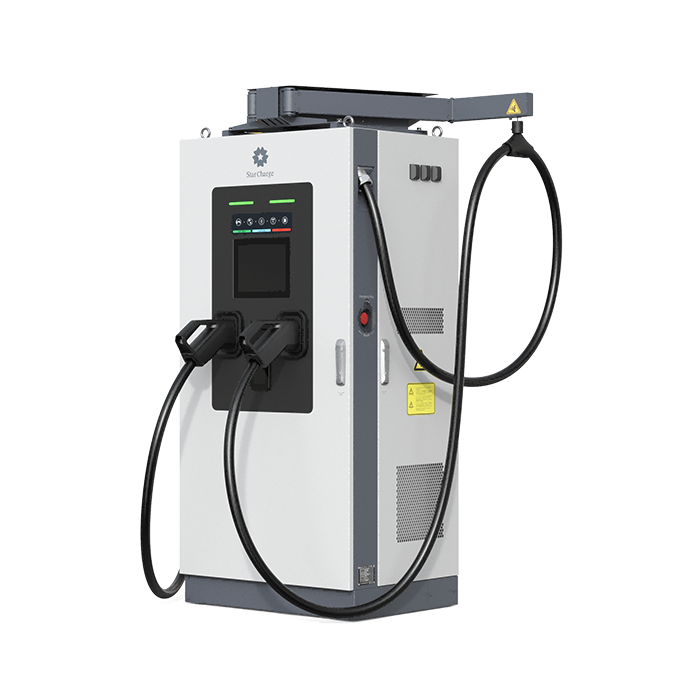
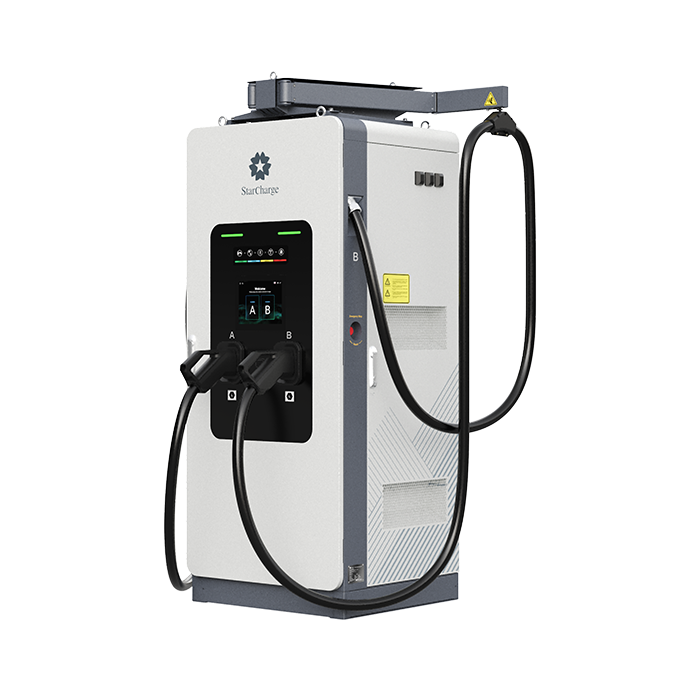



Transportation Energy Microgrid
Transportation energy facilities—including EV charging hubs, heavy-duty truck charging stations, logistics depots and highway service areas—often experience high and fluctuating power demand. Concentrated high-power charging can exceed existing transformer capacity, increase peak electricity costs and require expensive grid reinforcement.
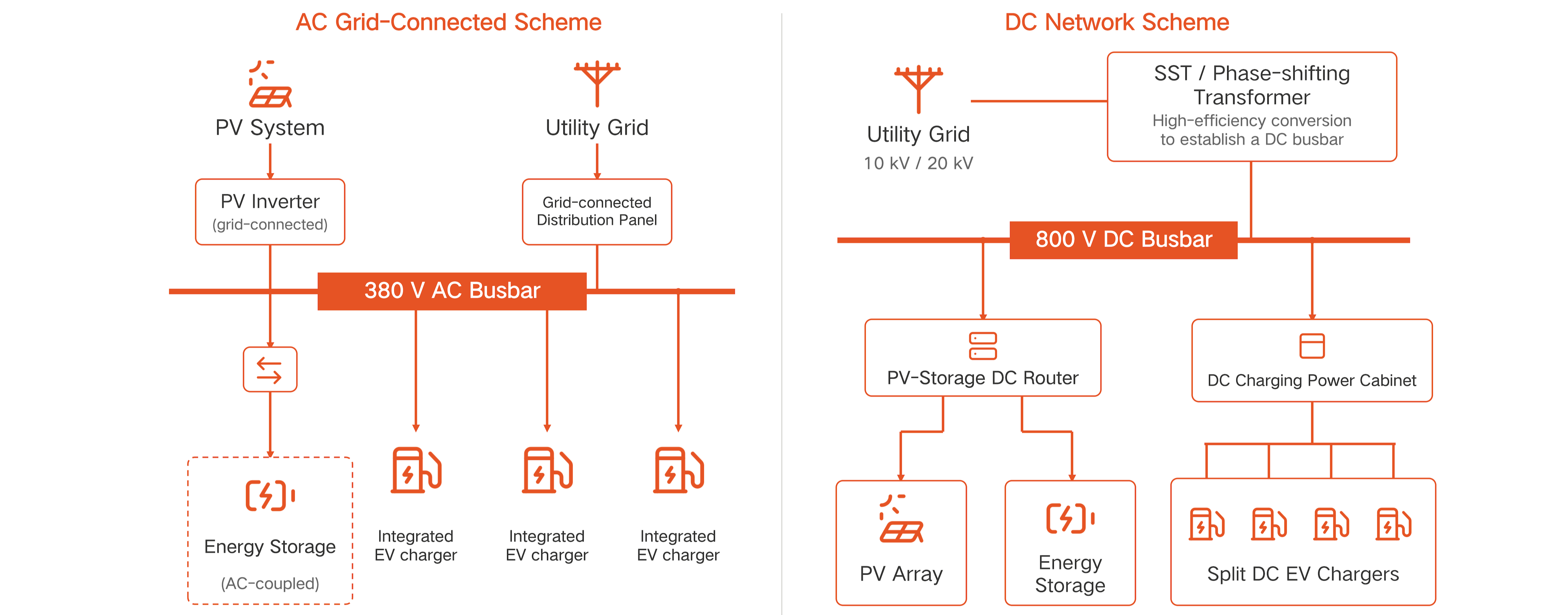
A transportation energy microgrid integrates the utility grid, energy storage, renewable generation, charging equipment and intelligent energy management. Through coordinated storage and charging operation, it provides flexible capacity support, reduces peak demand and improves the utilization of renewable energy, helping charging facilities expand service capacity while controlling infrastructure and operating costs.
Advantages of the Plan

-
Flexible Capacity Expansion
Energy storage supplements grid power during periods of concentrated charging demand, helping increase charging capacity without relying solely on transformer expansion.
-
High-Power Charging Support
Coordinates grid and storage capacity to support simultaneous or high-power charging and reduce the impact of charging peaks on the local distribution network.
-
Lower Operating Costs
Uses peak shaving, load shifting and time-of-use electricity price management to control demand charges and electricity purchasing costs.
-
Integrated Renewable Charging
Coordinates photovoltaic generation, energy storage and charging loads to increase the proportion of renewable energy used for transportation.
Electrical Diagram
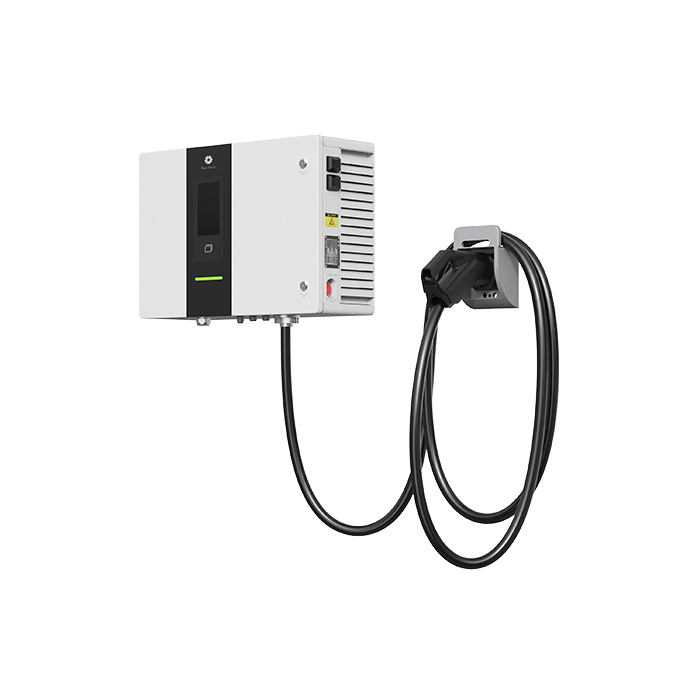
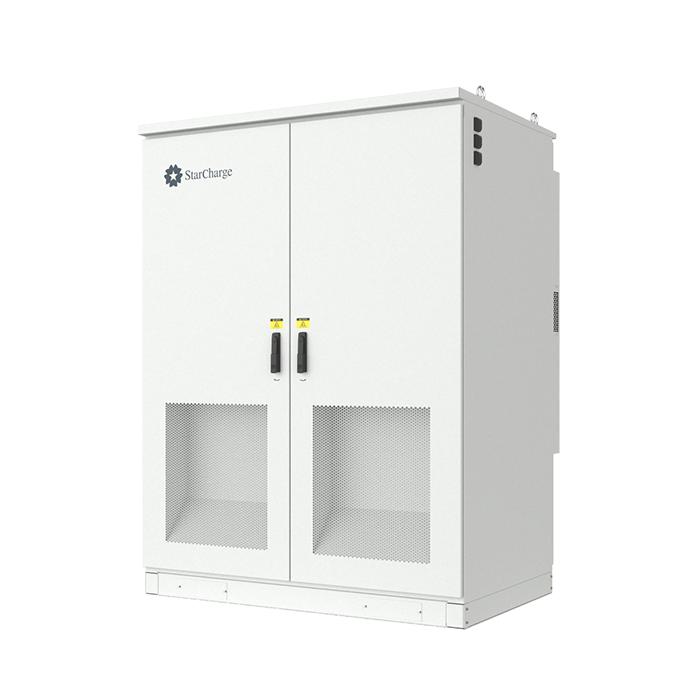
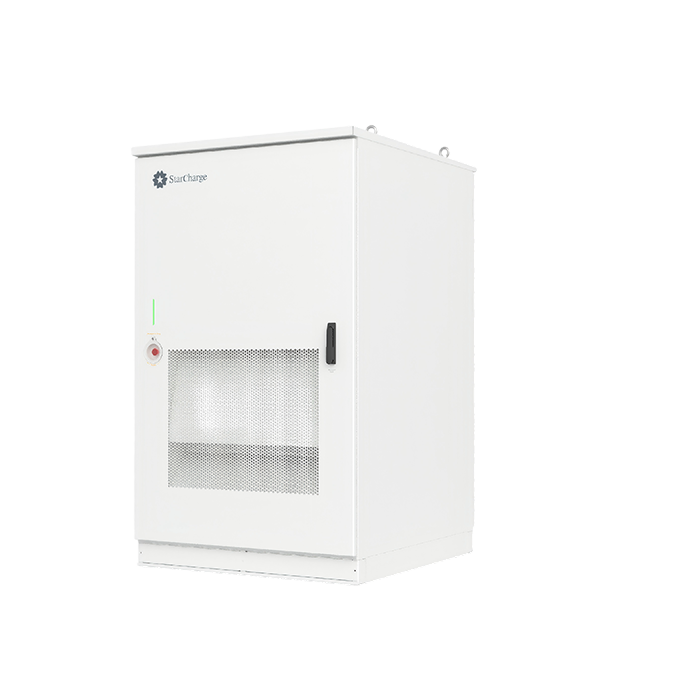
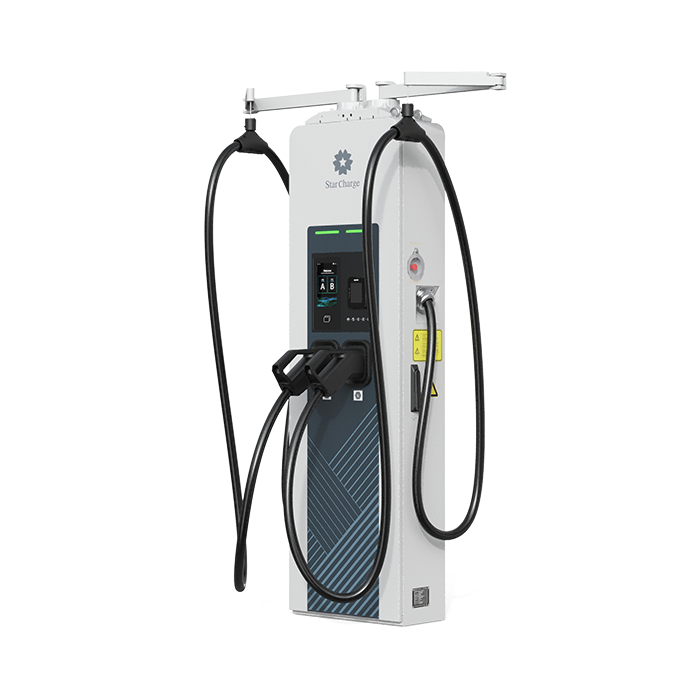
Related Products

FAQ
-
Does zero PV generation in continuous rainy weather impact system operation?

