




Distribution Network Edge Microgrid
Areas located at the edge of the distribution network often face limited grid capacity, long power supply distances, voltage fluctuations and increasing demand from distributed renewable energy and new electrical loads.
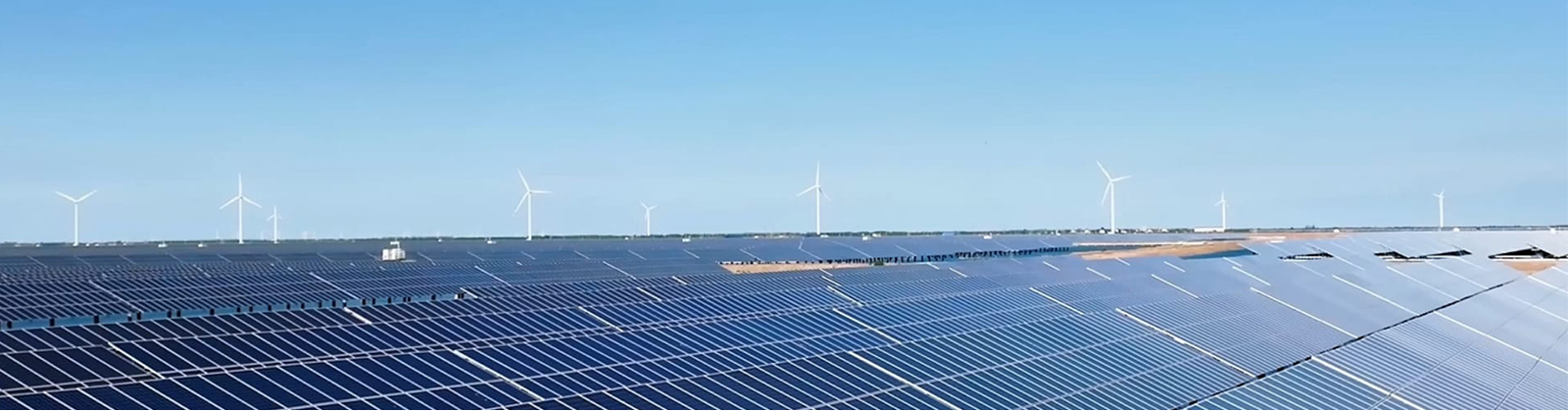
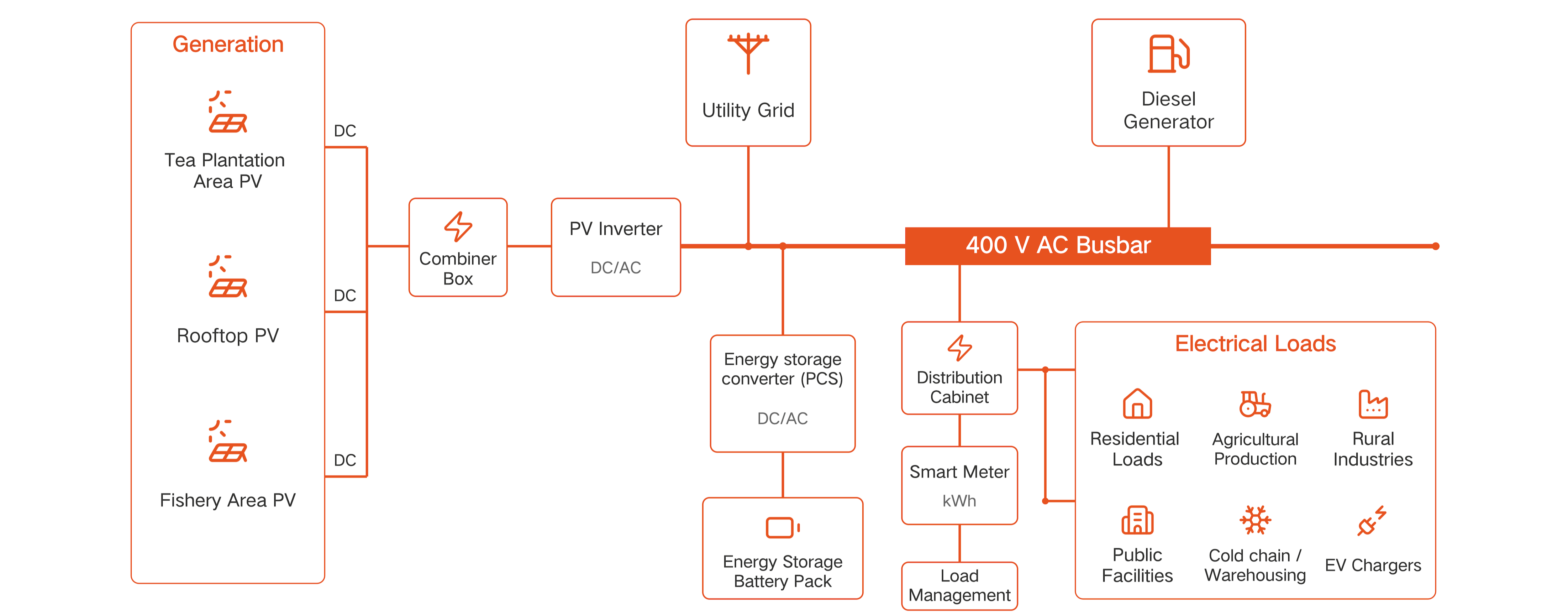
By integrating energy storage, distributed generation and intelligent energy management, the microgrid balances local power generation and consumption, reduces peak demand on feeders and transformers, and improves the hosting capacity of the existing distribution network. It also supports greater on-site utilization of renewable energy and enhances power supply reliability without relying solely on conventional grid reinforcement.
Advantages of the Plan
-
Increased Grid Hosting Capacity
Reduces peak demand on feeders and transformers, enabling the existing distribution network to accommodate additional loads and distributed energy resources.
-
Improved Power Supply Stability
Supports local power balancing and voltage regulation, helping reduce the impact of weak-grid conditions and load fluctuations.
-
Greater Renewable Energy Integration
Stores surplus renewable energy and releases it when needed, improving local consumption and reducing renewable energy curtailment.
-
Reduced Reinforcement Pressure
Peak shaving and local energy balancing can defer or reduce the need for conventional transformer and feeder upgrades, subject to project assessment.
Electrical Diagram
Related Products

FAQ
-
Can the station operational data be interconnected? Is integration available with the customer’s own charging operation platform?

