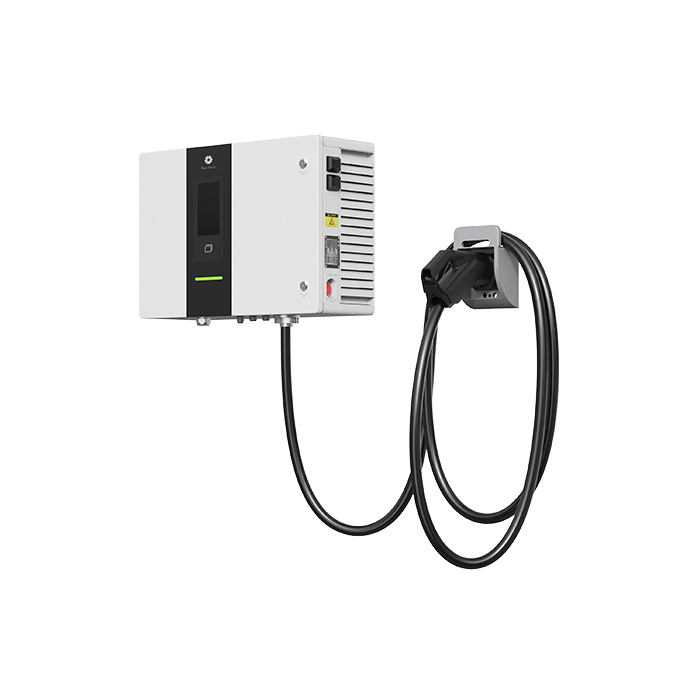
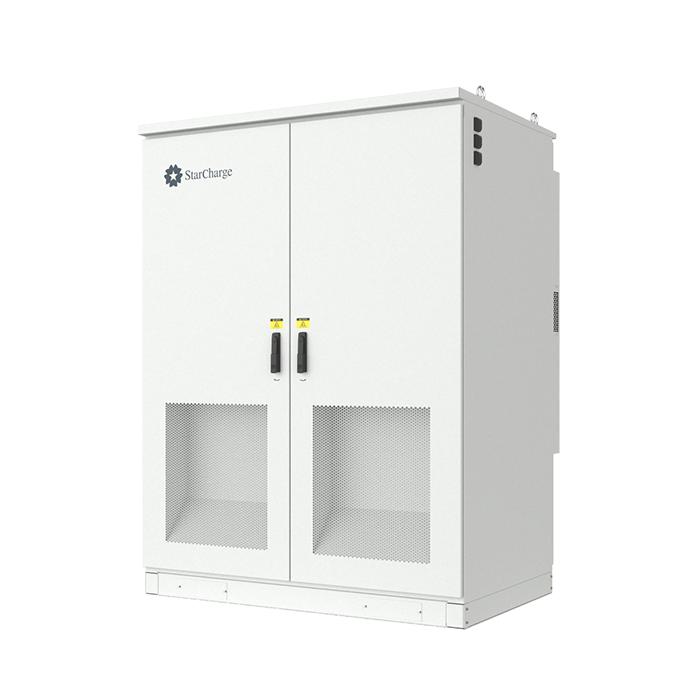
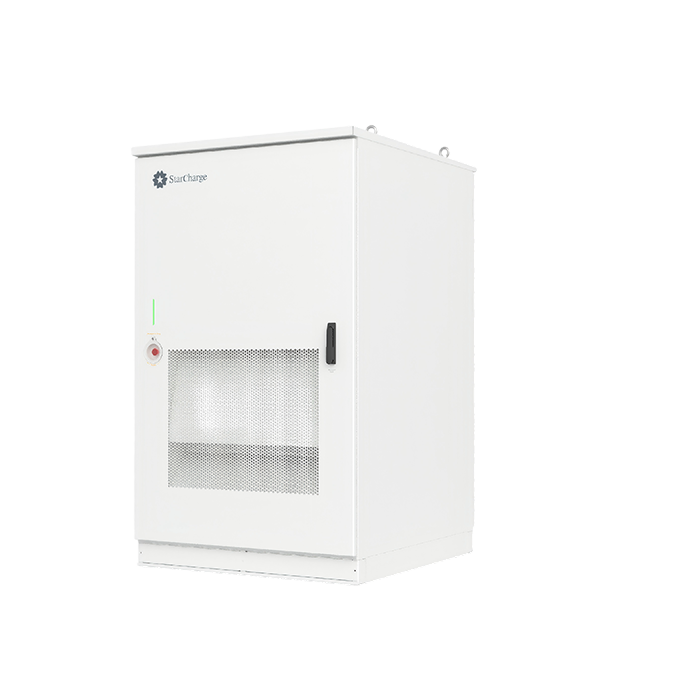
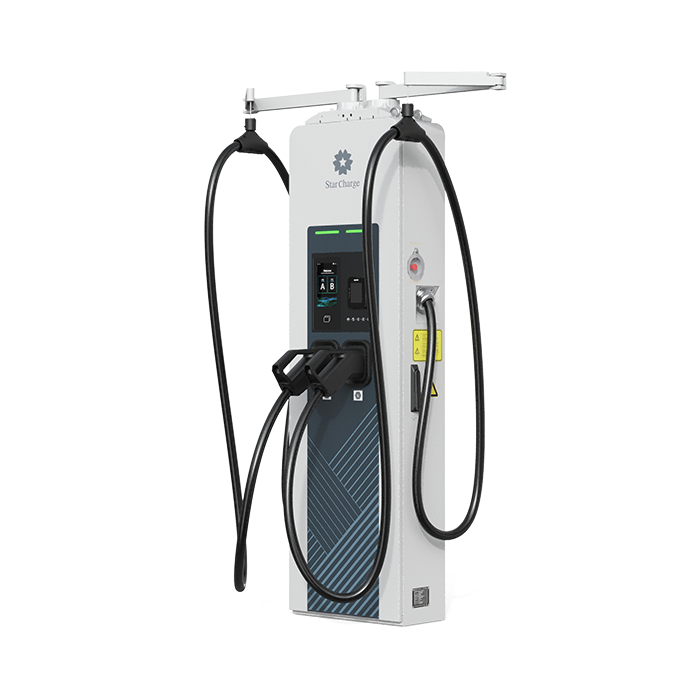
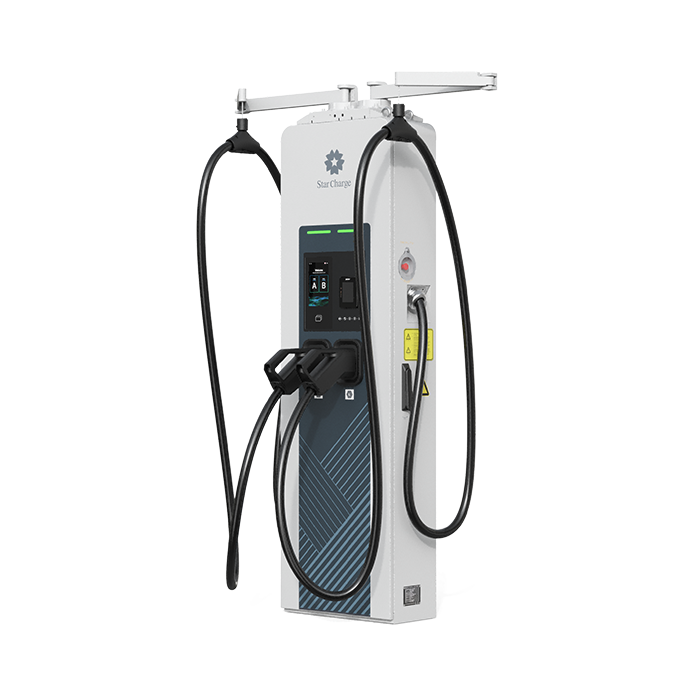
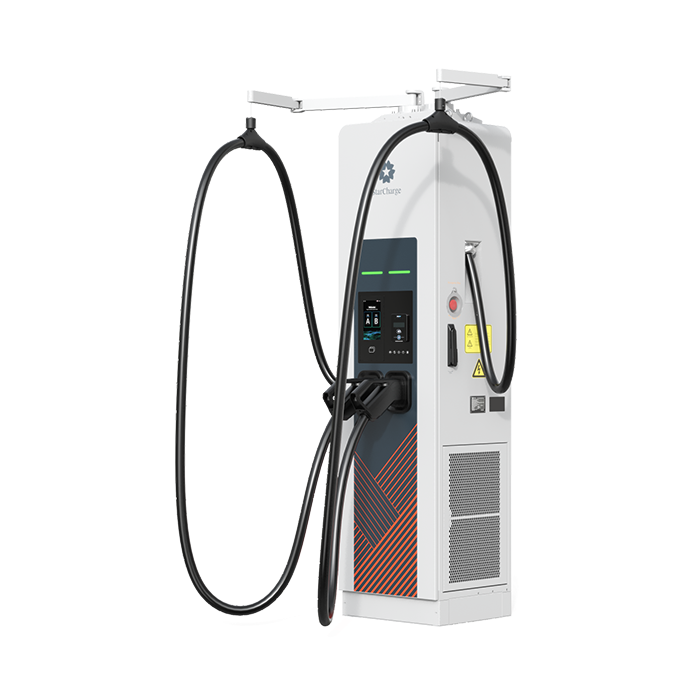
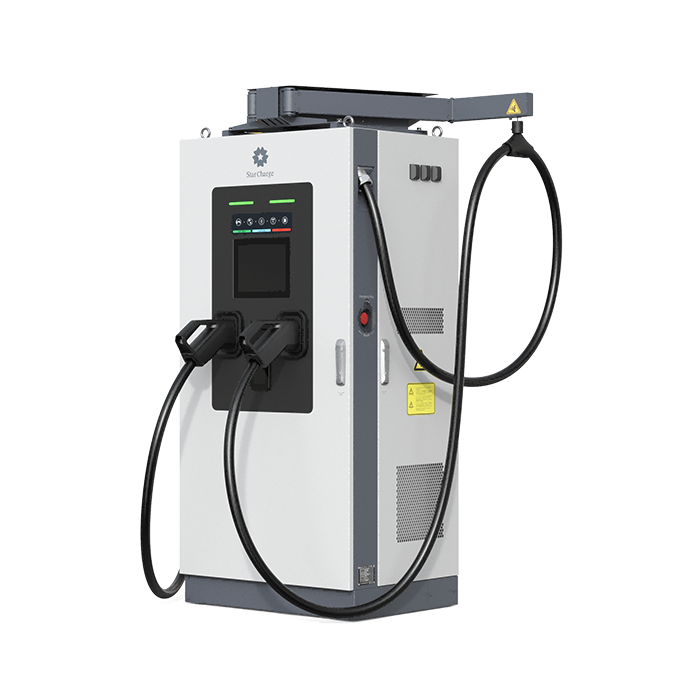
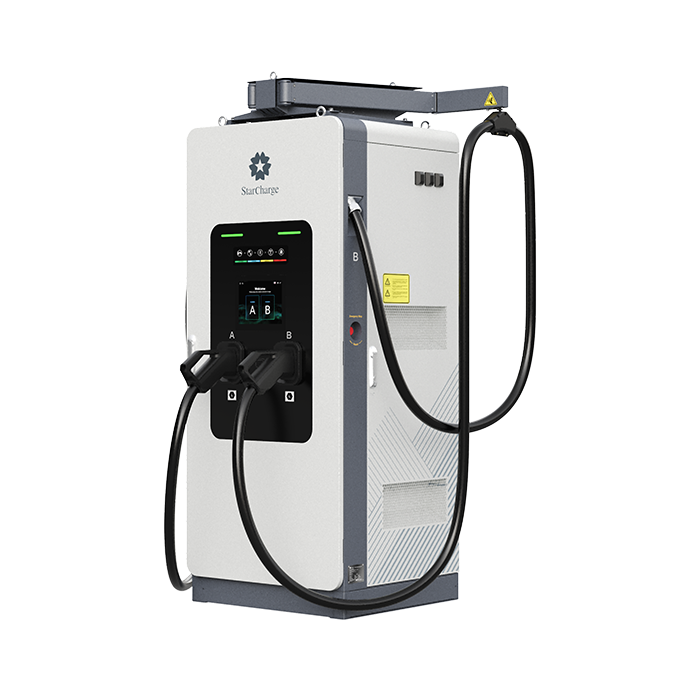
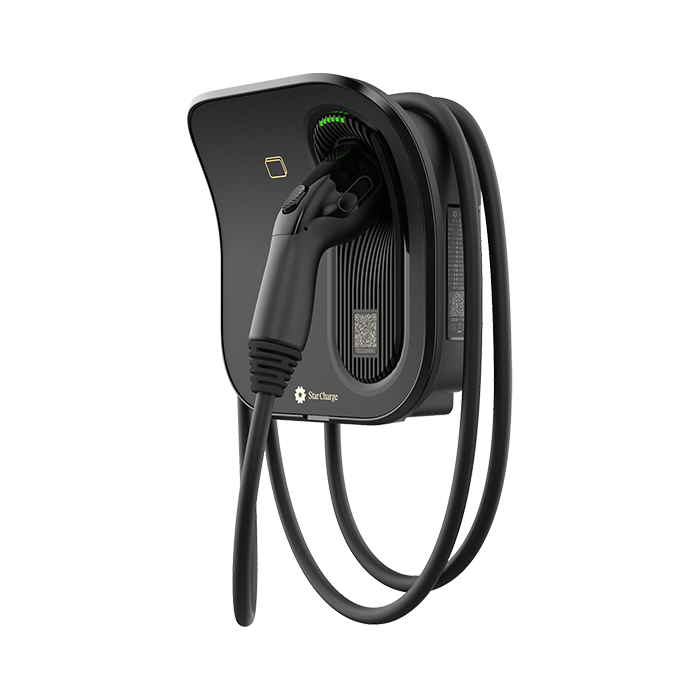
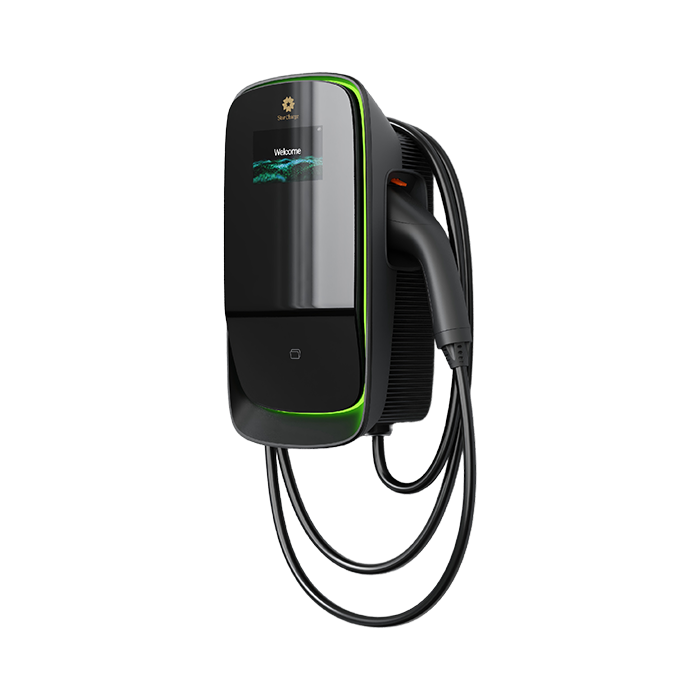
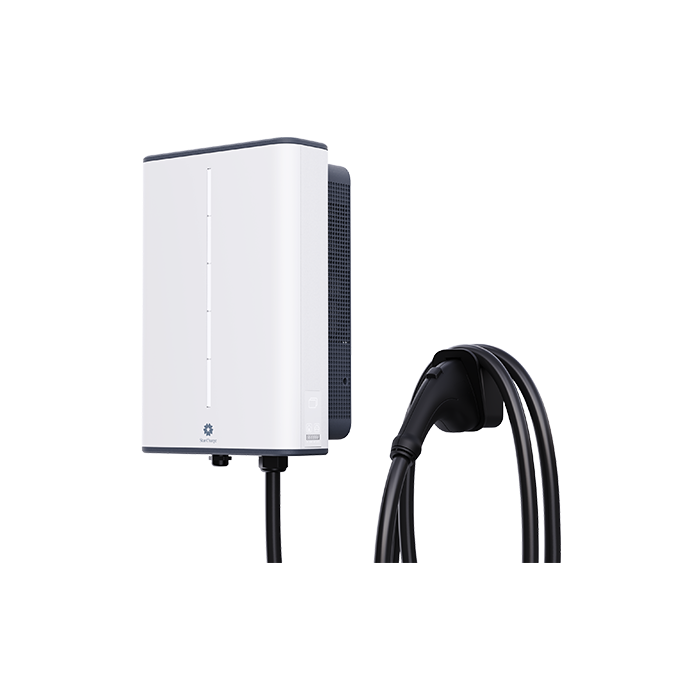
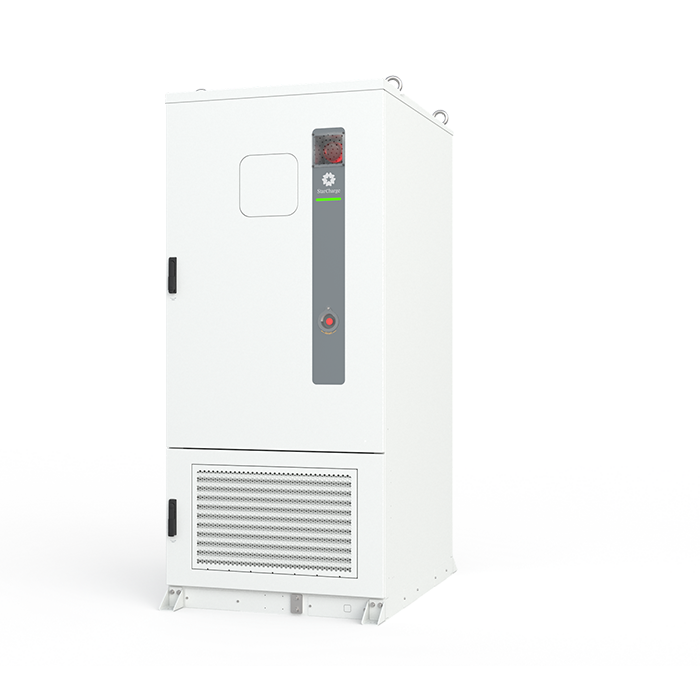
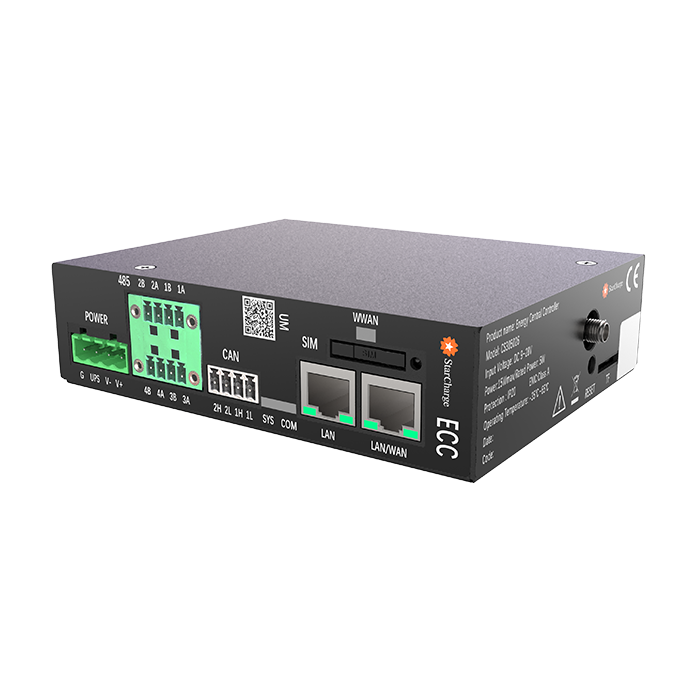
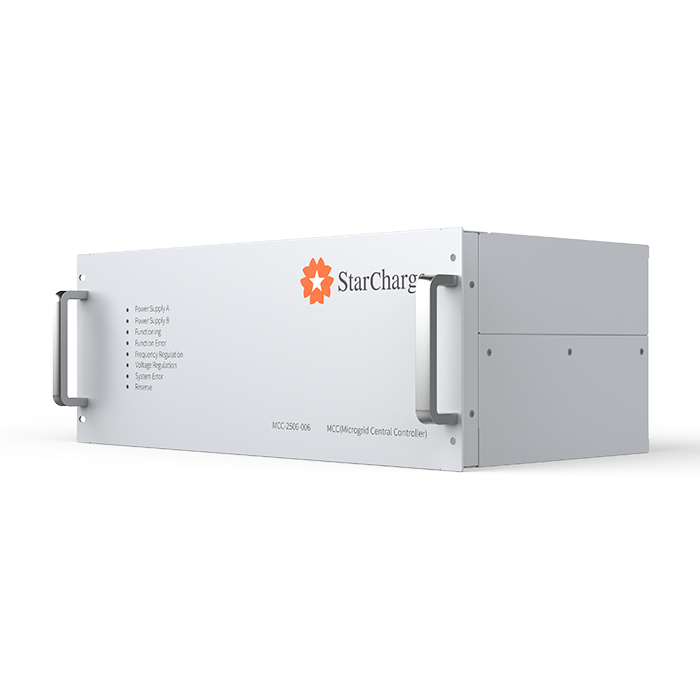
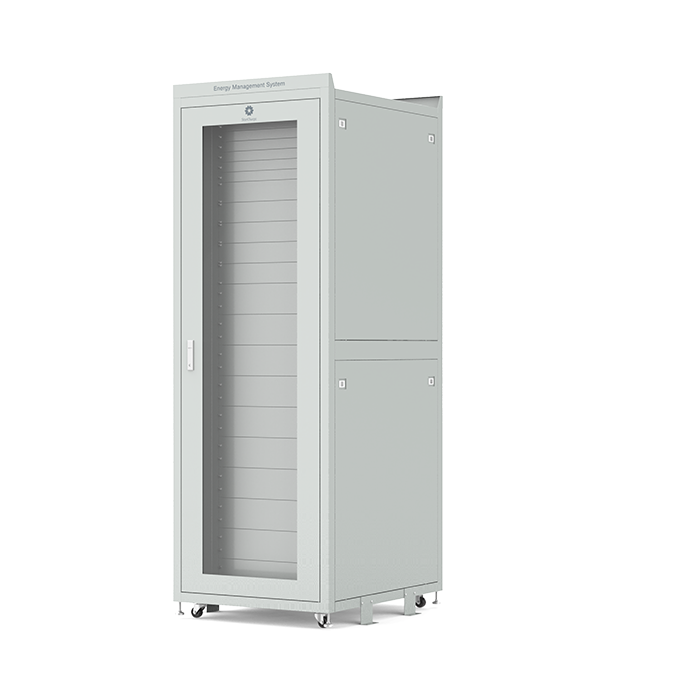
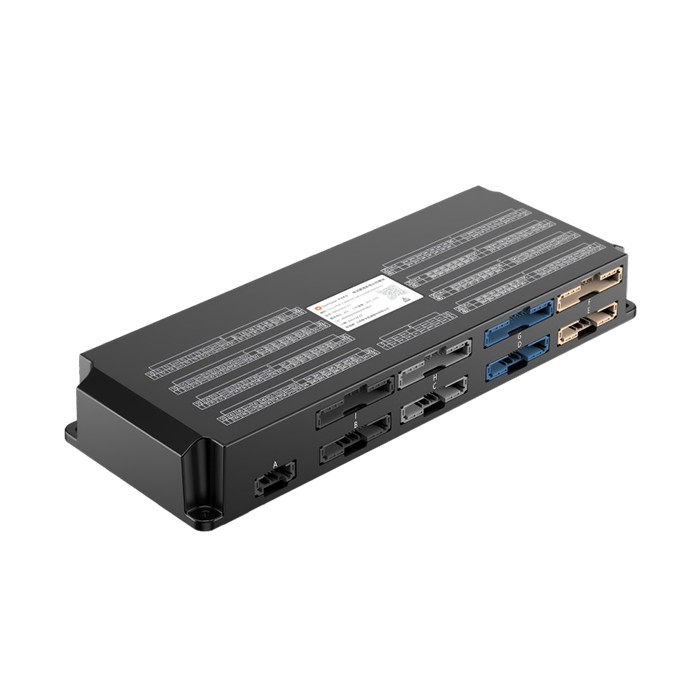
The 4th StarCharge Sumeru Summit grandly opened on November 7. 'Bits define watts' was one of the concepts mentioned most often at the 4th StarCharge Sumeru Summit. So-called 'bits define watts' refers to connecting more hardware devices through the charging network, microgrids, and the virtual power plant operations network, so that numerous scenarios — businesses and industry, industrial parks, and households — are no longer isolated energy islands!
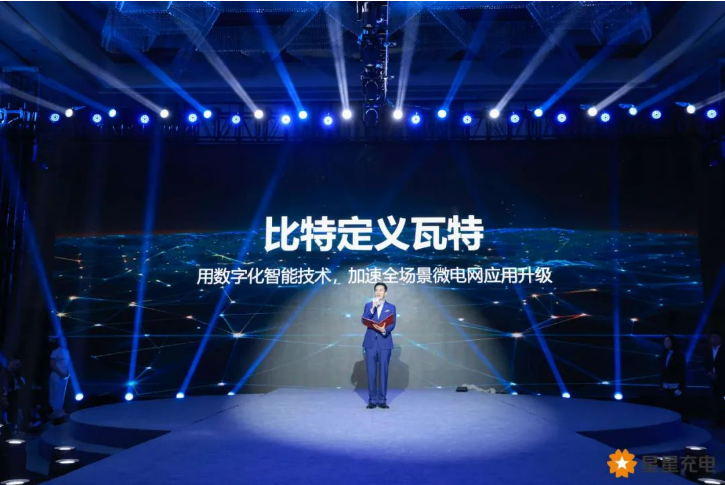
Wang Di, Senior Vice President of Wanbang Digital Energy Co., Ltd. and head of StarCharge's cloud platform business, together with the three heads of StarCharge's cloud products, cloud technology, and cloud operations, presented the major launch of the 'bits define watts' cloud microgrid.
01 Cloud Products: Empowering the Full Lifecycle of Charging Network Construction and Operation
Chen Shuying, StarCharge's charging cloud product director, presented the five core products of the StarCharge intelligent charging network, covering the full lifecycle from construction and investment through operation to O&M.
1. Intelligent Site-Selection Platform
The importance of station site selection for a station's future revenue is self-evident. Where should this station be built? At what scale? What kind of equipment is suitable? Through the StarCharge intelligent site-selection platform, the answers come easily.
StarCharge's intelligent site-selection platform, built on big-data algorithm capabilities, provides more scientific and professional decision guidance for precise site selection, helping us achieve higher investment quality and faster returns.
2. Thousand-Mile Eye Monitoring System
ICE vehicles occupying spots and fully charged vehicles occupying spots are the most common pain points in the charging operations industry. For this, StarCharge independently developed the Thousand-Mile Eye monitoring system. Through a visual edge computing solution, one camera can cover 6 charging parking spaces, greatly reducing revenue losses caused by vehicle occupation.
3. Intelligent Revenue Management Tool
How to continuously improve a station's operating revenue has always been the most core issue throughout the entire operation process. StarCharge's intelligent revenue management tool is also a business tool built on big-data capabilities, able to continuously help stations improve operating revenue through dynamic adjustment.
4. Intelligent Marketing Products
When a station's operations reach a new stage, how to do marketing well becomes a new topic. StarCharge's intelligent marketing products are an expert system built on StarCharge's many years of hands-on station operating experience. Marketing strategy, execution, publishing, and review can all be intelligently analyzed and executed with one click through the system.
5. Intelligent O&M Platform
Equipment availability is crucial to a station's operations and revenue. StarCharge's intelligent O&M platform is an algorithm-based proactive O&M intelligent product that can raise a station's annual equipment availability rate by more than 10%, while its first-time charging success rate reaches over 95%.
Wang Di pointed out: the intelligence of the charging network can bring leaner changes and revenue improvements to station operations, but this is only the first step of our cloud empowerment.
02 Cloud Technology: Empowering the Entire Energy Management Process
Zhao Sheng, StarCharge's algorithm director, released its PV-storage-charging microgrid.
With the continuous iteration of StarCharge's technology, its PV-storage-charging microgrid supports more and more scenarios: from station-level microgrids with single-station PV-storage-charging coordination, to factory-level microgrids cooperatively controlled by multiple energy controllers, and then to park-level microgrids aggregating multiple microgrids. Currently, 320 microgrids are running on the StarCharge platform, covering 175 plants and stations, 101 factories, and 44 parks.
StarCharge has stably achieved microgrid operating revenue through AI intelligent scheduling. On the traditional user side, in the C&I microgrid profit model, most players still achieve peak-valley arbitrage through electricity price spreads, with a single profit model. But after adopting the Star Energy cloud system, eight profit models are realized: besides peak-valley arbitrage, it can also participate in the electricity market, electricity trading, grid demand-side response, and electricity ancillary services, maximizing local green electricity consumption as much as possible. StarCharge can already achieve PV-storage coordination and storage-charging coordination through photovoltaic forecasting, and carry out scientific demand management.
The StarCharge Energy Cloud system applies time-series analysis and deep learning technologies to continuously improve the accuracy of user load forecasting and PV power forecasting. Using operations research optimization models, it recommends the optimal energy storage schedule, achieving benefit-first, green-electricity-first operation.
Beyond revenue management, the StarCharge Energy Cloud system achieves data-driven management of the entire process. Before an energy storage system is built, it analyzes the user's typical load and automatically calculates the appropriate installed capacity; after the storage system is commissioned, StarCharge has developed a series of digital tools, together with corresponding products, to empower asset operations, asset management, and O&M, improving their work efficiency. After the Star Energy Cloud system is applied, ten management capabilities can be realized. In addition to automatic installed capacity calculation, the cloud platform also provides flexible financial solutions and virtual capacity expansion, reducing investment.
For operations, the StarCharge Energy Cloud system can issue early warnings of revenue anomalies and carry out automatic reconciliation and online settlement.
For O&M, the StarCharge Energy Cloud system enables intelligent O&M, digital-twin-based battery life prediction, and proactive safety warnings. StarCharge has also developed a series of tools to help make the entire process management fully digital.
StarCharge firmly believes that through technological innovation and the application of AI and big data, microgrids will be applied to more and more scenarios, delivering greater value to customers.
03 Cloud Operations: Empowering the Entire Energy Operations Chain
Si Yufeng, Director of Cloud Operations of the StarCharge Energy Cloud, gave attendees a detailed introduction to the electricity-carbon VPP business centered on the virtual power plant.
The Wanbang virtual power plant aggregates the charging network to enable efficient 'vehicle-road-cloud-grid' interaction within a city. Through microgrid aggregation, the Wanbang virtual power plant realizes source-load interaction, performs resource scheduling on the platform, responds to dispatch invitations, and enables vehicle-grid interaction.
Wanbang VPP 1.0 aggregates 4700MW of dispatchable resources, covering 23 provinces across China. Based on the charging network's footprint in 370 cities and regions, it can respond anytime, anywhere, and on demand within 60 seconds whenever the grid requires.
Building on 1.0, Wanbang VPP 2.0 covers six major scenarios through 6 types of trading and 18 algorithms, delivering enormous revenue gains for each individual microgrid. With these capabilities, the Wanbang virtual power plant helps local governments, industrial parks, and city investment companies achieve visible, measurable, and manageable virtual power plant value-added returns oriented toward the 'dual carbon' goals.
Si Yufeng pointed out that, beyond the Wanbang virtual power plant's deployment across provinces, many virtual power plant policies have now been issued; once participating in market trading, operators can earn response subsidies as well as additional revenue by taking part in the electricity market. She cited a charging station in Guangdong that, thanks to the Wanbang virtual power plant, achieved a profit of RMB 0.08 per kWh on top of its original returns, mainly owing to the autonomous trading of Wanbang VPP 2.0 based on source-load interaction.
Si Yufeng further disclosed that in the future the Wanbang virtual power plant will introduce more strategies — for example, emulating Amap (Gaode Maps), it will perform automatic scheduling and run algorithms on the Wanbang VPP platform according to each microgrid's needs, following green-first, cost-first, and benefit-first principles.
Finally, Si Yufeng shared her vision for Wanbang VPP 3.0: VPP 3.0 aims to combine distributed green electricity trading, electricity trading, and spot trading, and to integrate the virtual power plant with carbon assets, carbon trading, and carbon finance, successfully maximizing returns for every type of energy asset within each microgrid. She also hopes to embed the trading and operating experience accumulated across the provinces into the algorithm platform, empower major operators through openness, and, by connecting the ecosystem, let everyone leverage their respective strengths to together embrace the future development of the virtual power plant.
Whether it is the practicality of the charging network cloud products, the advancement of the energy management technologies, or the forward-looking nature of the virtual power plant operation capabilities, everything reflects the exploration and thinking of Wanbang Digital Energy Co., Ltd. as an industry leader. Where will energy head next? Perhaps the answer lies right here!