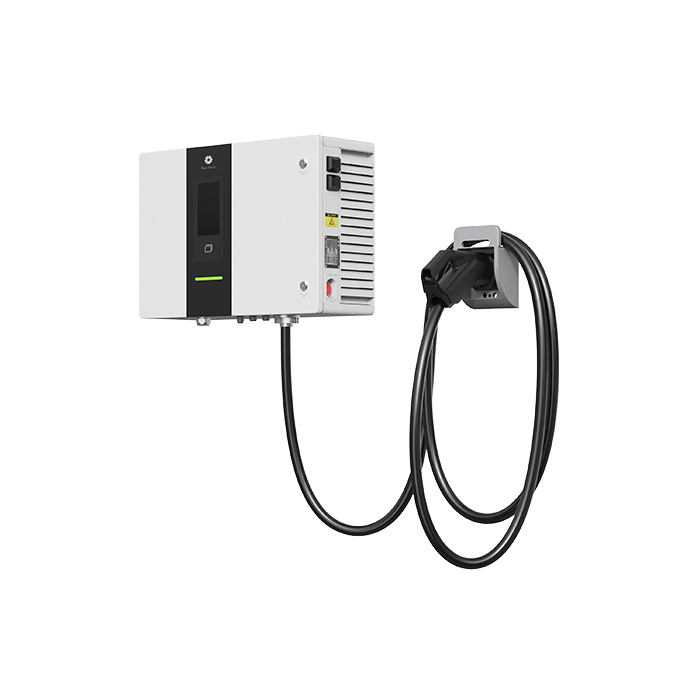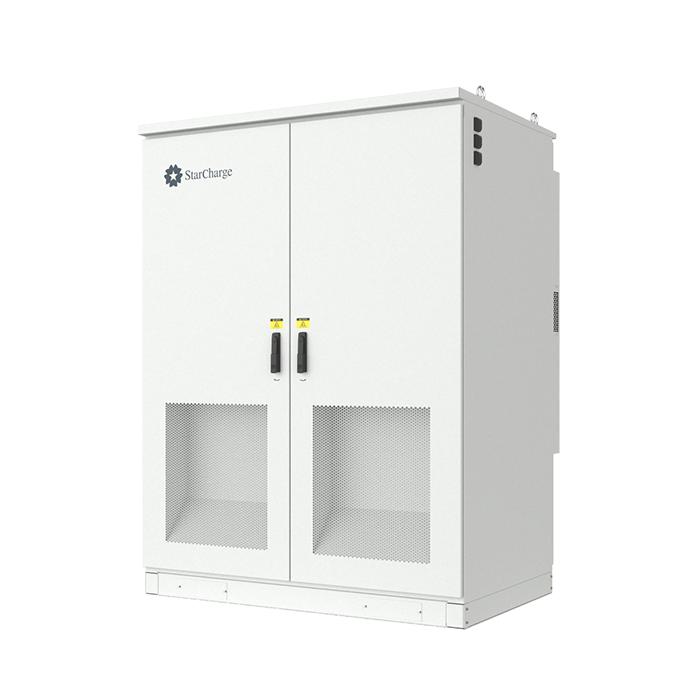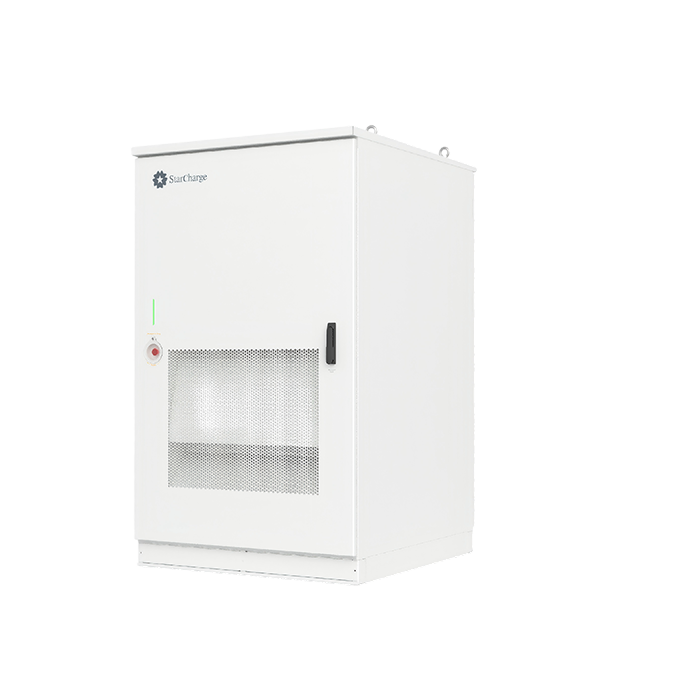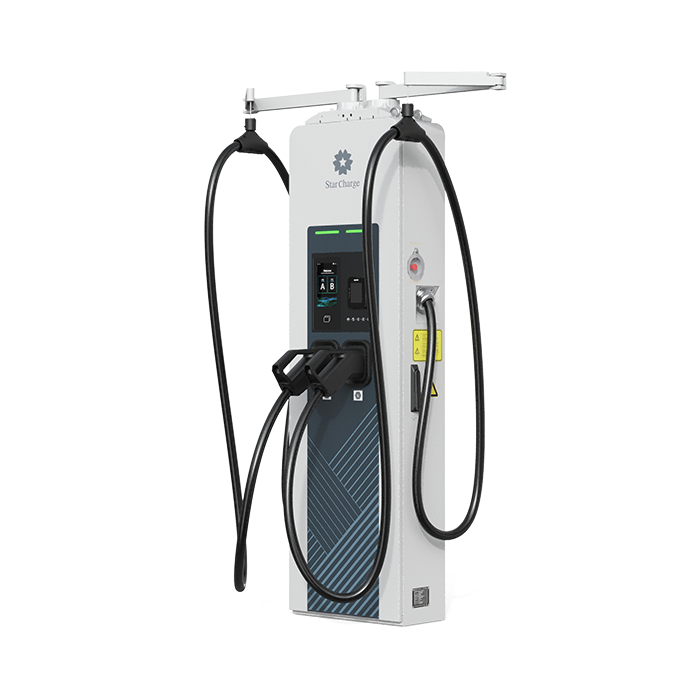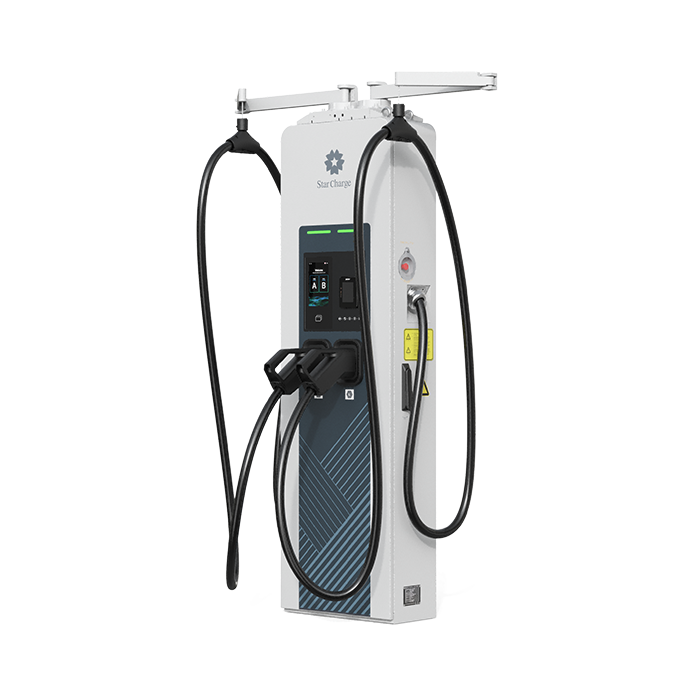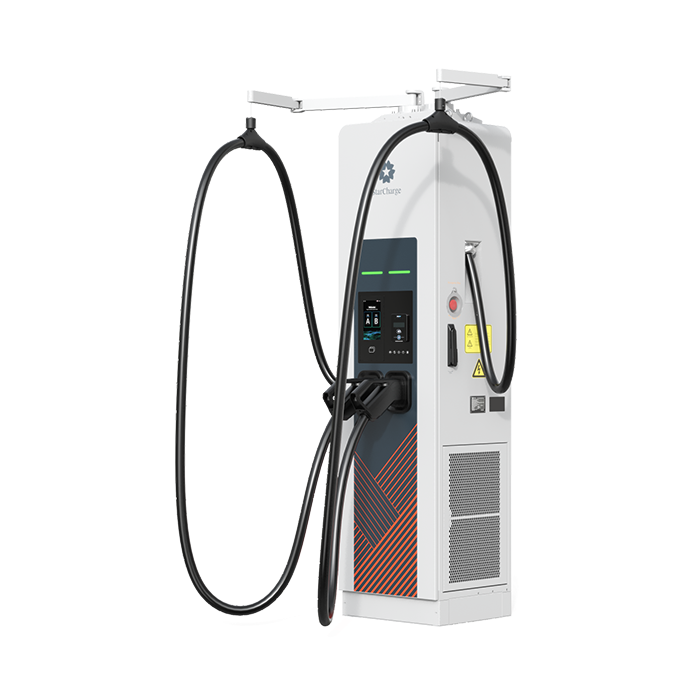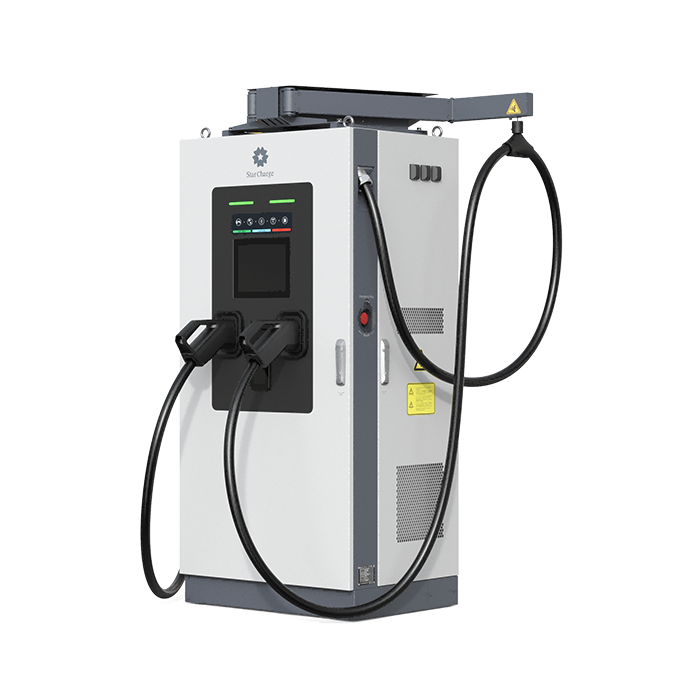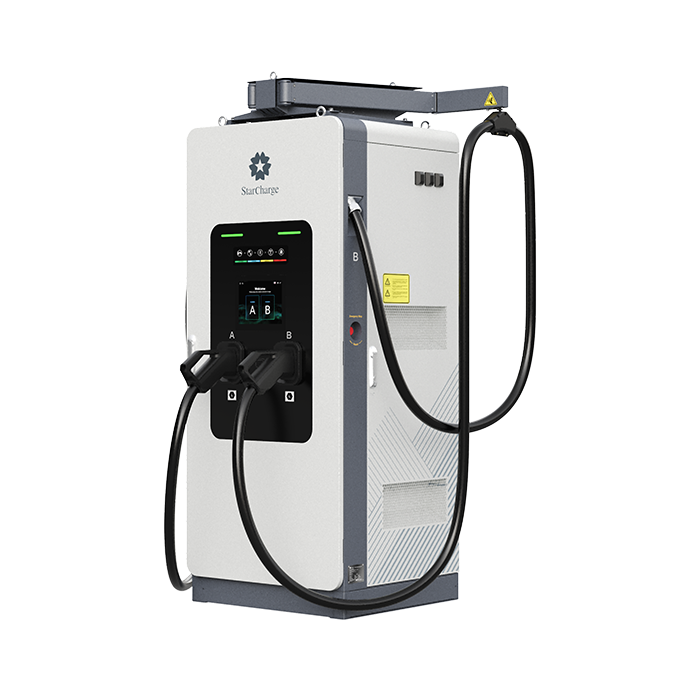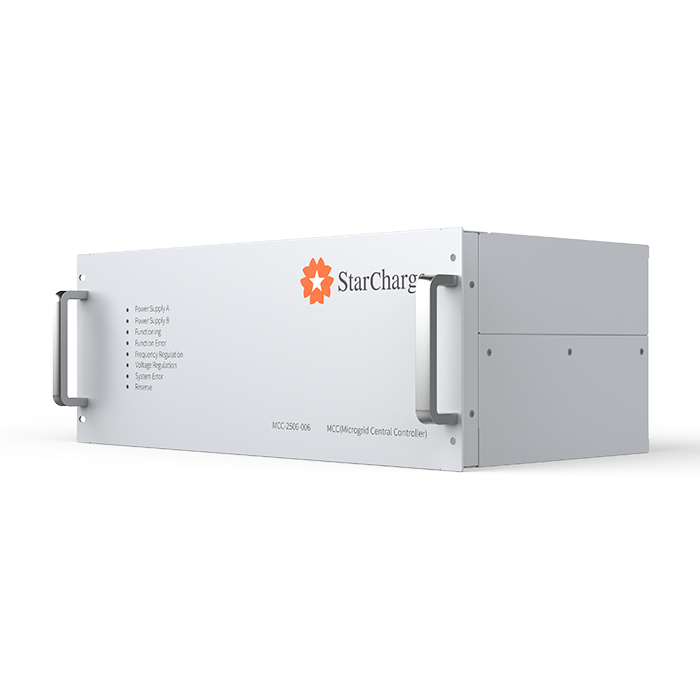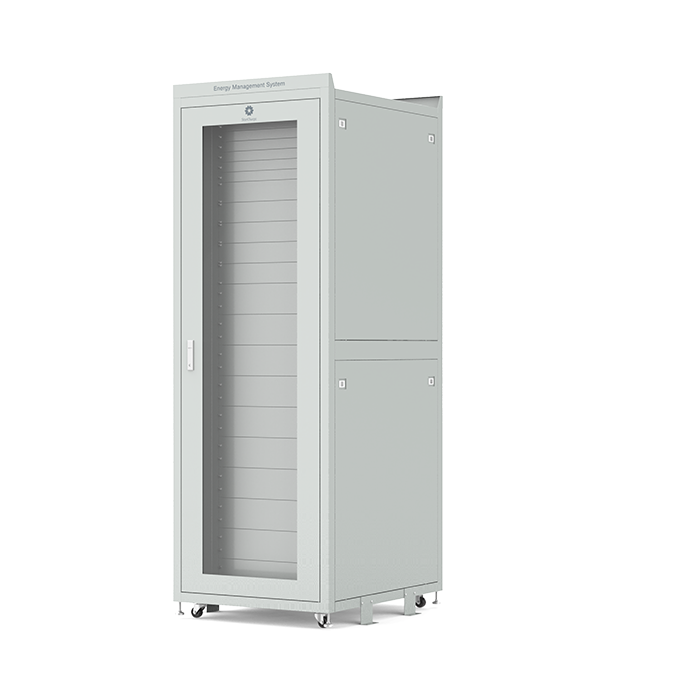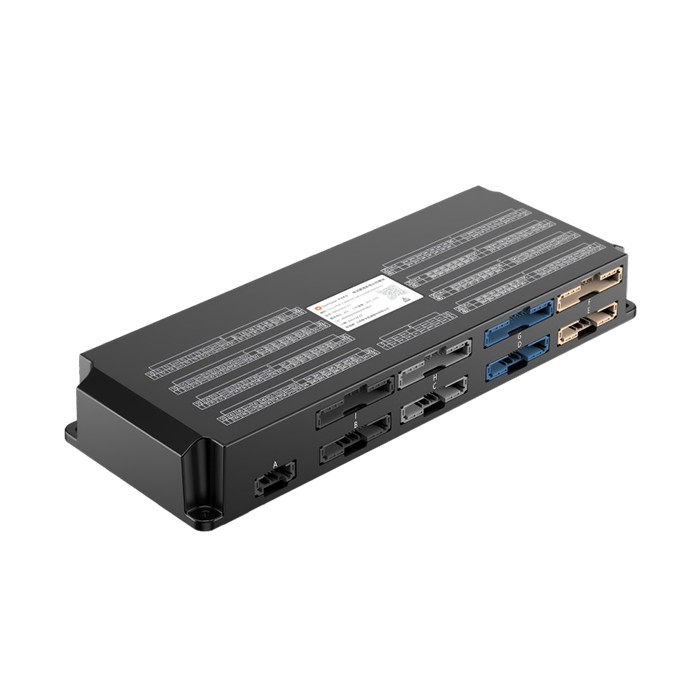
Across the three thousand great worlds, wisdom is expounded at Mount Sumeru. On September 23, 2020, the 3rd Sumeru Summit was held in Changzhou, Jiangsu. Hosted by StarCharge (Wanbang Digital Energy Co., Ltd.), the conference centered on the theme of the 'Mobile Energy Internet,' with more than 800 guests spanning government, industry, academia, research, media, and finance.
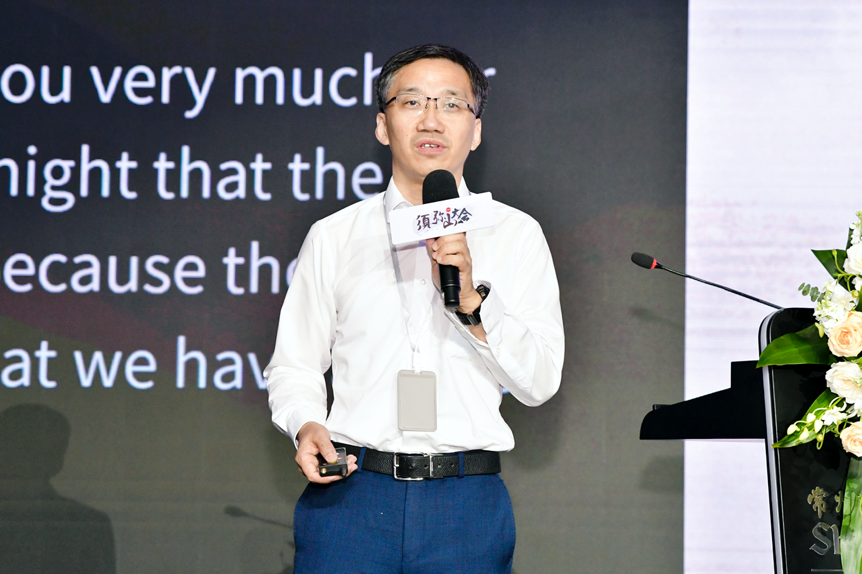
Liu Yongdong, Director of the Standardization Management Center of the China Electricity Council, delivered a speech titled 'Current Status and Development of EV Charging Infrastructure Standards'. The full transcript is as follows:
At yesterday's Sumeru Summit opening ceremony, I said that a standard is a ruler, a compass, and even more a direction, because standards largely concern industrialization. Technology R&D values diversity — you can play however you like, as unconventional as you wish — but for technology to become a product, the product to be sold, sales to become an industry, and the industry to develop at scale, standards play a fundamental supporting role. So I would like to take today's opportunity to report to you and exchange views on some aspects of standardization work.
Since the General Secretary put forward the vision of making the country strong in new energy vehicles, and especially in the past two years when the topic of new infrastructure has been rather hot, I would like to share my personal understanding of new infrastructure for charging piles. First, look at the big picture: the automotive industry is a pillar industry of our national economy, new energy is an important development direction within it, and our vehicles are related to energy; developing new energy vehicles should also be an important measure of the national energy security strategy. The development of our new energy vehicles is also closely related to our electric power energy transition. The power industry is implementing the construction of a clean, low-carbon, safe, and efficient new energy system, and in this process, everyone has proposed — new energy electricity should charge new energy vehicles.
Secretary-General Xu Yanhua also just talked about the future scale of vehicle development, where electricity consumption and power development are closely related to our power transition. I draw this conclusion: our charging infrastructure is an important foundation for the promotion of new energy vehicles, a comprehensive node of intelligent transportation, smart cities, and the smart grid, and also an entry point to the Internet economy. Our vehicles need electricity, and once our infrastructure is connected, charging needs to cooperate closely with it. At the same time, infrastructure is a new type of urban facility; the construction and planning layout of infrastructure are inevitably closely related to urban construction.
The development of the electric energy transition is also an important aspect. Our charging behavior is actually inseparable from our life and work, so a small charging pile connects our vehicles, cities, the grid, work, and life — the entry point is extremely important. Many charging operators here are seizing the entry point and the Internet economy. From a technical perspective, we are now developing advanced charging technology. Where do StarCharge's technologies come from? Where is the demand? Where is our standard demand? We must return to the current development of the industry.
- From the operator's perspective, we also see a series of problems. As Secretary-General Xu Yanhua just mentioned, from the vehicle owner's point of view, poor experience and insufficient interoperability have been problems we have hoped to solve for many years.
- From the equipment perspective, product quality is relatively homogeneous, and whether our products' reliability and quality can guarantee safe and reliable charging has always been a topic of great concern to the industry. From the grid companies' perspective, the mobile energy and V2G we hope for have not yet emerged.
- From the technical route perspective, our current technical routes are still rather complex, increasing the industrialization costs of vehicle models and pile types; we have AC, DC, and all kinds of systems. Judging from the current technical solutions, our technical routes are not yet fully mature; our national standards, European standards, and Japanese standards still have major problems. These technical solutions were based on the engineering design needs of the time and were not established around the top-level needs of industrialization development; their systematic extensibility is insufficient, and there are many challenges brought by technical upgrades for future development. Under the new situation, as Chinese enterprises go global, the lack of unified standards has also created certain obstacles (technical barriers to trade). Looking at charging demand from the perspective of future market development, what is it?
The first is fast and safe charging — a new challenge we must face: it must be both safe and fast. Today there is high-power charging and also the battery swapping model.
The second is integrated charging and discharging. We hope to realize mobile energy interconnection, and V2G discharge is precisely the need of future technological development.
The third is the quality-oriented technical route of charging. Why did we have AC in the first place? Very simple — what comes out of the wall is AC. Later we found we needed speed, so we needed DC. Now the grid is developing from an AC grid toward a DC grid; in the future, distribution networks may see hybrid grids, and what comes out of the wall may be DC power, making it very simple to charge batteries directly.
The fourth is automatic charging. After autonomous driving, automatic charging may be needed. Of course, the technical routes for automatic charging are not limited to robotic arms and intelligent robots; they also include plug-and-charge, seamless charging, and so on — this whole series constitutes the demand for the development of automatic charging.
The fifth is charging compatibility. We have many APPs and many operators, which is a very good thing, but from the user's perspective, we hope for one APP that can charge anywhere.
There is also a big issue: we hope for unified standardization. This topic was also discussed last night — enterprises going global must comply with all kinds of standards, and StarCharge has even established a dedicated joint venture for this purpose, also to help the enterprise go global. Whether international standards can be simplified and unified is a good thing for automakers and charging pile companies around the world. Going forward, on the slow-charging technical route, whether small-power DC or wireless charging, convenient approaches can be realized. For fast charging, we hope to achieve 300 km of range with 10 minutes of charging; discharge needs to achieve interaction with the grid; charging services are expected to be for slow use; and the charging system covers segmented markets such as conductive charging, wireless charging, and battery swapping. We believe our charging services should be a multi-dimensional system, and I have always insisted on saying this. I personally object to the simplistic formulation of 'slow charging as the mainstay, fast charging as supplementary' — that would directly wipe out the work of many people present. The vast majority of charging electricity is now completed through fast charging, and fast charging already accounts for 40% of the quantity. We believe it is more appropriate to propose a multi-dimensional charging service system that includes public, dedicated, premium, and battery-swapping services — all are its segmented markets. In this process, the user experience should be at the center, and the quality of the user's charging experience should be the criterion for judging the technology and development needs of our charging infrastructure.
The main problems our standards need to solve are: first, interfaces and interoperability; second, safety and quality; third, industrial promotion; and also the international market — standards must solve their own problems. We have now established the Electric Vehicle Charging Infrastructure Standardization Technical Committee of the energy industry, and I have been very fortunate to participate in promoting the construction and development of charging infrastructure since 2010. This is our planned blueprint, covering conductive charging, wireless charging, and battery swapping. We have planned 152 standards in total, of which 65 have been issued.
Next, let me report to you the thinking and ideas for the next stage of standardization work:
The first is the construction of the standard system, which mainly revolves around two aspects. The first is vehicle development, for which there is already a 2021-2035 plan, currently only a draft for comments; the second is the charging infrastructure development planning guide being revised by the National Energy Administration, originally covering 2015-2020 and now likely 2021-2025. The second is the Standardization Law. Those engaged in standards should know that in the past we had national standards, industry standards, and enterprise standards; after the Standardization Law came out, association standards were added to meet the rapid needs of market and technology development, so facility standards must also establish a new type of standard system in accordance with the new Standardization Law. Second, accelerate standard formulation. One is system standards, which I also discussed last night, including the revisions of 18487.1 and 27930. Two: consider charging needs in special scenarios such as extreme cold, rural areas, logistics, and airports — this is also new space for continuously improving the construction and development of charging infrastructure. For example, we are formulating technical charging specifications for energy-storage devices, and we are also formulating safety standards, and so on. High-power charging is also a very important factor; our first two standards have been launched, equipment standards are being drafted, and interface standards are in the application process. We hope to complete the drafting by 2021.
The second is O&M standards. Our charging infrastructure is deployed on a vast scale, so we need to establish standards for product quality and reliability management of charging infrastructure, including design specifications and construction specifications. To meet the needs of charging services, we must establish a technical standard system for charging identity authentication to solve the problem of unified identification and security of charging identity accounts.
The third is V2G, which has also been much discussed. We may need to solve the communication protocol problem and solve the coordination of standards between charging infrastructure and the distribution network, power plant construction, power demand response, and so on.
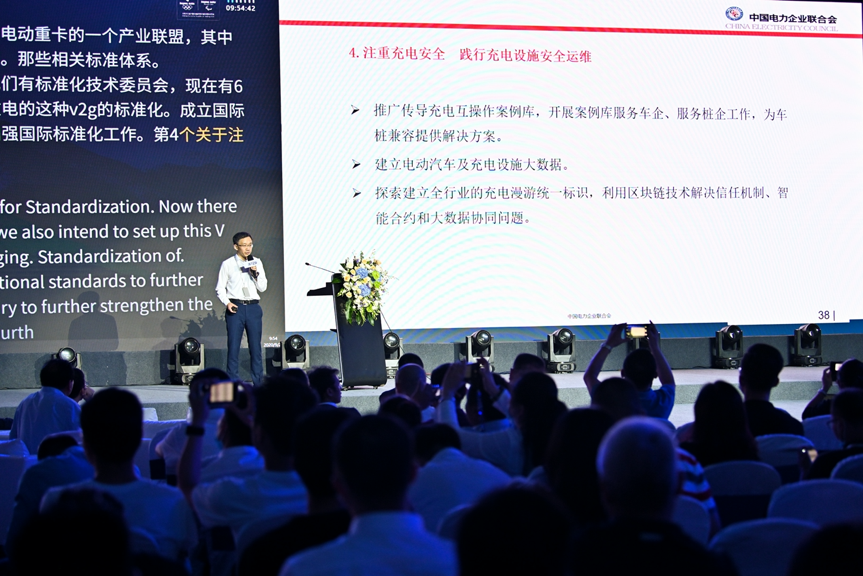
The fourth is wireless charging. We have completed the first step of the wireless charging roadmap and are working on the second step, providing support for the industrialization of wireless charging. The fifth is battery swapping standards, which mainly involve two key directions: one is shared battery swapping, and the other is heavy-duty truck battery swapping. Academician Ouyang also just mentioned the establishment of an electric heavy-duty truck battery swapping industry alliance, an important part of which is promoting the establishment of a regulatory system for heavy-duty truck battery swapping. The third aspect is organizational structure building. We have a unified standardization technical committee with 6 standardization working groups; we also plan to establish a V2G standardization working group for electric vehicle charging and discharging, and set up an international standards group to further strengthen V2G work and further strengthen international standardization work. The fourth is charging safety, improving the safety of charging operations and maintenance. This year we have completed the case library work to solve the matching problem of pile-vehicle interoperability, and we are also building charging big data to solve the problem of vehicle-pile coordination.
The fifth aspect is enriching the derivatives of standards. What you see may be just one standard, but there are actually many output forms of standards. This year we will compile training tutorials for charging infrastructure electrician positions, compile a charging infrastructure construction acceptance work manual, including special requirements for charging infrastructure for special vehicles in rural areas, further enriching the textual achievements of standardization and better guiding industry development.
The sixth is international standards. We have done a great deal of work on charging roaming, battery swapping, and related charging equipment, including wireless charging and information security — these are all key points of standardization work. We expect international standards and domestic standards to advance in sync; we expect standard formulation and technology R&D to advance in sync; we expect standard formulation and standardized industry development to advance in sync. We also hope to serve the relevant government departments and are currently assisting the government with the 2021-2025 planning work, coordinating our vehicles and piles in this process!