






StarCharge's Changzhou V2G Pilot Project Showcased at the Chongli Forum
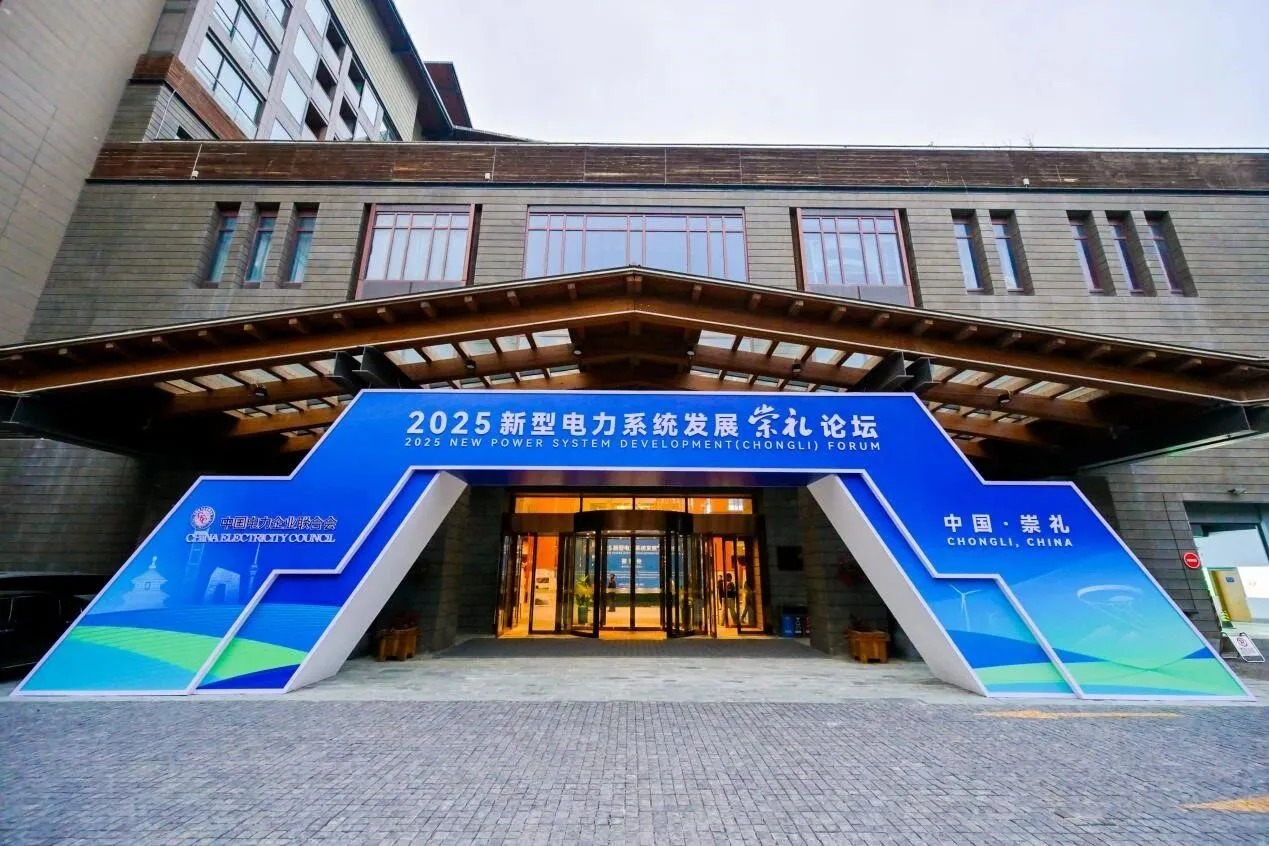
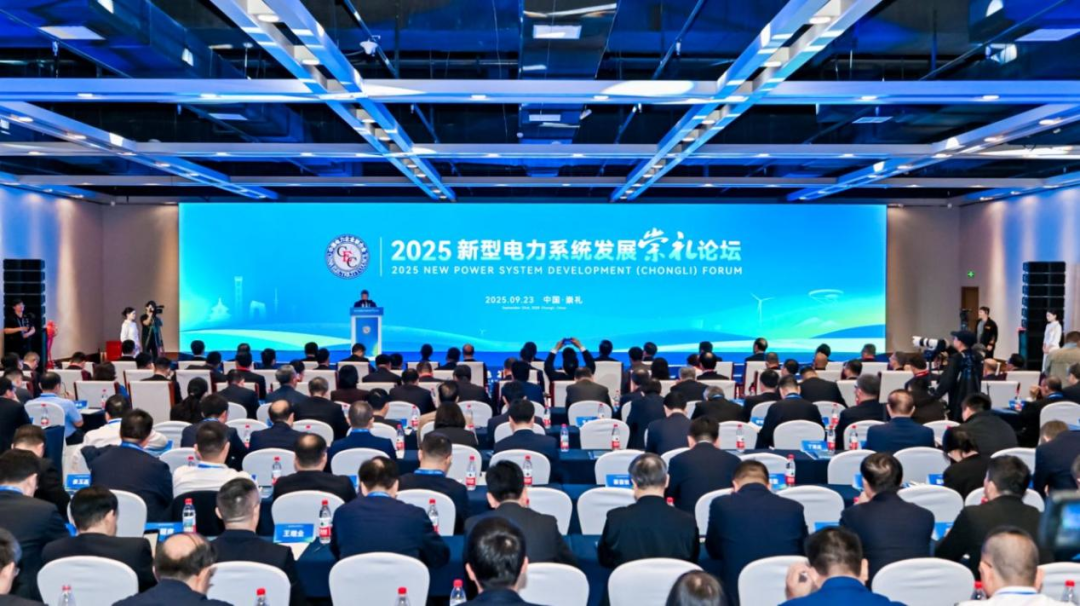
Recently, the third New Power System Development (Chongli) Forum was successfully held in Chongli, Hebei. As a high-level dialogue platform in China's energy and power sector, this year's forum focused on pathways for building new power systems, breakthroughs in key technologies, and large-scale application practices. Jia Gang, Deputy General Manager of StarCharge's Technology Development Center, was invited to attend and delivered a speech titled"Changzhou DistributedV2GVehicle-Grid Interaction Pilot Project Progress", sharing StarCharge's explorations, achievements and thinking in the field of vehicle-grid interaction.
In his presentation, Jia Gang pointed out that developing vehicle-grid interaction (V2G) is an important pathway for advancing the clean and low-carbon energy transition and enhancing grid flexibility, but its rollout still faces a series of practical challenges, such as exploring sustainable business models, matching decentralized small-scale discharging with grid needs, and battery health and user trust. He said that StarCharge, relying on its"three-network integration"platform——— the deep integration of the charging network, microgrids, and the virtual power plant operations network — provides strong support for the large-scale development of vehicle-grid interaction.
Although vehicle-grid interaction has broad prospects, it is still in its early stages. Jia Gang noted that at presentV2Grevenues rely mainly on policy subsidies, and market-based mechanisms are not yet fully established; decentralized, fragmented discharging has only a limited effect on grid regulation; and users' concerns about battery degradation also constrain their willingness to participate. To address this, StarCharge joined hands with State Grid Changzhou Company and Changzhou New Energy Group in2024end of the year to launch the"large-scale application of vehicle-grid interactionV2Gproject", aiming to explore a replicable and sustainable development path for the industry through systematic practice.
Relying on its nationwideV2Gpilot stations, more than2000microgrids, and a virtual power plant platform that has obtained first-level load aggregator qualifications in more than ten provinces, StarCharge has gradually formed six core capabilities supporting vehicle-grid interaction: managed charging, optimal scheduling, load and PV forecasting, spot price forecasting, trading development, and intelligent dispatching. In the Changzhou project, the company built a"forecasting—aggregation—trading"integrated platform"— the Taiyi Energy Trading System", achieving second-level response and real-time dispatching across millions of terminals.
Regarding user incentives, the project's research concluded that differentiated incentive mechanisms should be designed in a targeted manner: high discharging subsidies to attract private car owners; auxiliary service revenue sharing and fast-charging discounts for ride-hailing drivers; and long-term contracts and battery health insurance for bus and logistics users. In addition, Changzhou's practice in promotingV2Glarge-scale application is equally worth replicating, namely through"Cheering for the Jiangsu City Football League, Charging Up Changzhou"and other themed activities, combiningV2Gwith sports events to enhance users' sense of participation and reward.
In addition, the company has combinedV2Gpromotion with"8·28Low-Carbon Festival"and other public events, using online and offline awareness campaigns,APPoptimized signage, and guidance from station staff to gradually cultivate users' discharging habits.
Vehicle-grid interaction is a long-term undertaking that needs to advance steadily in stages. Based on its research, the project proposed that in the short term, subsidies and incentives are still needed to open up the market; in the medium term, the aggregator model should create economies of scale; and in the long run, a"vehicle-pile-grid-storage"autonomous ecosystem should be built, makingV2Ga pillar of flexibility in the new power system."We believe that as technology continues to mature, mechanisms gradually improve, and user awareness grows, electric vehicles will not only be a means of transportation, but will also become the grid's'mobile energy storage units', contributing to the building of a clean, low-carbon, safe, and efficient new energy system."Jia Gang said at the close of his speech.
As a leading enterprise in China's charging infrastructure sector, StarCharge is putting into practice"Making Charging More Efficient and Energy Smarter", injecting new momentum into the energy revolution and the achievement of the"dual carbon"goals.


Share


Recommended News
-
StarCharge Wins Two Major Industry Awards: the 'Huachu Award' and the 'Jinchu Award'
3 Feb 2026Explore More -
Technology Boosts Efficiency, Lifetime Service | 2026 StarCharge Partner Kick-off Conference Successfully Held in Taiyuan
30 Jan 2026Explore More -
500MW/2000MWh! StarCharge Powers One of China's Largest Grid-Forming Energy Storage Projects Into Operation in Naiman Banner, Inner Mongolia
30 Jan 2026Explore More