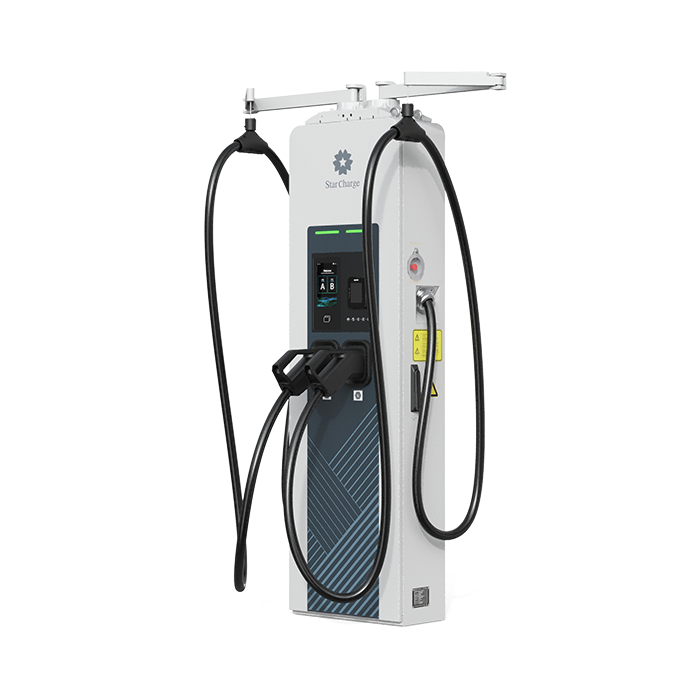
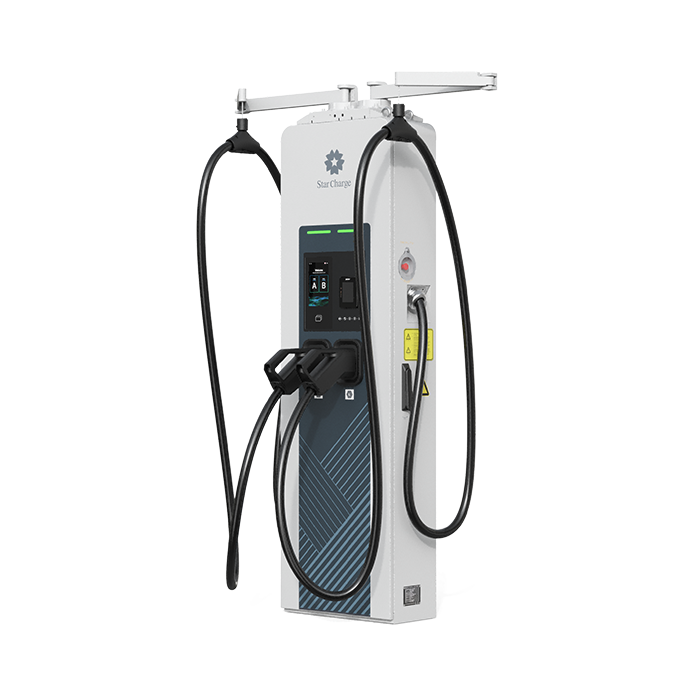
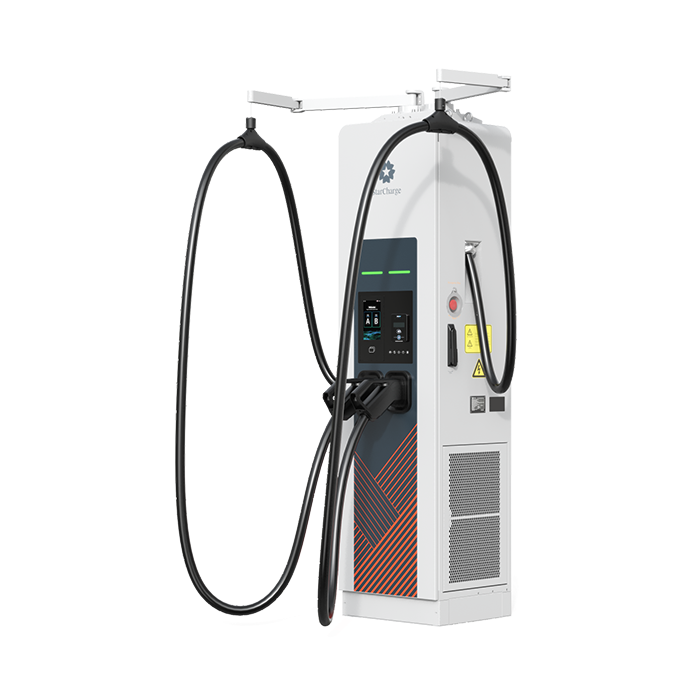
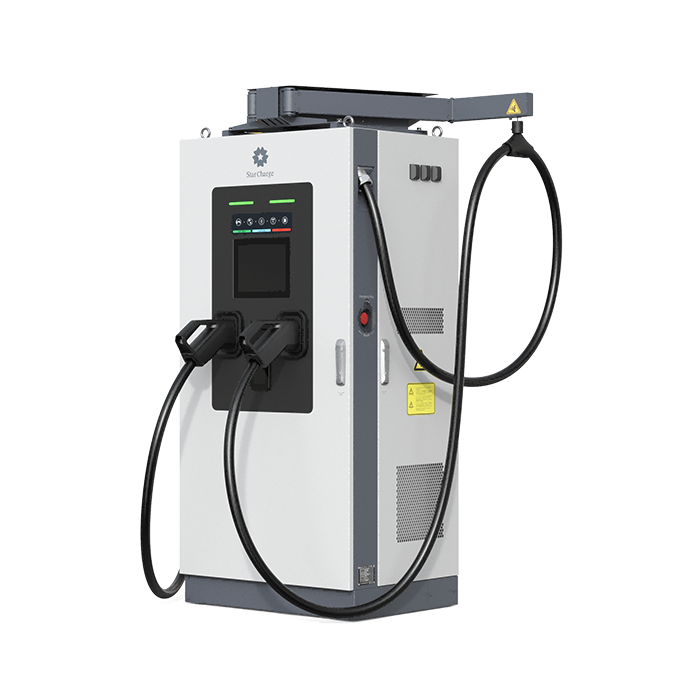
As the nation promotes the high-quality development of the charging and battery-swapping industry, and as the industry's growth calls for new technologies and new models, PV-storage-charging integration has become a field attracting great attention.
Atthe 2024 First EV Charging and Battery-Swapping Operators Super Annual Conference, StarCharge will give a keynote on'Integrated Operations of PV-Storage-Charging Projects', aiming to explore in depth the experience, challenges and development directions of this model in actual operations, and to provide a reference for the industry.
What highlights await? Let's take a sneak peek~
01
Which of the 3 Mainstream Technologies Deserves Priority?
Today, liquid-cooled ultra-fast charging, PV-storage-charging and V2G technologies have become the focus of the industry, profoundly reshaping the energy replenishment landscape for new energy vehicles and the ecosystem model of energy interaction.
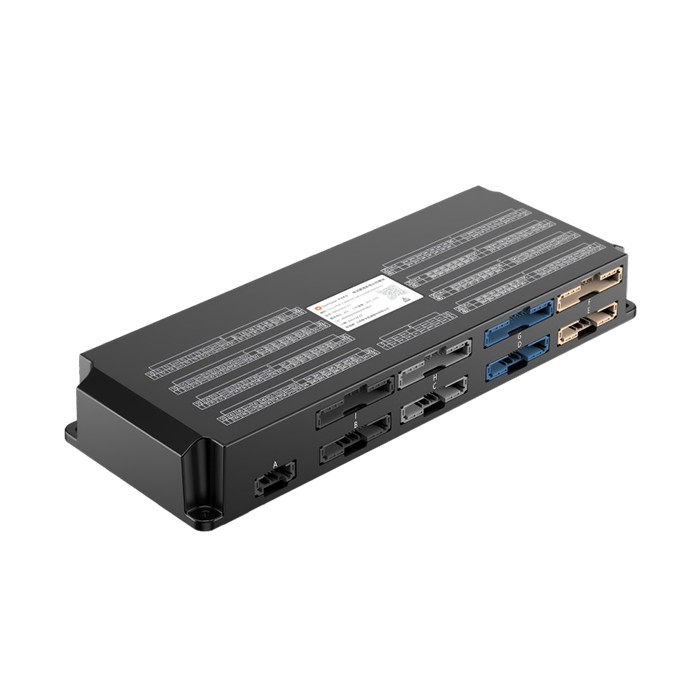
Liquid-cooled ultra-fast charging technology uses a liquid cooling system to boost the speed and efficiency of EV charging. During high-power charging, the battery and charging equipment generate substantial heat; the liquid cooling system can rapidly carry this heat away, keeping temperatures stable throughout the charging process, thereby avoiding overheating problems, extending battery life and enabling higher charging power. This technology is typically applied in super charging piles, delivering greater power for EV charging in a short time.
PV-storage-charging technology combines solar power generation (photovoltaics) with energy storage technology. It converts sunlight into electricity through PV panels, stores the electricity in an energy storage system (such as batteries), and then uses charging piles to charge EVs with the stored power. This reduces dependence on the traditional grid, lowers energy consumption and emissions, and improves the sustainability and environmental friendliness of charging. PV-storage-charging technology is well suited to regions with abundant solar resources, with far-reaching environmental and investment value.
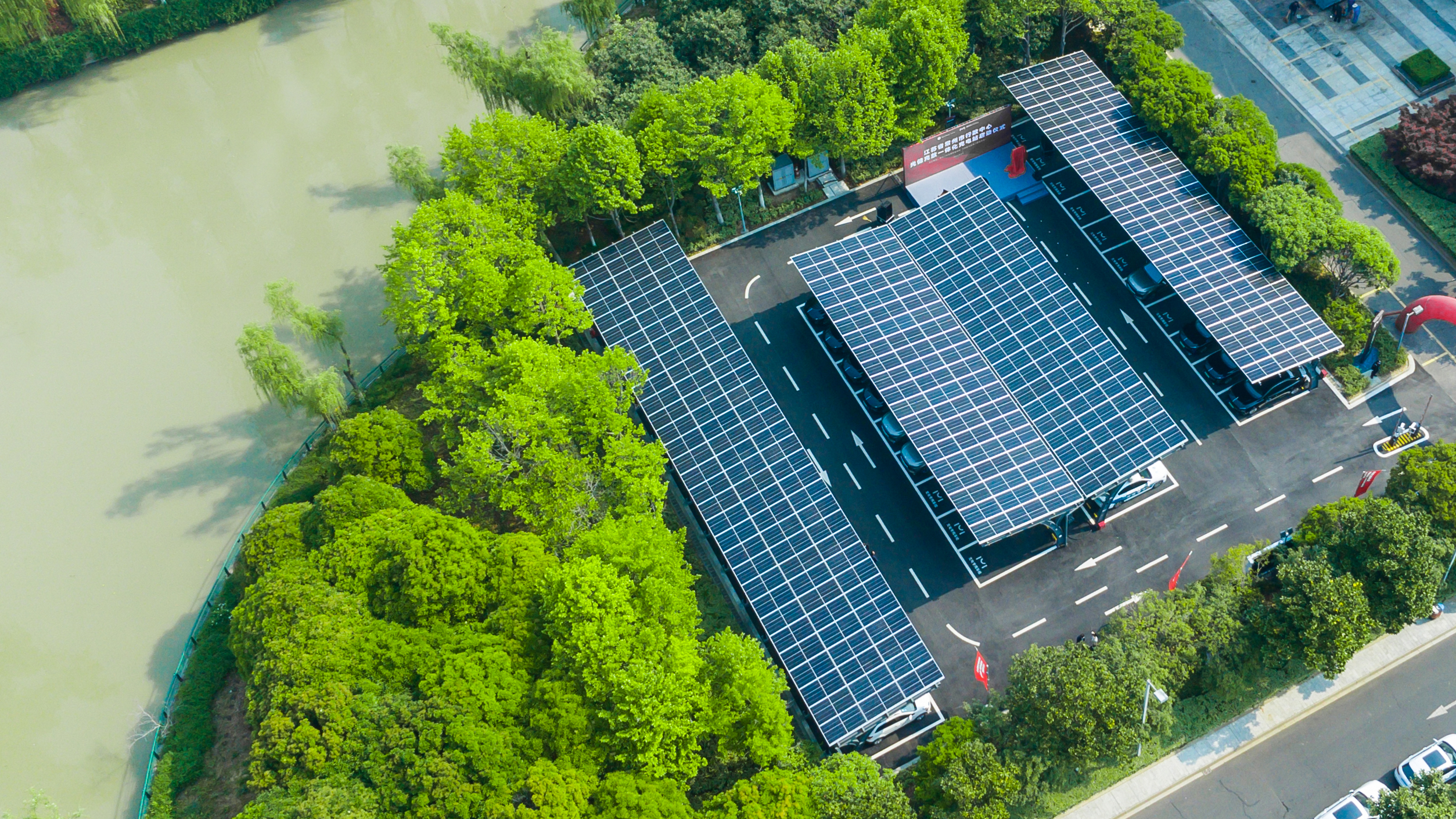
V2G (vehicle-to-grid) technology enables two-way interaction between EVs and the power grid. In such a system, an EV can not only charge from the grid but also feed the electricity in its onboard battery back to the grid, serving as backup power or helping to balance grid load. V2G technology helps the grid balance supply and demand, improves grid stability, and offers EV owners economic returns from feeding power back. A key component of the smart grid, this technology supports the energy transition and the efficient use of renewable energy.
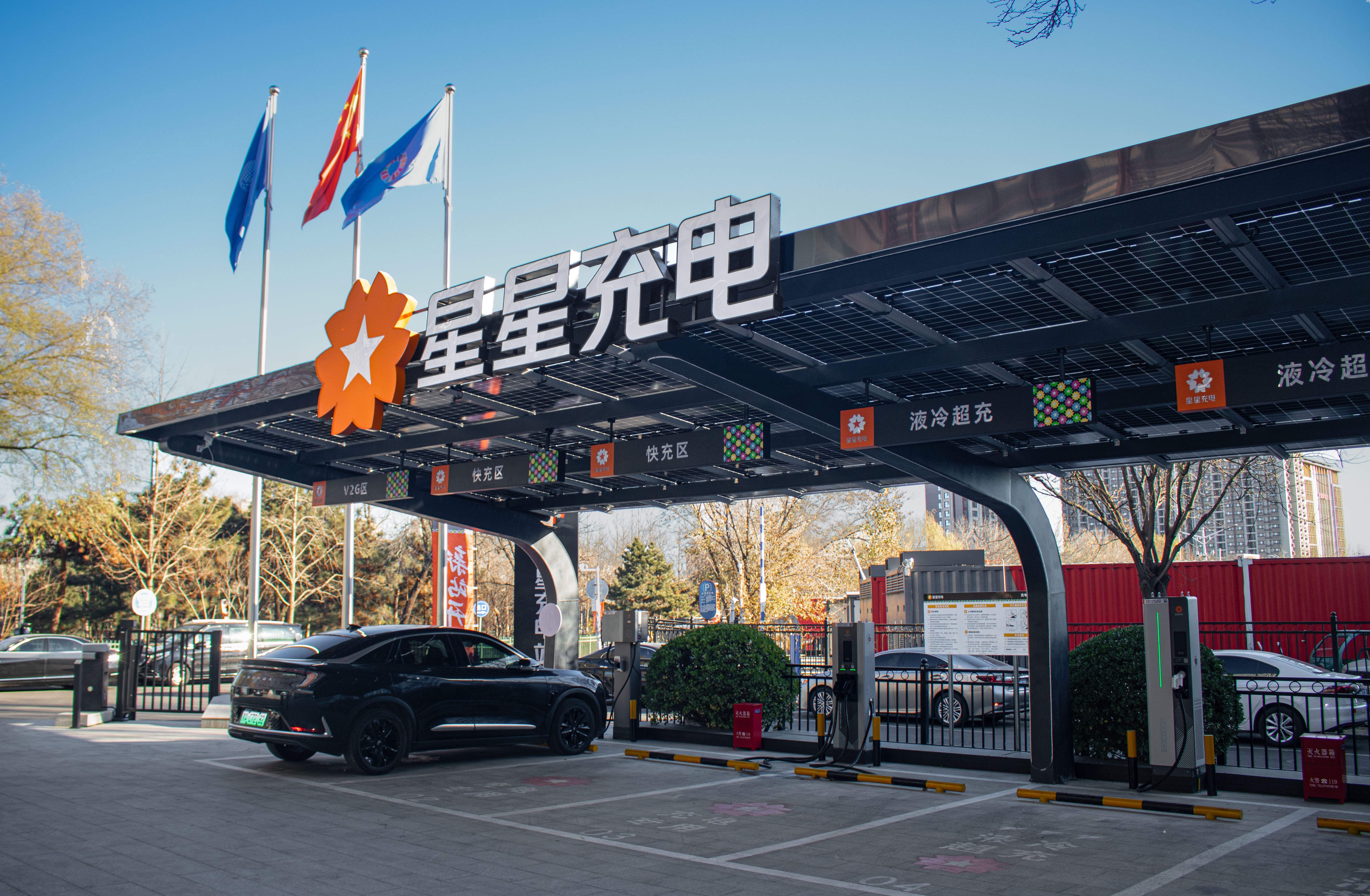
A considerable number of integrated PV-storage-charging projects have been built across the country. After analyzing the operational data of some of these projects, how to better achieve sustained profitability is a topic worth in-depth discussion. Unlike PV-storage projects inside factory industrial parks, integrated PV-storage-charging stations have highly variable load curves and are susceptible to electricity price fluctuations. These uncertainties pose major challenges to traditional manual scheduling operations. StarCharge's smart energy operations platform incorporates big data and artificial intelligence, using intelligent models to forecast key data such as future power generation and charging volumes, dynamically adjusting energy storage operating strategies, and combining charging user operations, PV-storage operations and virtual power plant trading to achieve coordinated three-network operations, thereby significantly improving operational returns.
02
Successfully Deployed Cases Offer Greater Reference Value
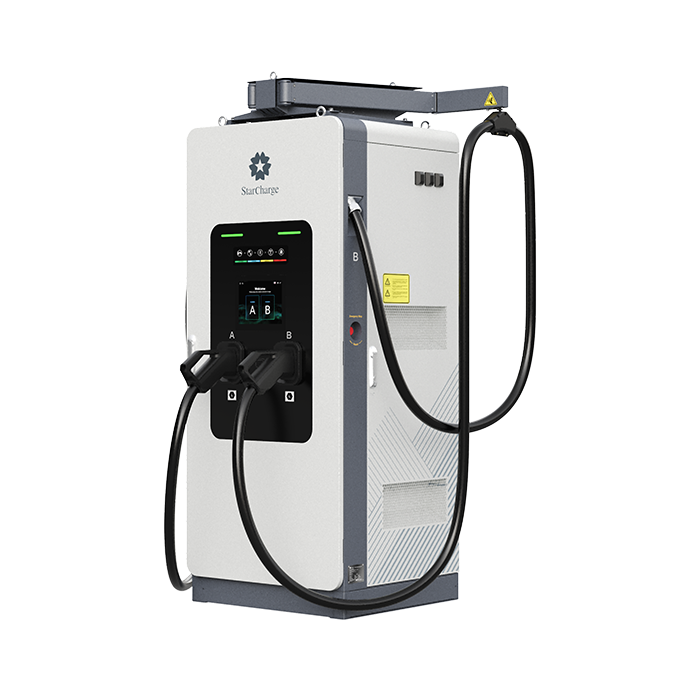
The StarCharge EV charging station at No. 443 Jianding Road, Shangcheng District, Hangzhou, is one of the few full-format centralized 'PV-storage-charging-discharging-swapping-testing' demonstration stations in China. Covering approximately 15 mu (about 10,000 m²), the station has a total charging pile power of 7440kW with 148 charging spaces, able to simultaneously meet the charging needs of 148 new energy vehicles. It features one 480kW liquid-cooled ultra-fast charging unit with a maximum single-gun output power of 480kW; paired with liquid-cooled charging terminals, its rated output current reaches 600A and it supports short-term output capability of 700A or even 800A, easily achieving the effect of '3 minutes of charging for 400 li (about 200 km) of range' and bringing charging speed infinitely close to refueling speed.
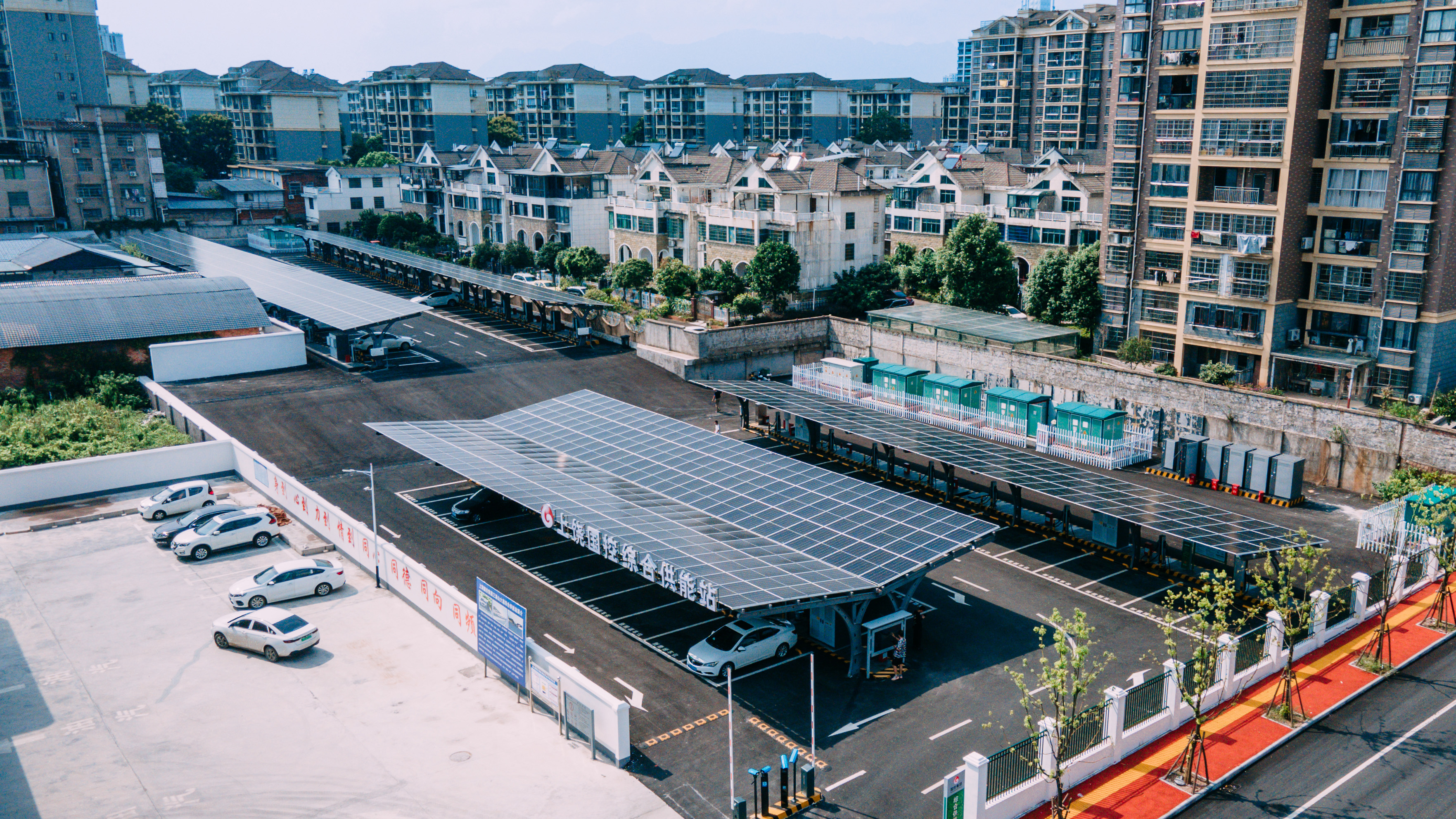
The 'integrated energy supply station' on Sanqingshan Avenue in Shangrao, Jiangxi, is currently the most energy-scenario-rich and largest integrated energy project in China. StarCharge completed the overall solution design and delivery for this integrated energy project, supporting the high-quality development of Shangrao Guokong's charging and energy businesses. Integrating 'refueling, gas filling, PV power generation, energy storage, charging and battery swapping' in one station, and using flexible energy control strategies via StarCharge's smart energy operations management platform, the entire station can ultimately run in an intelligent, safe, efficient, low-carbon or even 'zero-carbon' manner, helping Shangrao build a new city landmark and accelerate the achievement of the city's 'dual carbon' goals.
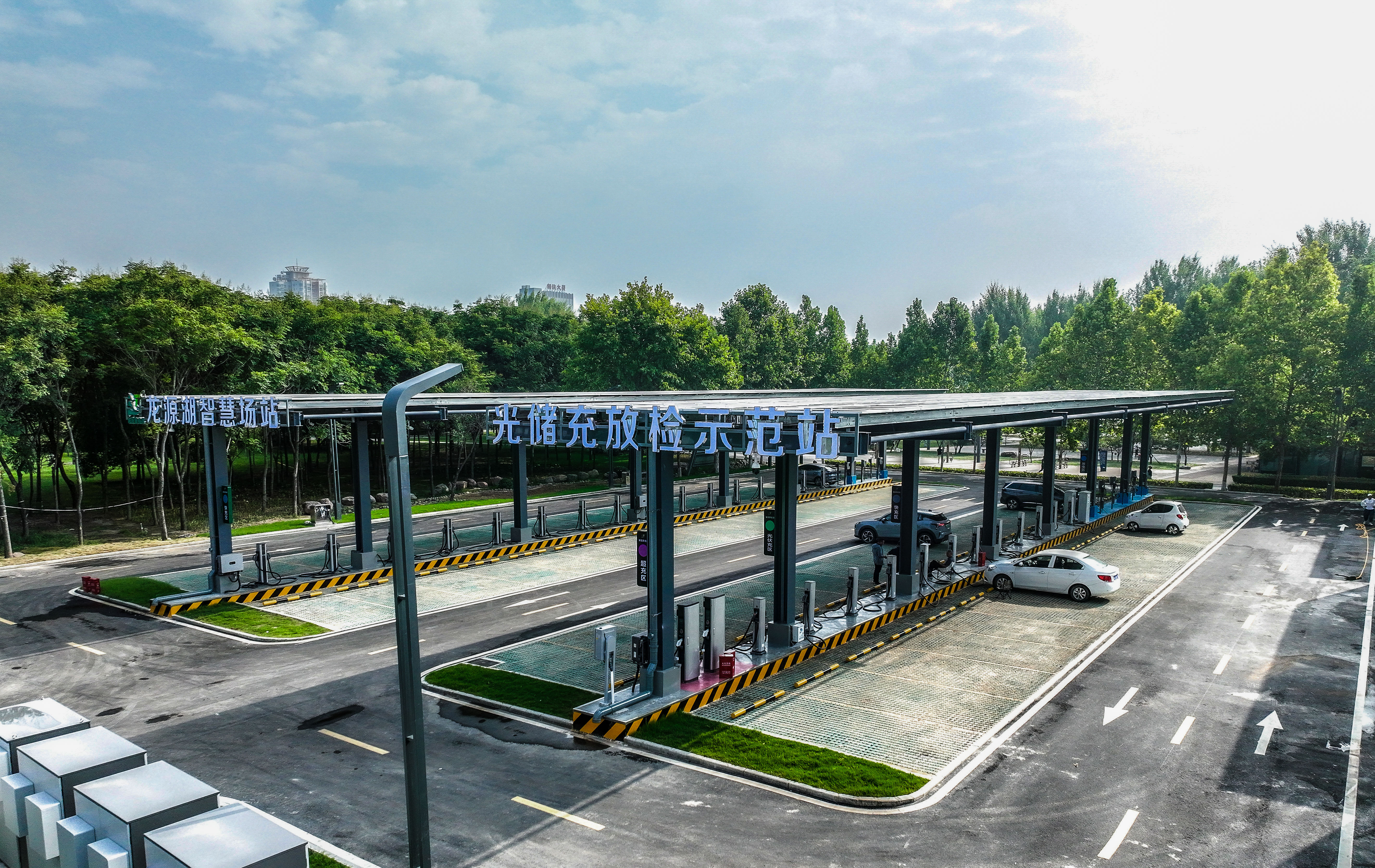
Henan Province's first integrated 'PV-storage-charging-discharging-testing' smart station. The station integrates a PV power generation system, an energy storage system, a power-pool (liquid-cooled included) ultra-fast charging system, a vehicle-grid interaction bidirectional charging system, a battery testing system and an integrated energy management platform. It is equipped with StarCharge's self-developed products, including 480kw liquid-cooled super charging equipment, 360/480kw high-power split-type charging equipment and V2G bidirectional DC charging equipment, and can simultaneously meet the charging needs of 76 EVs.
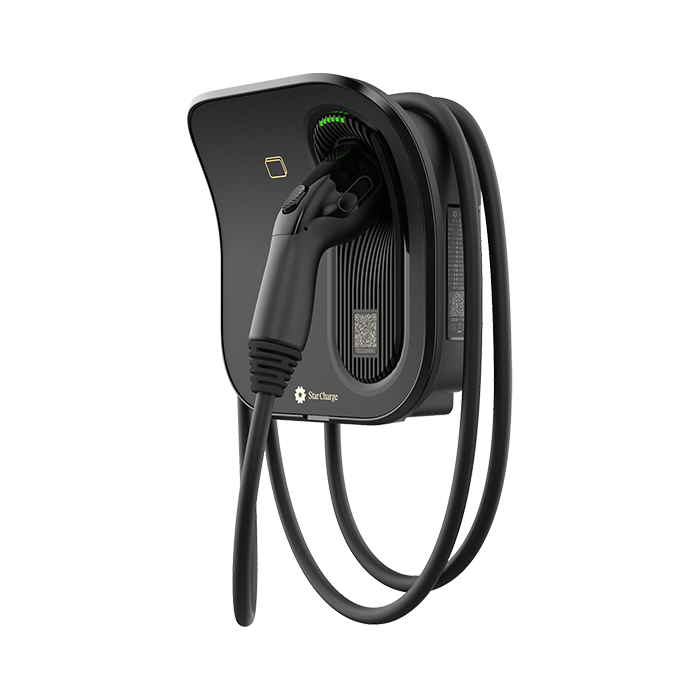
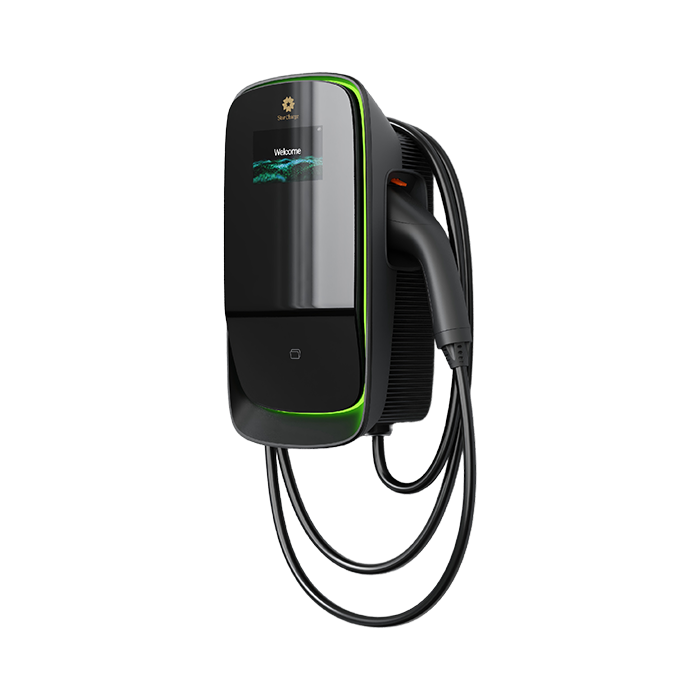
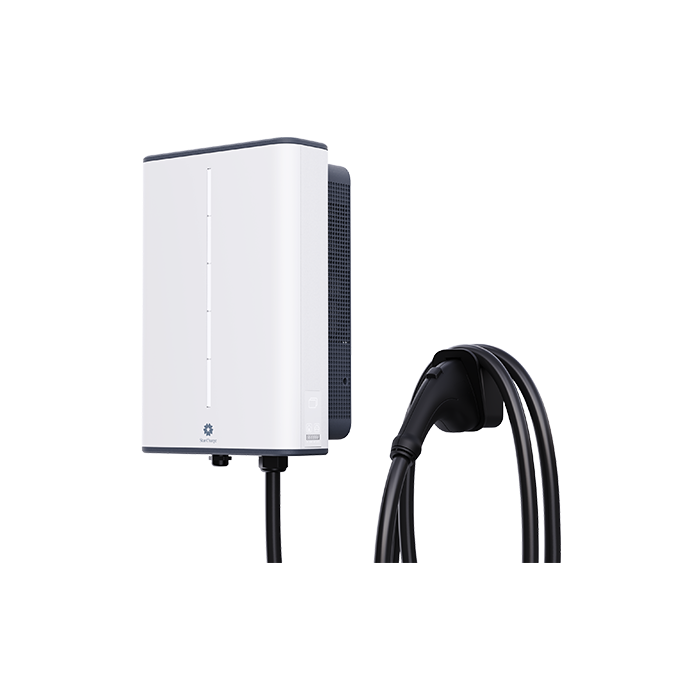
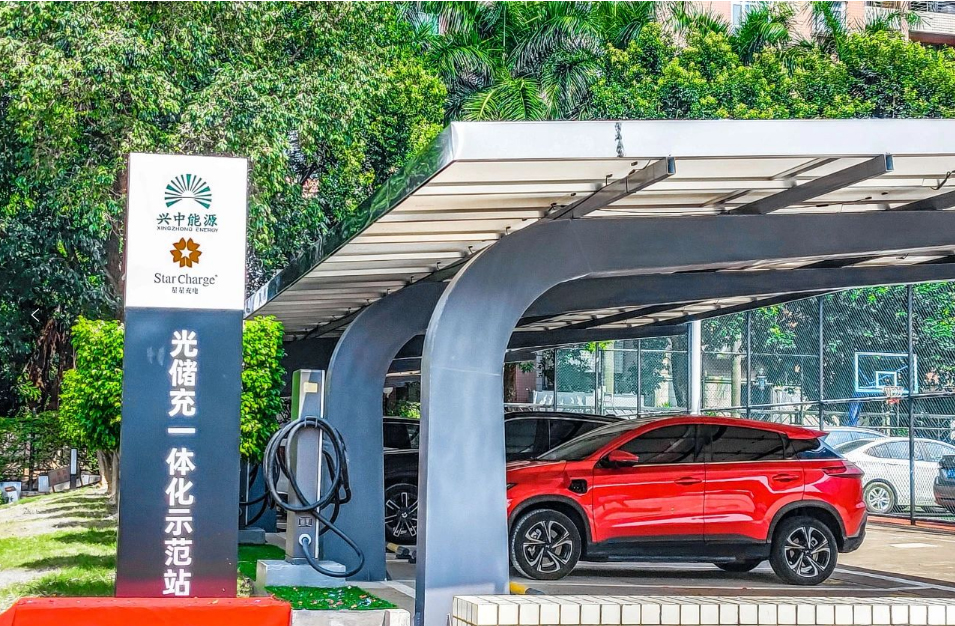
The Xingzhong Yuzhong Building PV-storage-charging station in Zhongshan, Guangdong: this station is equipped with four Internet Gen-2 7kW AC charging piles to meet the slow-charging needs of some vehicles, plus a set of 360kW*1-to-8 split DC charging piles (one power cabinet + 8 terminals) that provide fast charging services for more vehicles, matching the charging needs of different vehicles and thus improving charging pile utilization. The station also employs a CCS energy management system, which manages and controls the power of all charging piles station-wide as a group, helping the station achieve dynamic capacity expansion and higher charging efficiency while avoiding the penalty risk of equipment exceeding capacity limits. In addition, the deployment of smart barrier gates has effectively eliminated fuel-vehicle space occupation, further raising the actual utilization of the charging piles. The station also features PV carports, achieving a measure of sustainable energy use.
Going forward, StarCharge will continue to deepen cooperation with all parties to jointly build a better charging and battery-swapping ecosystem, actively explore new business models and application scenarios, promote the large-scale application of integrated PV-storage-charging projects, and contribute more to achieving green, low-carbon development goals.
03
Seeing It On-Site Beats Hearing About It a Hundred Times