Recently, the sudden rise of Deepseek has brought unprecedented attention to artificial intelligence (AI) technology in China and is reshaping industry after industry at an unprecedented pace. In the energy sector, the deep integration of AI with scenario-based microgrids will drive energy systems toward greater intelligence, efficiency, and safety, bringing users an unprecedented energy service experience. As a leading company in the field of scenario-based microgrids, StarCharge has been actively exploring AI applications in recent years, committed to building a new smart energy ecosystem.
01 AI Makes Scenario-Based Microgrids Smarter
Traditional energy systems often suffer from information silos and low dispatching efficiency. The introduction of AI equips scenario-based microgrids with a 'smart brain', endowing them with stronger perception, analysis, and decision-making capabilities. Intelligent forecasting for precise supply-demand matching: AI algorithms can analyze historical data, weather conditions, user energy behavior, and other factors to accurately forecast future energy demand, enabling intelligent scheduling of power generation, energy storage, and electricity use to maximize energy utilization efficiency. For example, in an industrial park, AI can adjust the microgrid's operating strategy in advance based on production plans, weather forecasts, and other data to ensure stable and reliable power for production. Intelligent diagnostics to safeguard stable system operation: AI can monitor the operating status of scenario-based microgrids in real time, promptly detect hidden equipment faults, and automatically perform fault diagnosis and early warning, ensuring safe and stable system operation. For example, in a commercial complex, AI can monitor the operating status of power distribution equipment in real time, spot potential faults promptly, and prevent power outages. Intelligent optimization to reduce energy costs: AI algorithms can automatically adjust energy scheduling strategies based on real-time electricity prices, user demand, and other factors, helping users lower energy costs and maximize economic returns. For example, in a data center, AI can dynamically adjust the cooling system's operating strategy according to server load, reducing the data center's energy consumption.
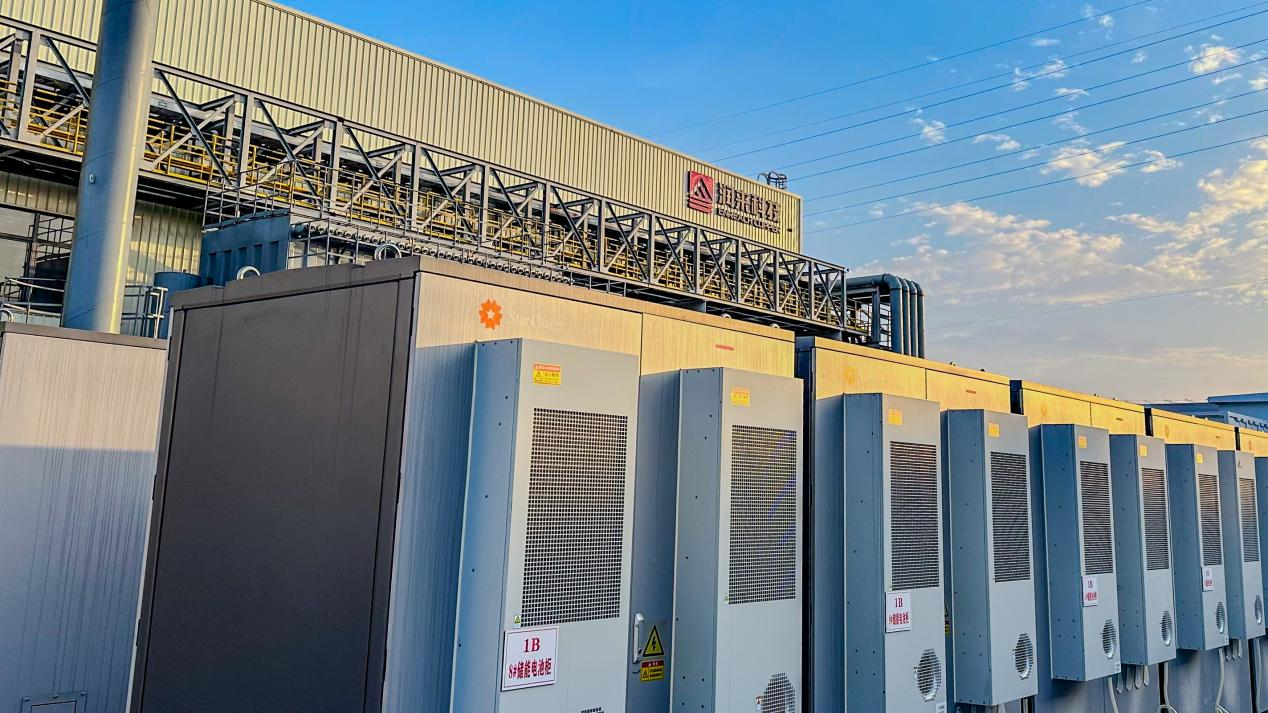
StarCharge Runlai Technology Intelligent Microgrid Project
02 AI Keeps Expanding the Application Scenarios of Scenario-Based Microgrids
The application of AI has opened up broader space for scenario-based microgrids, enabling them to better meet energy needs in different settings. Industrial parks: AI + scenario-based microgrids can help industrial parks achieve refined energy management, reduce energy costs, and improve energy utilization efficiency. For example, at the Fengxiang Technology Park in Jiangsu, StarCharge used AI algorithms to optimize the scheduling of distributed energy within the park, cutting annual energy costs by about 45% and carbon emissions by about 80% and bringing the park close to zero carbon. Standalone commercial buildings: AI + scenario-based microgrids can provide commercial complexes with a safe and reliable energy supply and enhance the user's energy experience. For example, in the Kensiyuan training building, StarCharge achieved 100% green electricity for the building through AI + microgrid technology, truly delivering technology-enabled environmental protection. Data centers: AI + scenario-based microgrids can help data centers reduce energy consumption and improve energy utilization efficiency. For example, in a data center project, AI algorithms were used to optimize the operating strategy of the cooling system, lowering the data center's PUE by about 0.1. Remote areas: AI + scenario-based microgrids can provide remote areas with a stable and reliable power supply, improving local residents' living conditions. For example, at Nailang Temple, at an altitude of 4,100 meters, StarCharge used AI for remote monitoring and maintenance of the microgrid, enabling the entire project to operate truly off-grid and improving local living conditions. Challenges and opportunities coexist, and AI + scenario-based microgrids have a promising future. Although AI technology shows enormous potential in the field of scenario-based microgrids, its application still faces challenges such as data security, algorithm reliability, and talent development. In the future, governments, enterprises, research institutions, and other stakeholders must work together to promote the deep integration and application of AI technology in scenario-based microgrids.
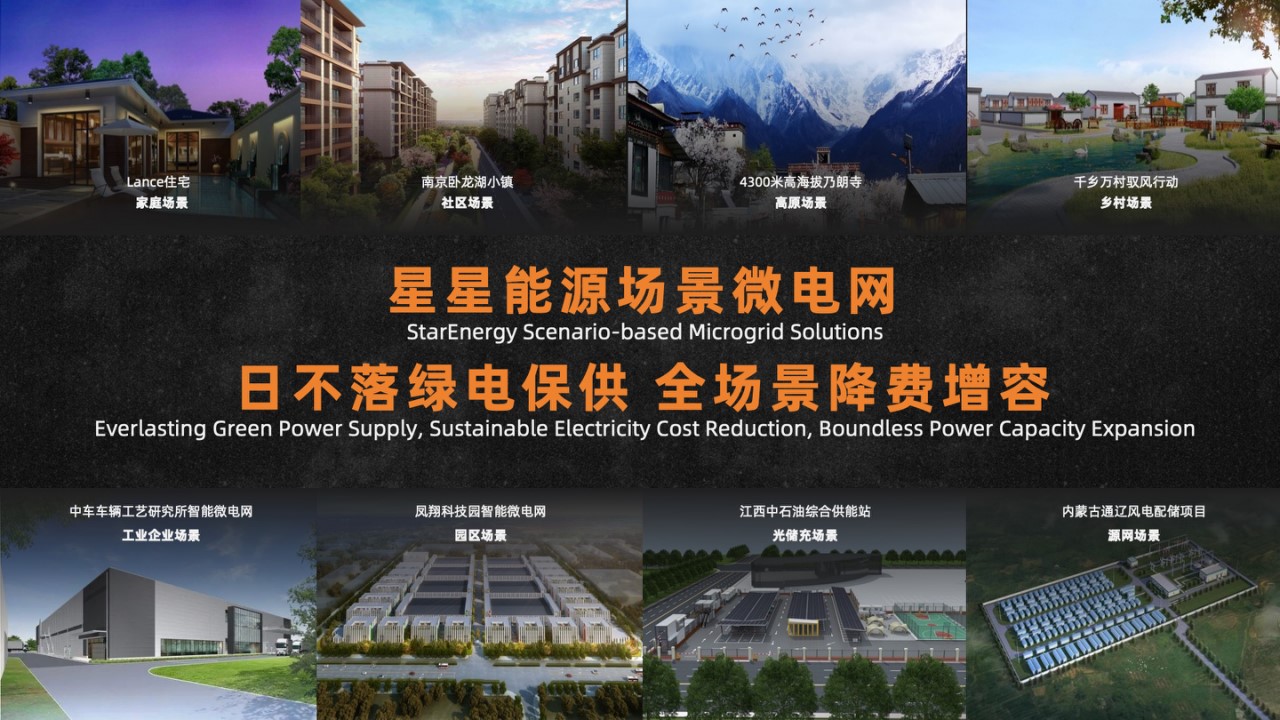
StarCharge's Eight Core Microgrid Scenarios
03 StarCharge Actively Embraces AI Technology to Build a New Benchmark for Smart Energy
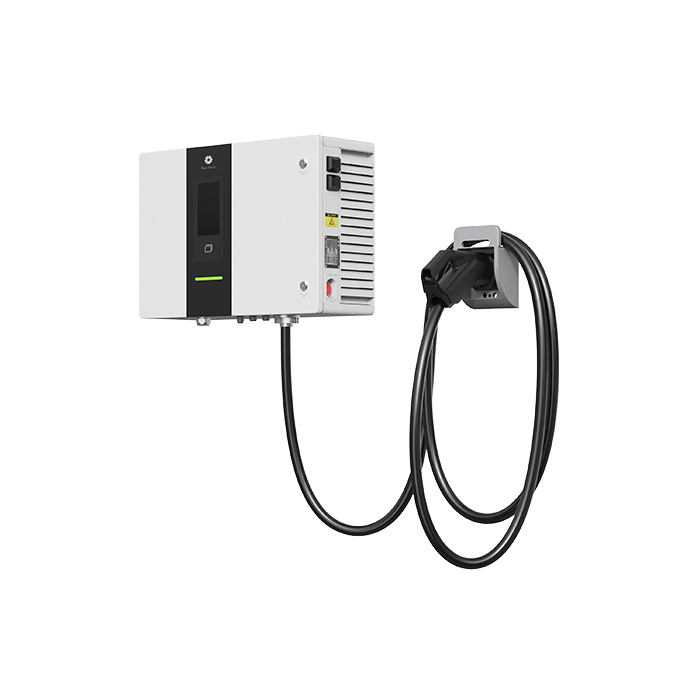
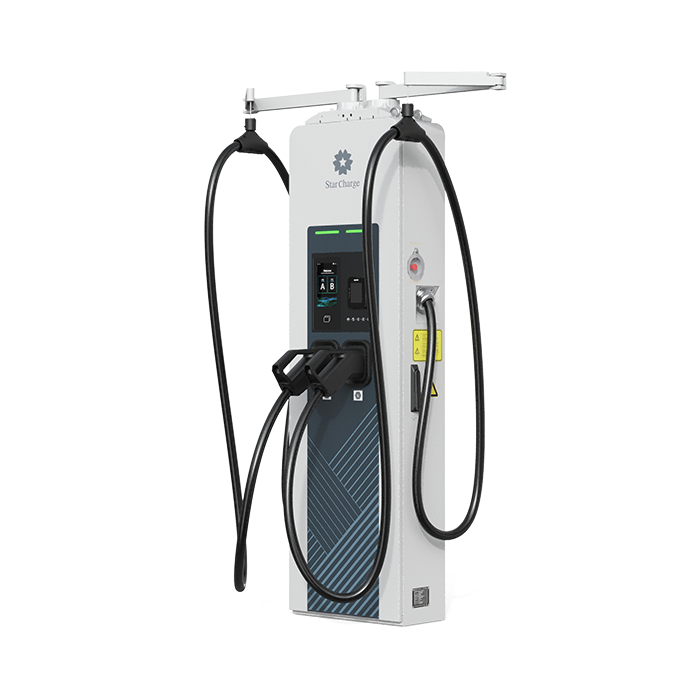
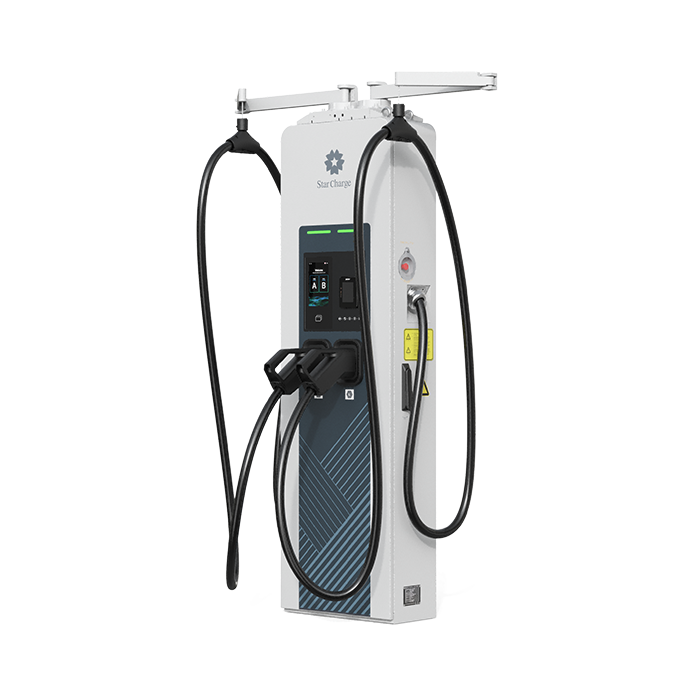
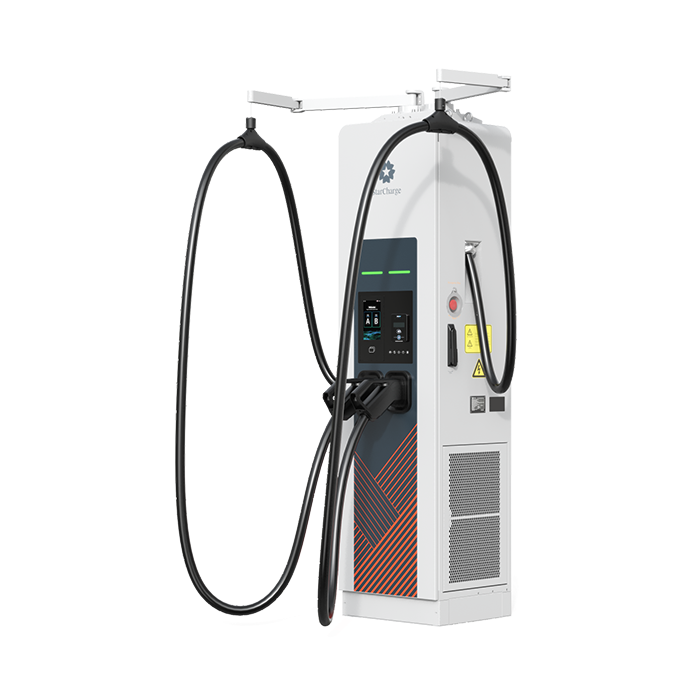
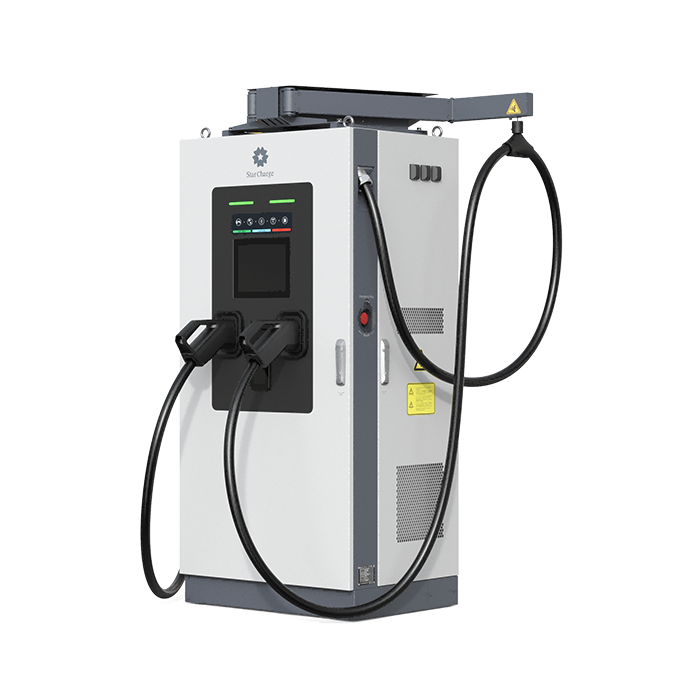
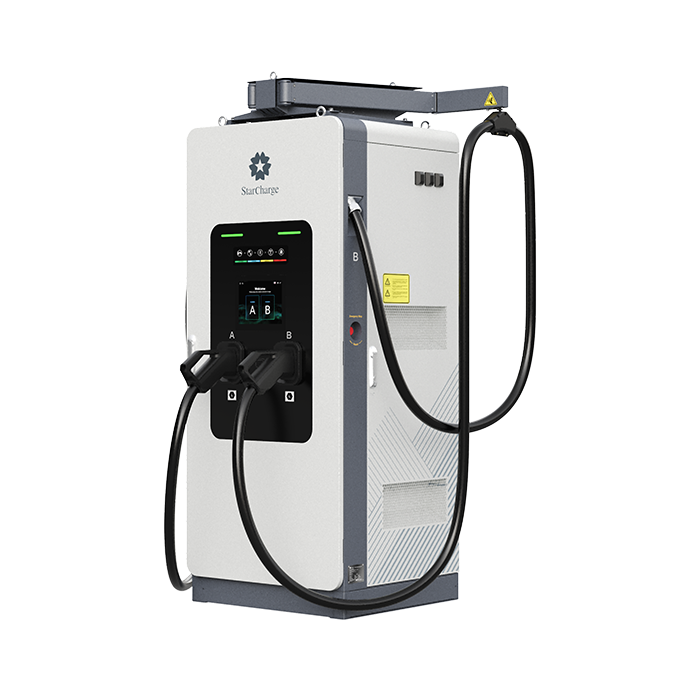
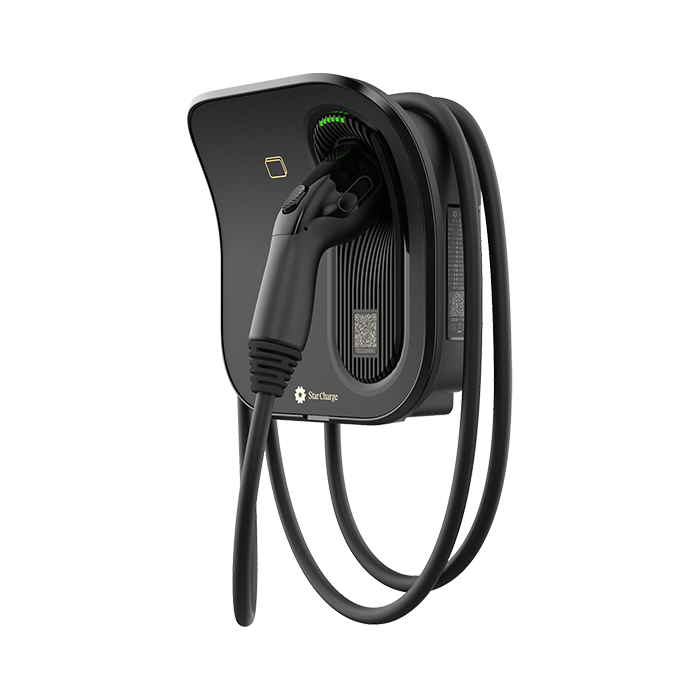
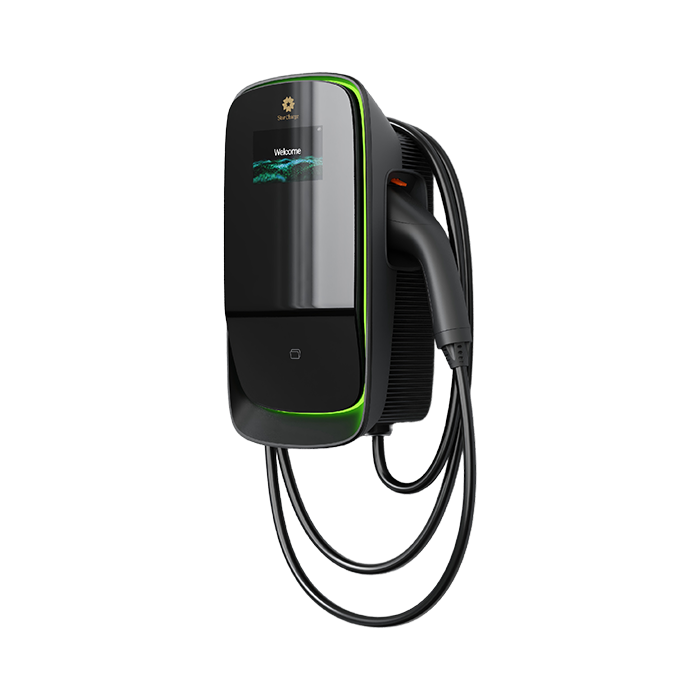
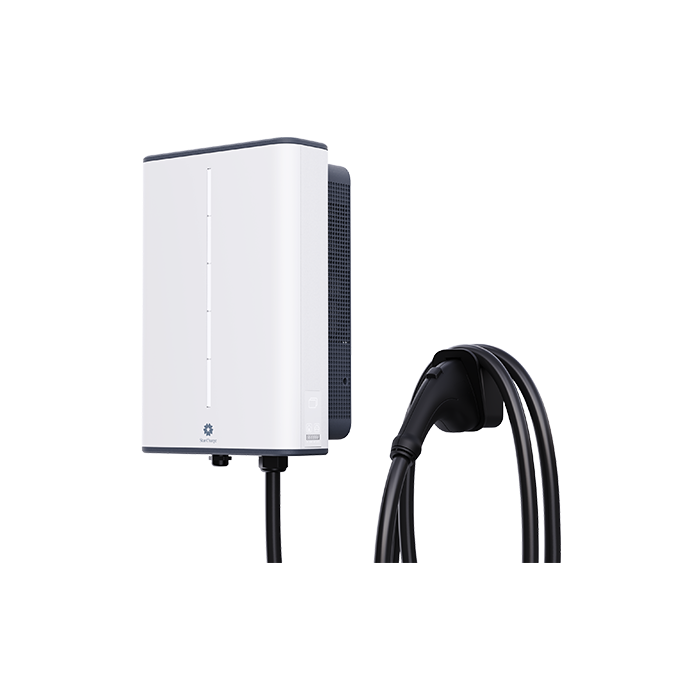
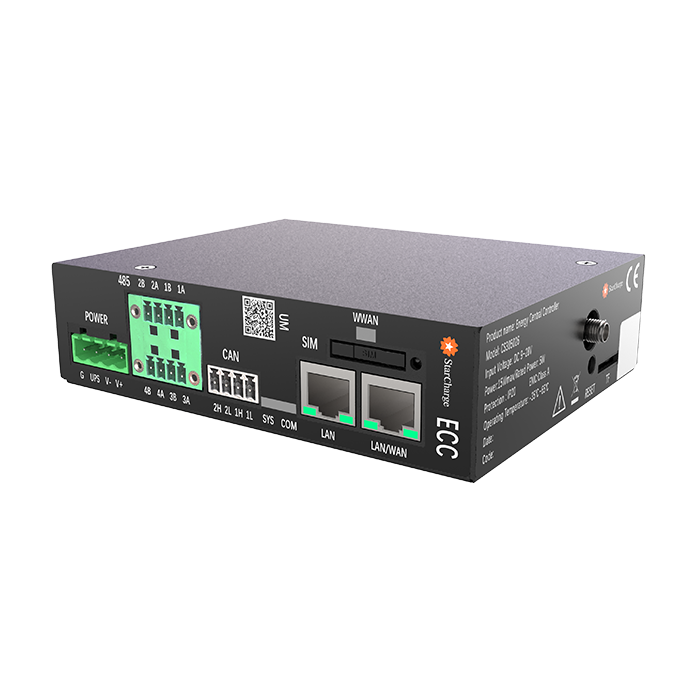
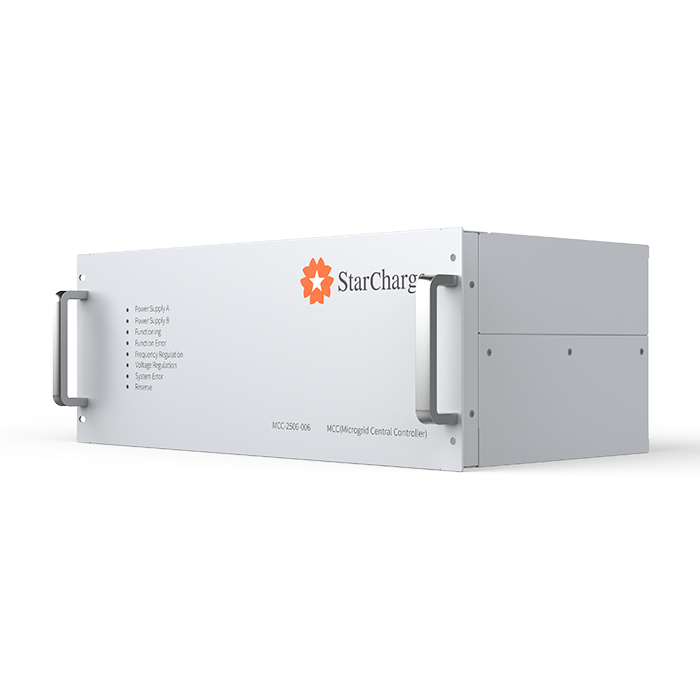
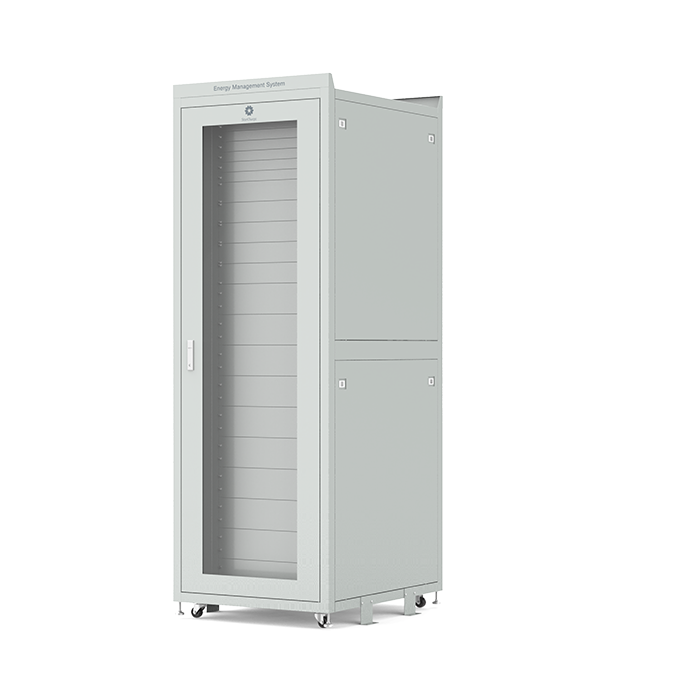
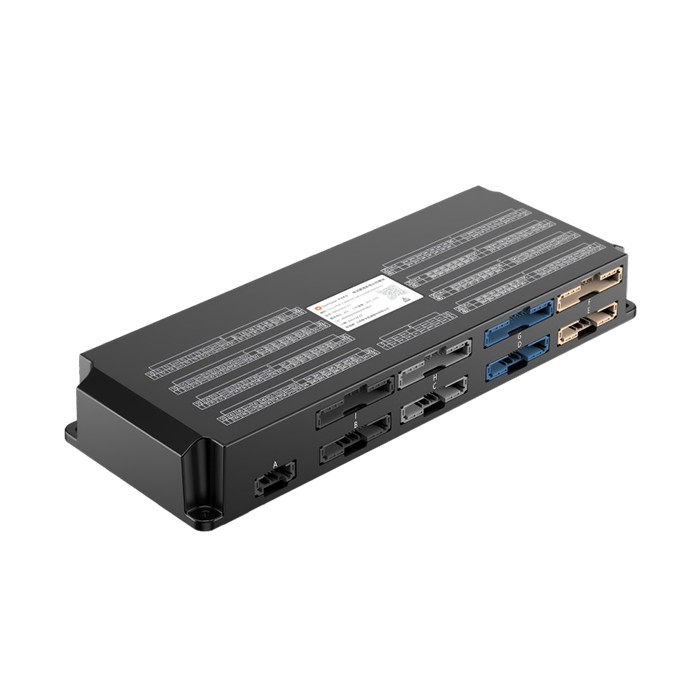
As a leading company in the field of scenario-based microgrids, StarCharge actively embraces AI technology, applying it to every link of its scenario-based microgrids to provide users with better energy services. Independently developed AI algorithms and a smart energy management platform: StarCharge has assembled a professional AI R&D team, independently developed AI algorithms suited to scenario-based microgrids, and built a smart energy management platform for the intelligent management of energy systems. AI + energy storage to enhance system flexibility and economics: StarCharge applies AI to energy storage systems, achieving intelligent charge-discharge control of storage equipment, improving system flexibility, and reducing energy costs. AI + charging piles to create an intelligent charging experience: StarCharge applies AI to charging piles, enabling intelligent dispatching, fault diagnosis, and remote maintenance, and giving users a more convenient and safer charging experience. StarCharge can now use AI for intelligent charging dispatching, user behavior analysis, predictive equipment maintenance, energy management, autonomous-driving coordination, security monitoring, and data analytics. At the same time, it continues to use AI to improve microgrid efficiency, enhance user experience, and reduce operating costs, while achieving intelligent and efficient synergy between hardware and the grid, driving energy services toward greater intelligence and efficiency.