On November 7, the StarCharge Sumeru Summit grandly returned. As a leading enterprise in the charging industry, every step StarCharge takes draws keen attention! And as the stage where StarCharge centrally unveils its recent breakthroughs in technology, products, and operations, the Sumeru Summit has drawn the eyes of government, industry, media, and many other parties.
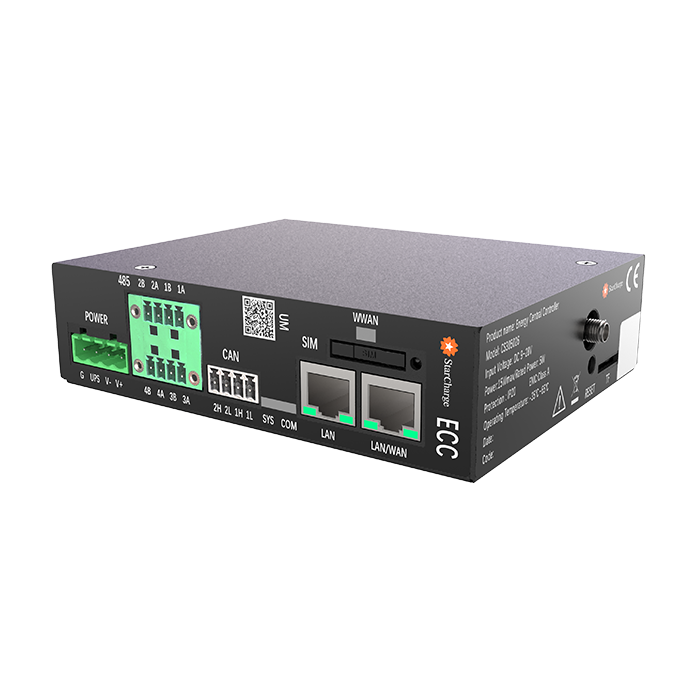
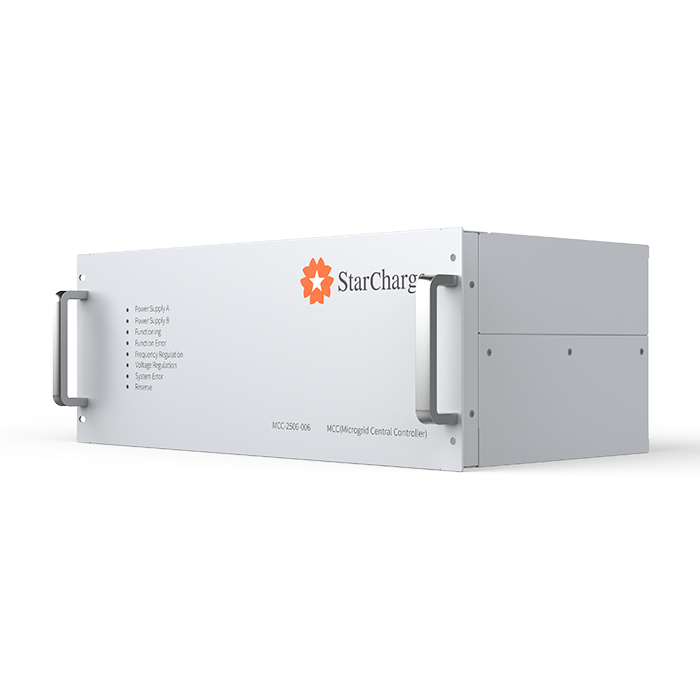
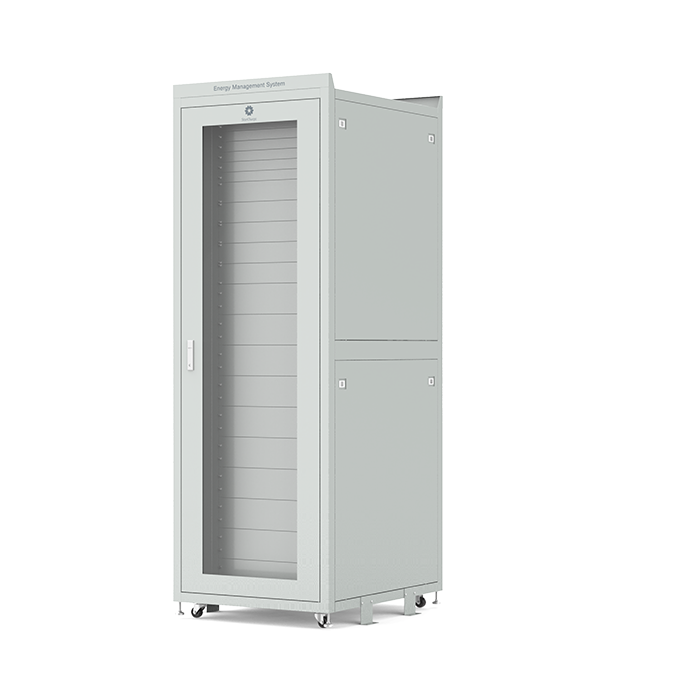
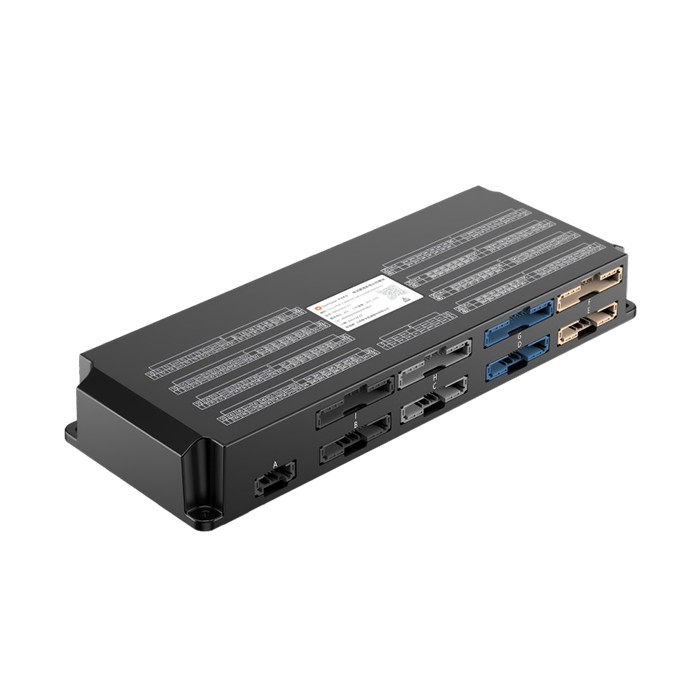
At this summit, eight hardware technology gurus shared hardware technologies and latest achievements for intelligent microgrids across various scenarios around the core theme of 'no isolated energy grids,' while the Cloud Platform Business Center simultaneously released its latest cloud-based microgrid technology. The two hardcore launches stirred wave after wave of excitement on site; beyond these, several other initiatives also drew attention.
01 Launch of the Energy-Carbon SAAS Platform
Carbon inventory, carbon footprint, carbon certification, carbon tariff, carbon allowance, carbon asset, carbon trading...
A lack of standards, methods, tools, talent, data, operations, and ecosystem...
What is the efficient solution? Full value-chain digitalization is the only way forward!
Free carbon inventory, interconnected carbon standards, shared carbon data, online carbon certification, autonomous carbon trading, and a jointly built carbon ecosystem — truly making carbon inclusion a reality! This is the goal of all enterprises, and it is also the goal of the StarCharge Energy-Carbon SaaS Platform!
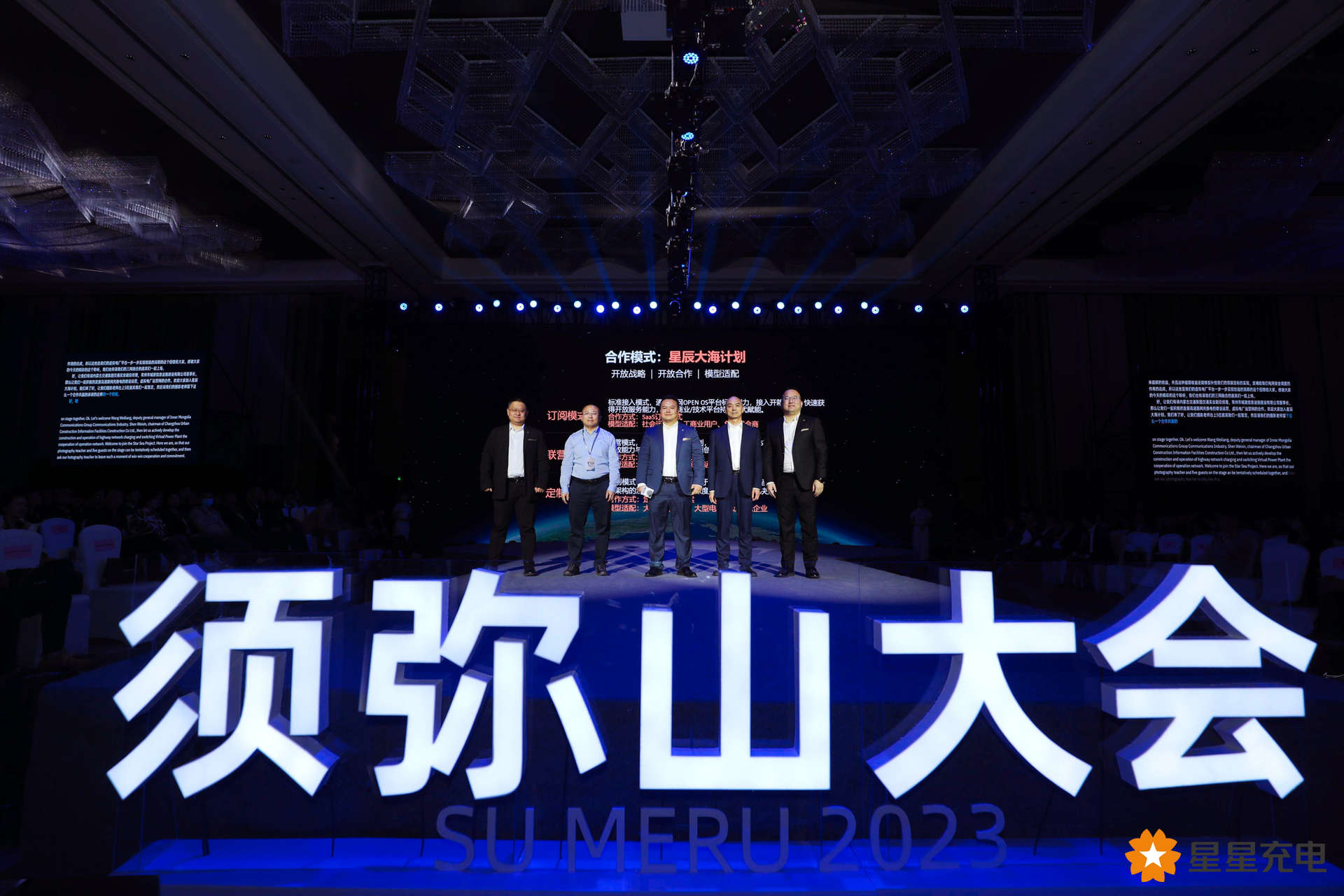
Led by the Vice Chairman of Wanbang Digital Energy Co., Ltd., Xiong Yi, Senior Vice President of Schneider Electric; Xu Jun, Director of the China Quality Certification Centre (CQC); Li Weichun, Vice President of TÜV Rheinland; and Yu Jin, Co-founder of Menglang, took the stage together to jointly witness the launch of the StarCharge Energy-Carbon SAAS Platform!
Digitalizing carbon rights, benefiting all of society!
02 Launch of the 'Three-Network Openness' Business Strategy
Ms. Shao Danwei, Chairwoman of Wanbang Digital Energy Co., Ltd. and founder of StarCharge, stated in her opening remarks that openness will be the most important business development strategy throughout the entire lifecycle of Wanbang Digital Energy. Afterwards, Li Tao, Senior Vice President of Wanbang Digital Energy Co., Ltd.; Chen Mingjun, General Manager of the Technology Development Center of Wanbang Digital Energy Co., Ltd.; and Niu Lei, General Manager of the Energy Cloud Business Center of Wanbang Digital Energy Co., Ltd., took the stage together to launch StarCharge's three-network openness business ecosystem strategy.
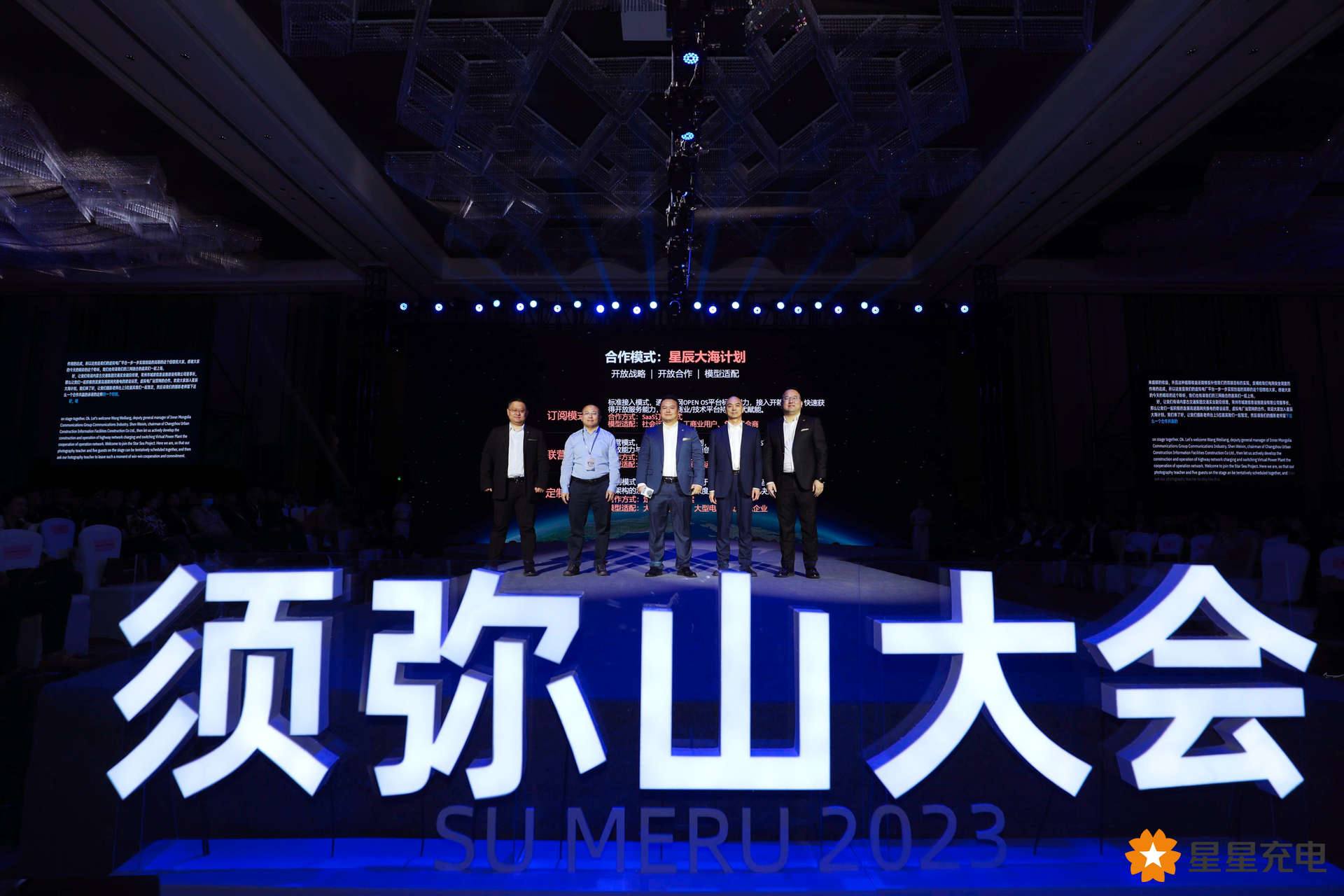
Drawing on nearly a decade of its own experience, combining software and hardware, algorithms, and native service capabilities, StarCharge is building an inclusive three-network openness business ecosystem.
StarCharge defines the charging network as the open operating system of the future, the Open OS; its microgrid will likewise become the inclusive open operating system of the future, the Open OS; and the virtual power plant operating network, the main focus of aggregation today, will become the inclusive Open OS of the future. These three open operating systems will jointly build the operating framework of the future, making business operations inclusive as well.
Charging network OPEN OS + microgrid OPEN OS + virtual power plant operating network OPEN OS — these three open operating systems will jointly build the operating framework of the future, making business operations inclusive as well.
StarCharge looks forward to more partners joining it in the future to form a green development ecosystem that is more open, shared, cooperative, and win-win, jointly participating in the construction of the charging network, microgrids, and the virtual power plant operating network, and making greater contributions to the energy transition.
03 Premium Brand Stations: Look Here
Automaker-branded stations are gradually moving from brand-exclusive to open access. Against this trend, how can operators go further and more steadily? And what should the operating strategy for mid-to-high-end brand stations be in the future? On this point, Wang Lei, Senior Vice President of Wanbang Digital Energy Co., Ltd., who has deep experience in both the automotive and new energy industries, has done considerable research.
He pointed out: a growing number of automakers are joining the ranks of those building and opening branded charging stations, enriching the public charging network. But in the deployment and operation of premium stations, pain points such as construction costs, site-selection difficulties, and tough operations are becoming increasingly prominent.
Guided by the operating core of 'openness,' StarCharge is willing to open all the capabilities it has accumulated over the years — station operating strategies, site-selection models, O&M models, pricing models, operating models, and more — to the market and to customers, module by module.
On site, Mr. Wang Lei called on the city investment and transportation investment companies from various regions present to release their resources and cooperate with StarCharge to build more premium brand stations; he also welcomed all automaker brands to build stations in partnership with StarCharge, while simultaneously disclosing StarCharge's many flexible cooperation models — including leasing, joint construction, and whole-station ETC + ETCO — to better help brand stations advance steadily toward the high end.
04 Charging Operations in the Era of Private Cars
With the rapid development of China's new energy industry, the construction of charging infrastructure has drawn wide attention from all of society, and operators of new energy charging facilities are being tested by the entire industry. Mr. Zhai Shiqing, Chief Operating Officer of the Cloud Business Center of Wanbang Digital Energy, gave a themed sharing session on charging operations in the era of private cars.
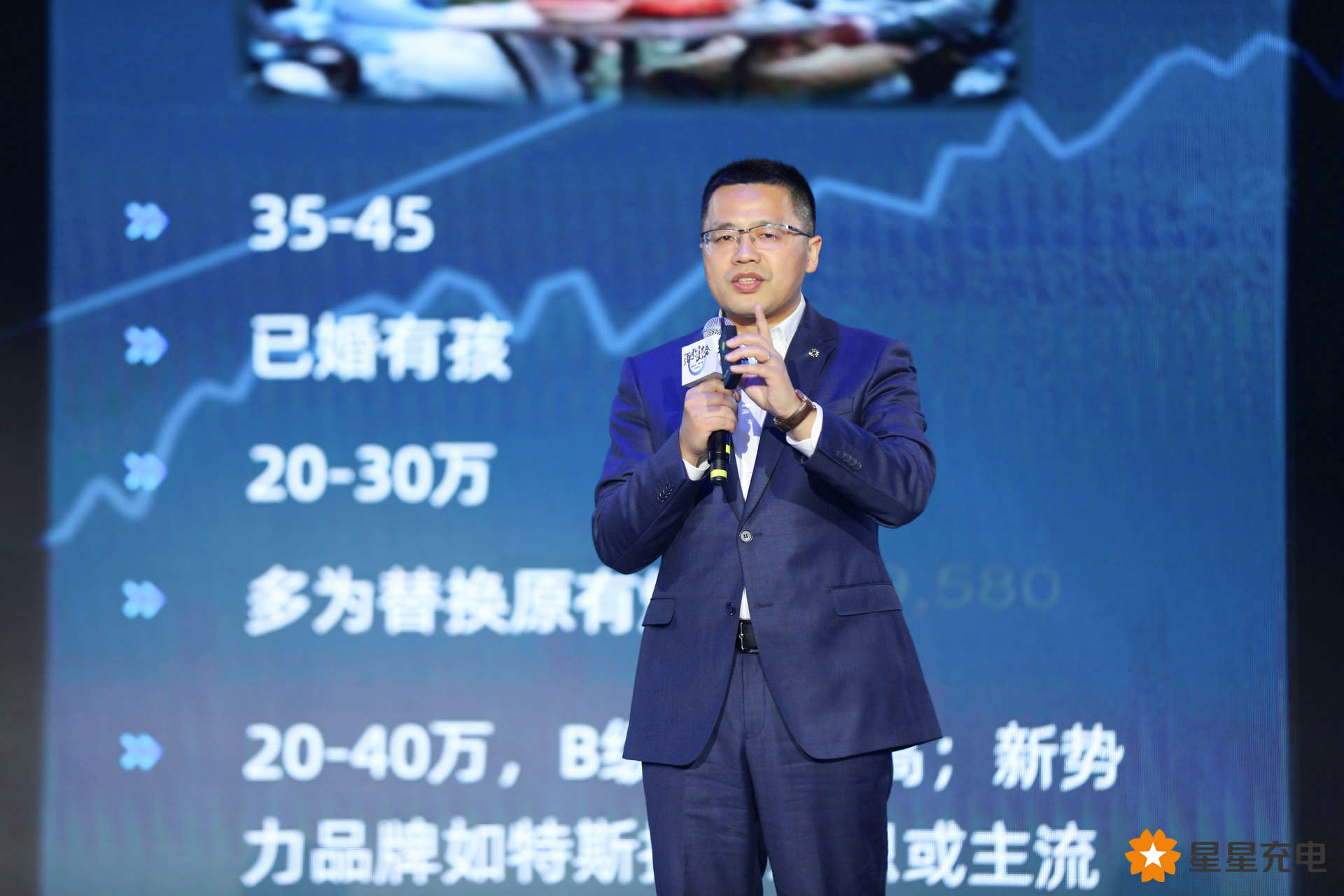
Mr. Zhai Shiqing believes that, in terms of the common characteristics of private cars overall, users charge along the tracks of their daily routines, emphasizing convenience and certainty, and only accept a premium when certain conditions are met. However, as the private-car customer base upgrades, high-spending groups will gradually increase, demanding higher-quality charging services while becoming less price-sensitive.
By matching the nine main private-car charging scenarios against charging distance and charging needs, we find that private car users show a clear preference for charging stations at residences and destinations.
Based on the above analysis, StarCharge has launched community charging stations, the mainstay product for private-car scenarios.
Private-car customer groups do in fact have scenario preferences. The functional family segment, currently the largest, favors charging at their residence; this group is relatively price-sensitive and values economy more. Middle-class families may lean more toward supermarket and mall charging stations, while quality-oriented families may favor ultra-fast charging stations.
Through scenario analysis of each customer group and calculations on existing charging stations, StarCharge has determined that community stations, workplace stations, and residential-complex public charging stations are the three core scenarios for private-car charging at present.
In the era of private cars, how should stations be built? In the past, most operators calculated costs for station construction on a single-point basis — equipment prices, construction costs, or site rents — but this fails to build charging assets as revenue-generating assets. StarCharge recommends that station investment and construction measure charging returns over the full lifecycle.
The changing profile of investors — the entry of state-owned enterprises, especially local SOEs and national energy companies — has in fact driven the separation of operations and investment. All investment calculations must therefore focus on full-lifecycle investment assessment.
Operations entering the era of private cars will be data-driven, because the demands of private-car customers are more discrete. If operators still rely on revenue from commercial vehicles, they will inevitably pay higher costs. Based on model calculations, we need precision marketing to reduce costs, and we need more differentiated services for private-car customer groups.
Commercial vehicle customers most want our station service staff to communicate with them, but private car users are different: what they want is undisturbed, precise service. So in entering private-car operations, StarCharge prefers to be driven by intelligent operational data, boosting the operating performance of stations.