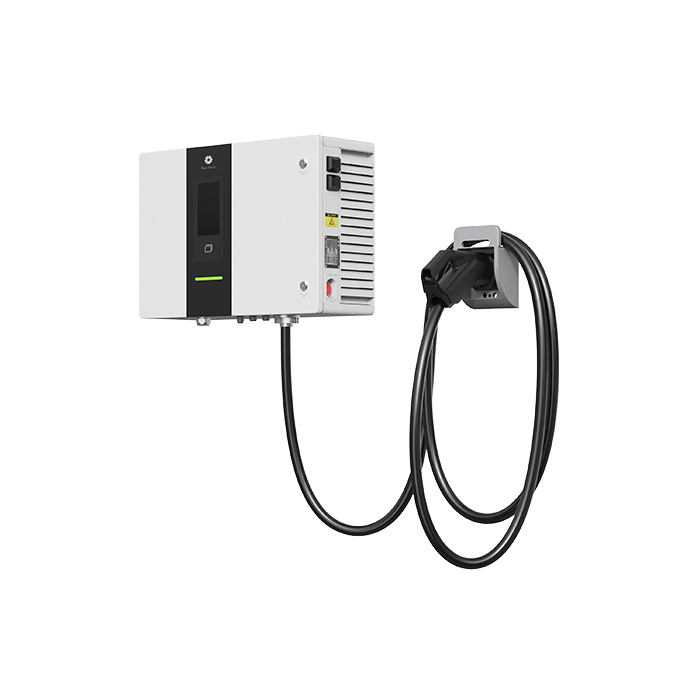
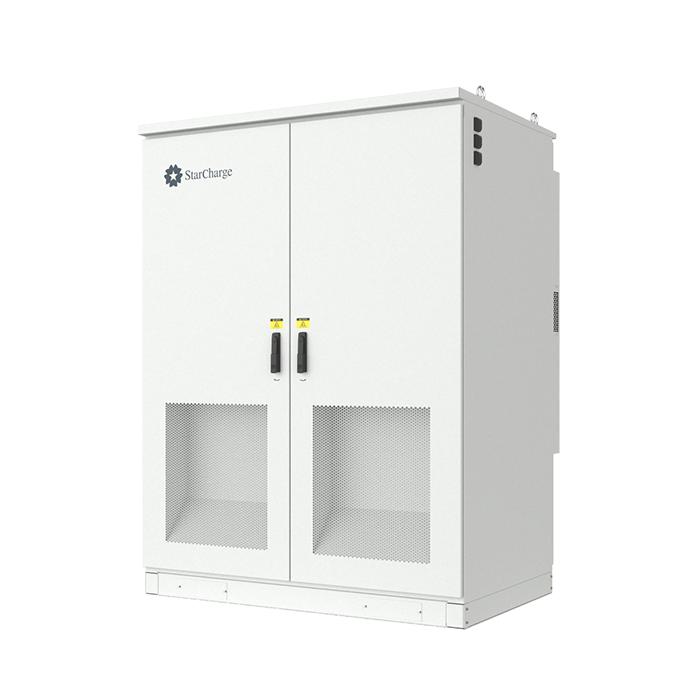
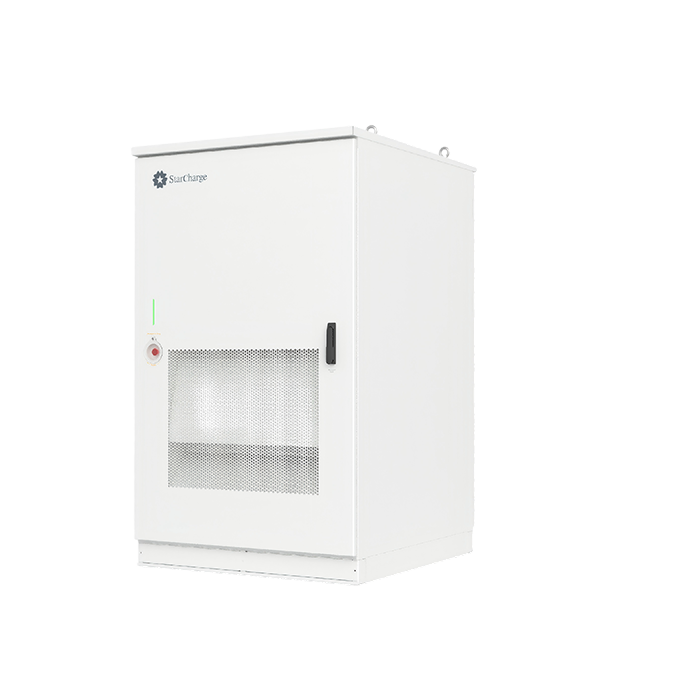
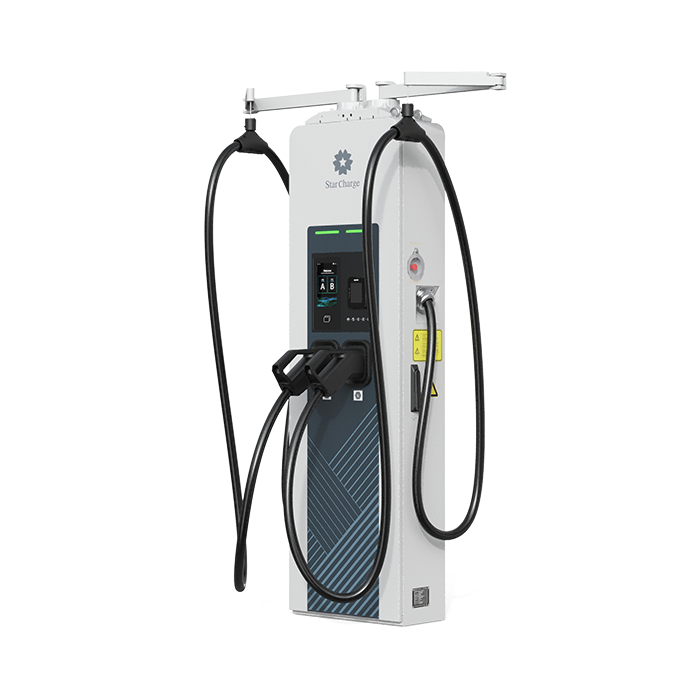
Star Energy, one of the core brands of Wanbang Digital Energy Co., Ltd., is deeply cultivating the new track of green energy. Taking its integrated 'PV-storage-charging-trading' comprehensive solution as a powerful lever, it has achieved a full industry chain layout and continuous upgrading spanning from new energy vehicle charging to energy production, storage, management, consumption, and trading, helping all kinds of users bring all kinds of adjustable loads into grid source-load interaction, achieving green, digital, and low-carbon development, and helping China achieve its 'dual carbon' goals at an early date.
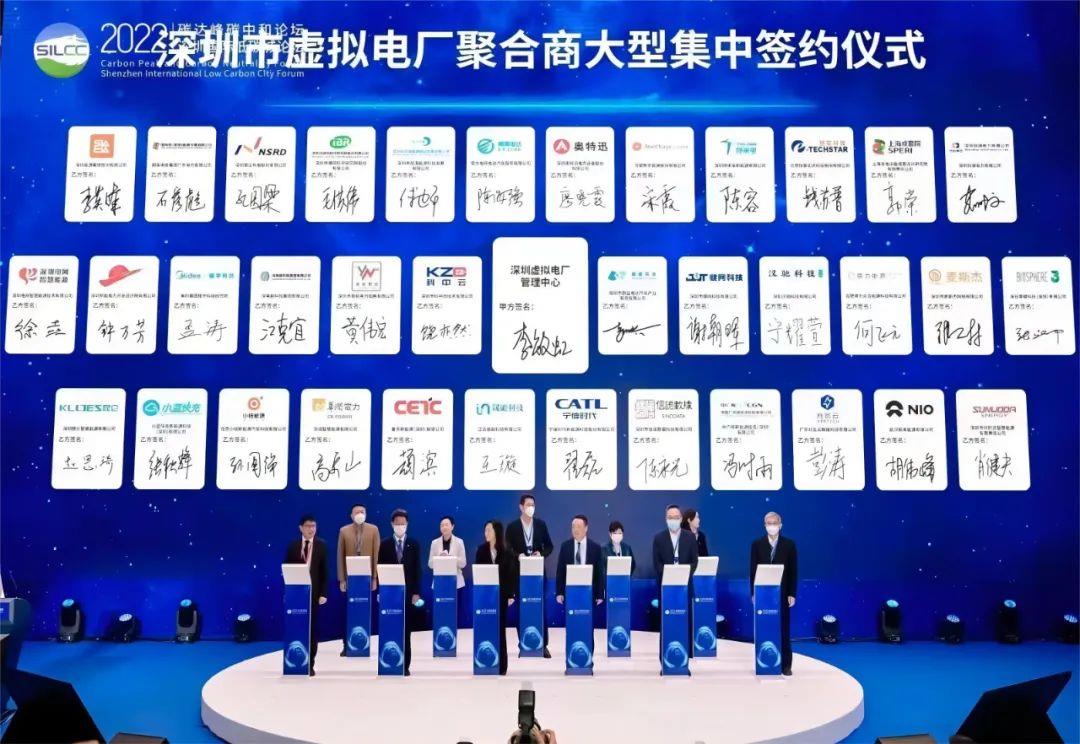
Recently, the 2022 Carbon Peak and Carbon Neutrality Forum and the 10th Shenzhen International Low-Carbon City Forum were successfully held, along with a large-scale centralized signing ceremony for Shenzhen Virtual Power Plant aggregators. The aggregators signing this time mainly included load aggregators, large charging enterprises, energy companies, building and property resources, energy storage resources and application enterprises, and others. Star Energy, as a leading enterprise in the new energy vehicle charging field, officially signed on and became one of the first aggregator companies of the Shenzhen Virtual Power Plant, with an expected adjustable capacity of 1.32 million kW in the future.
It is reported that a so-called 'virtual power plant' uses Energy Internet technologies to aggregate, manage, and optimally control scattered power load resources at end users, such as charging piles, air conditioners, and energy storage — much like building a 'power plant in the cloud.' Aggregators, in turn, act as third-party agents between the grid and end users, gathering the small-scale, numerous 'retail investors' of power loads and representing users in interactions with the grid.
It is reported that from August 26 this year, when Shenzhen established China's first virtual power plant management center, to this centralized signing of virtual power plant aggregators, the development of Shenzhen's virtual power plant industrial ecosystem has already entered the fast lane. Shenzhen has currently connected virtual power plants with an adjustable capacity of 700,000 kW, which is expected to rise to 1 million kW by 2025, forming a stable regulation capability of about 5% of the annual maximum load.
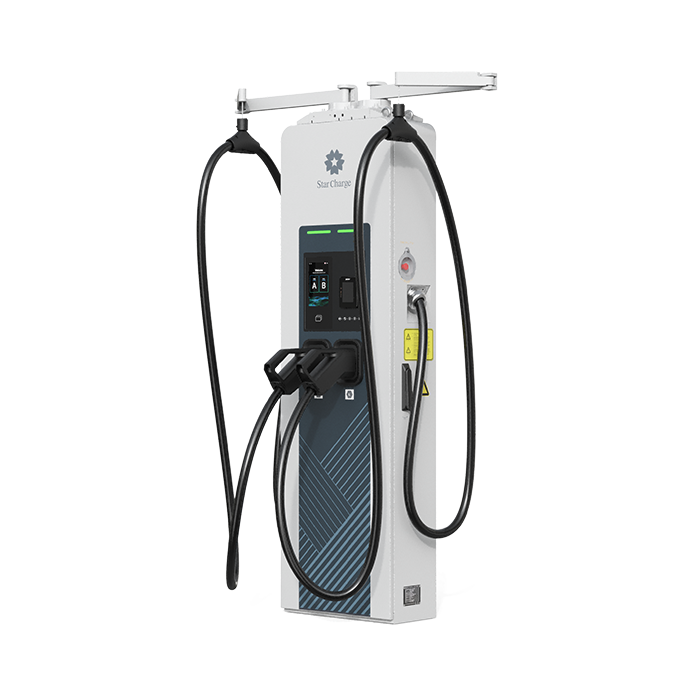
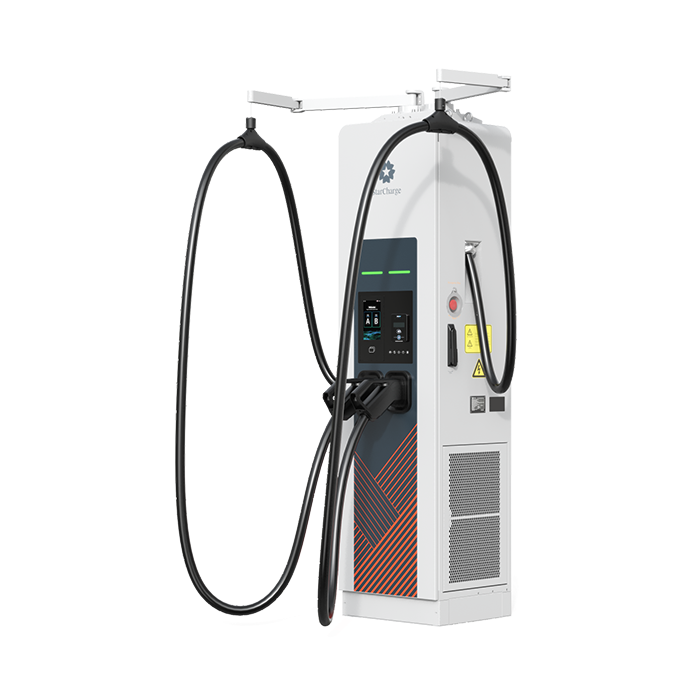
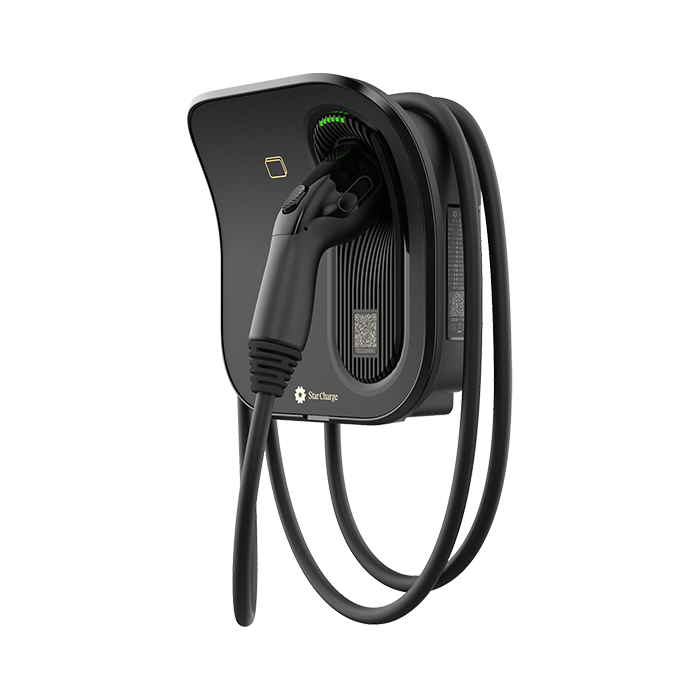
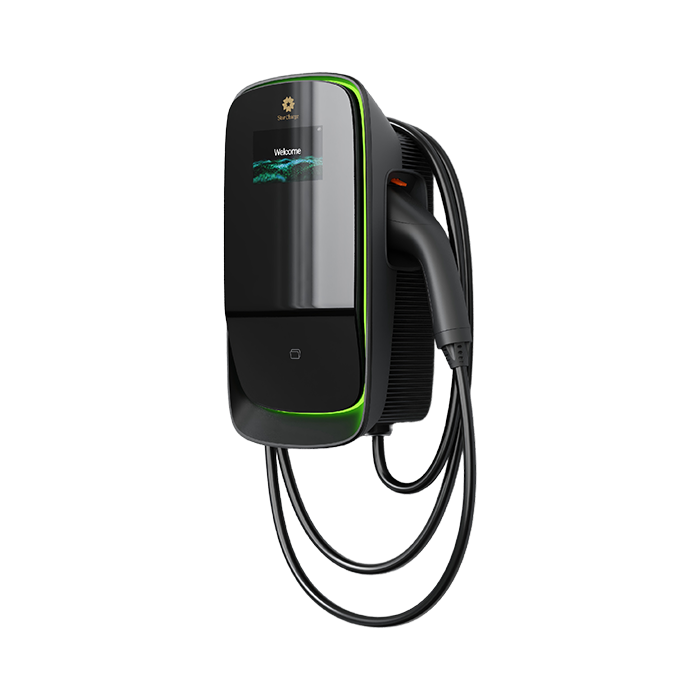
Currently, Star Energy has connected 100,000 kW; in the future, it will gradually connect its remaining self-operated and jointly-operated charging stations in Shenzhen, reaching an adjustable load of 1.32 million kW — at which point it will become the aggregator with the largest adjustable load scale among charging companies connected to the Shenzhen Virtual Power Plant. Meanwhile, its self-developed V2G smart charging piles and commercial-and-industrial and residential energy storage systems are also under construction one after another.
Moreover, relying on Star Energy's communication technologies and cloud control technologies, mature capabilities of observability, measurability, adjustability, and controllability have been built in aggregation, response, regulation, and control, with energy management and control at time scales as fine as daily, hourly, minute-level, second-level, and millisecond-level, enabling rapid response to all kinds of grid needs.
In the future, Star Energy will also leverage the Shenzhen Virtual Power Plant platform to accelerate the implementation of integrated PV-storage-charging-trading solutions, strengthen grid source-load interaction capability, raise the overall share of green energy in cities, speed up the building of a modern energy system, and let the wind of new energy blow into residential communities, enterprises and institutions, government agencies, factory parks, commercial buildings, and more — accelerating the building of green, digital, low-carbon cities and extending the model to other provinces and cities, providing a 'Shenzhen model' and contributing Star Energy's wisdom and strength to helping China achieve its 'dual carbon' goals at an early date.