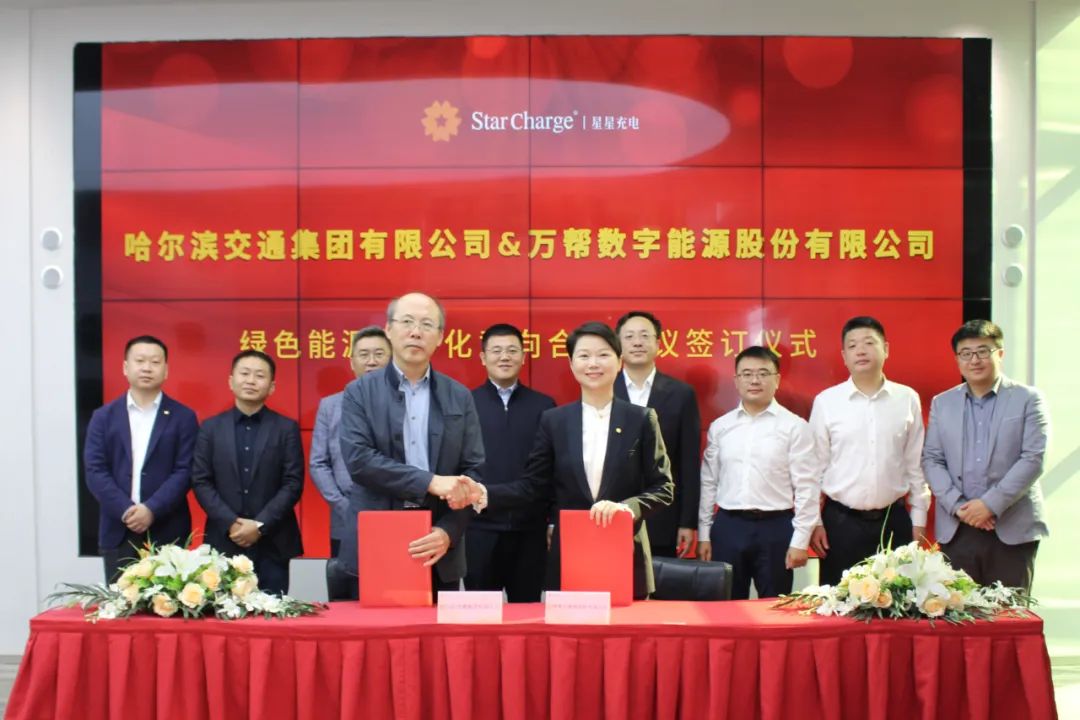
On November 8, Wanbang Digital Energy Co., Ltd. and Harbin Transport Group Co., Ltd. (hereinafter 'Harbin Transport Group') officially signed a letter of intent for green energy digitalization cooperation. The two parties will actively explore urban charging network construction, digital and intelligent energy management and application, comprehensive green energy planning, and other fields, laying a solid think-tank foundation for Harbin's green, digital, and low-carbon development, striving to become a main force in building a 'Green Harbin,' and providing a 'Harbin model' for China to achieve its 'dual carbon' goals at an early date.
It is understood that Harbin Transport Group integrates urban public transport operation with transportation infrastructure investment, construction, and management. Among its main businesses, its bus routes, buses, and passenger volume account for more than 50% of Harbin's total; it manages 74 bus stations of various types across the city, and also operates taxis, river ferries, transport energy, freight, and other businesses.
As early as the 13th CPC Heilongjiang Provincial Congress held this year, implementing the 'Five Firsts,' building the 'Seven Metropolises,' and developing the 'Six Longjiang' became the consensus of the Harbin delegation, and since then, keywords such as 'innovation,' 'green,' and 'digital economy' have been mentioned repeatedly. As a builder and leader of urban transportation, on the new journey of the new era, for Harbin Transport Group, promoting the electrification and green transformation of urban transport and achieving deep two-way integration of new energy and transportation is both a responsibility and a mission.
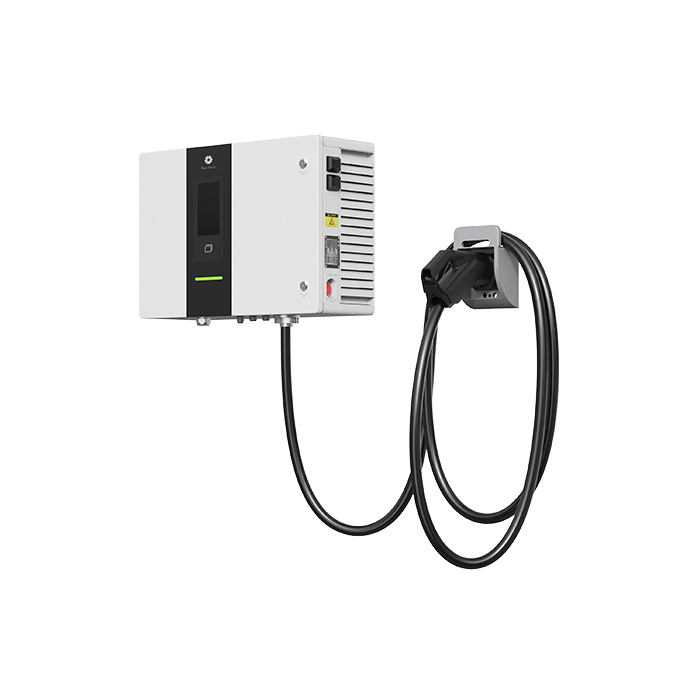
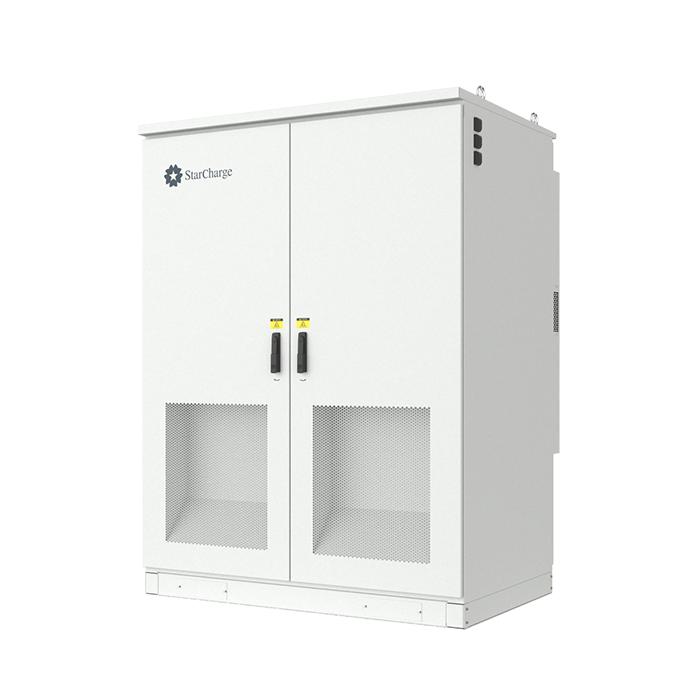
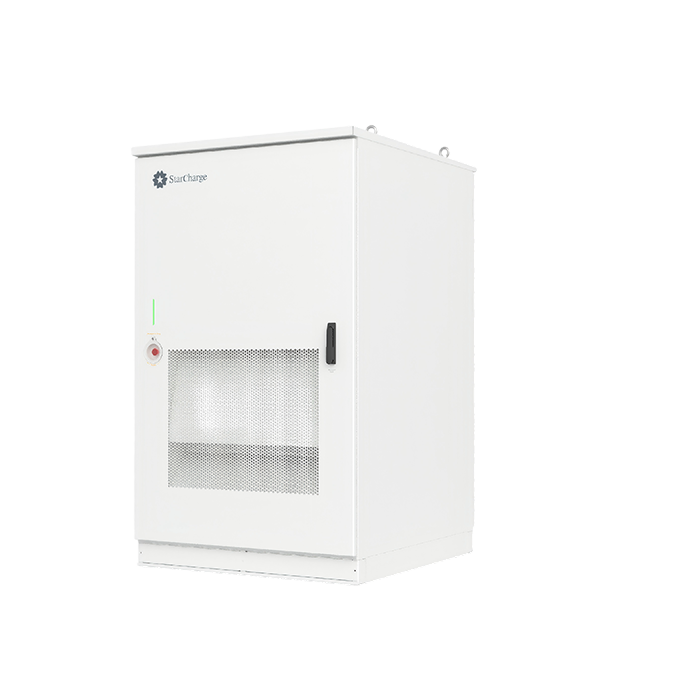
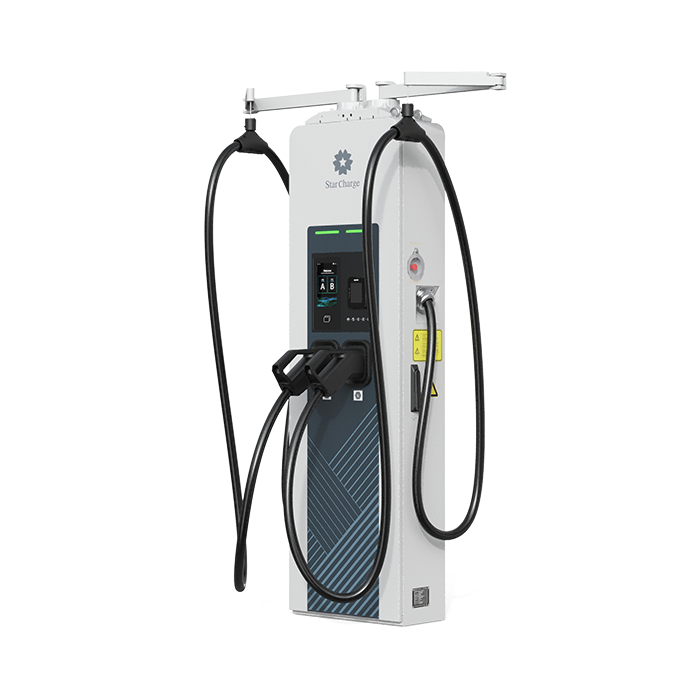
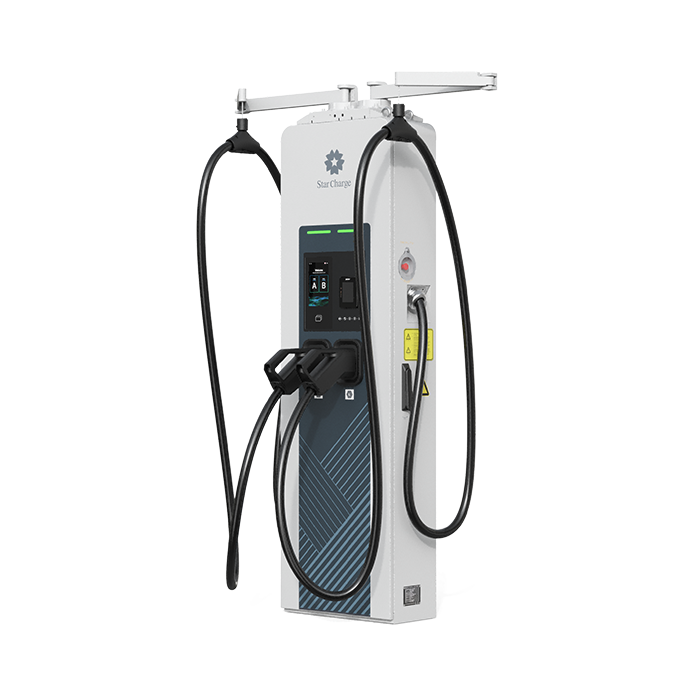
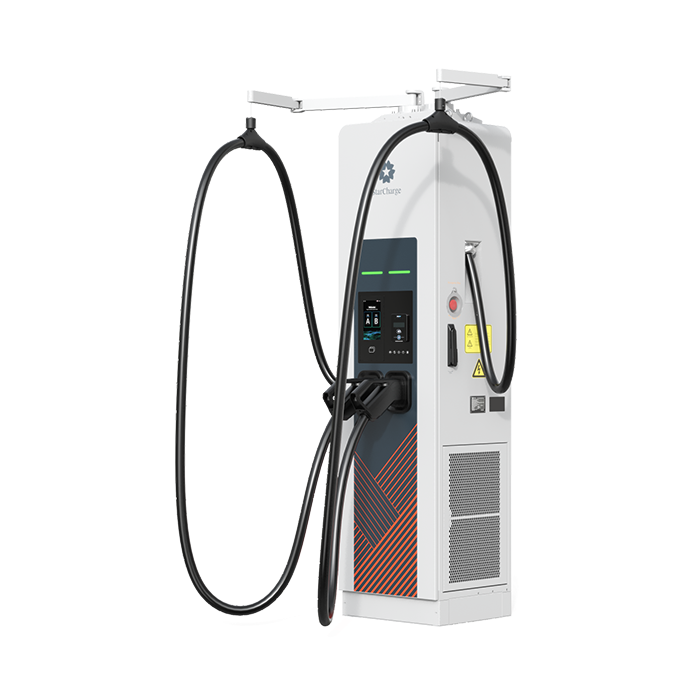
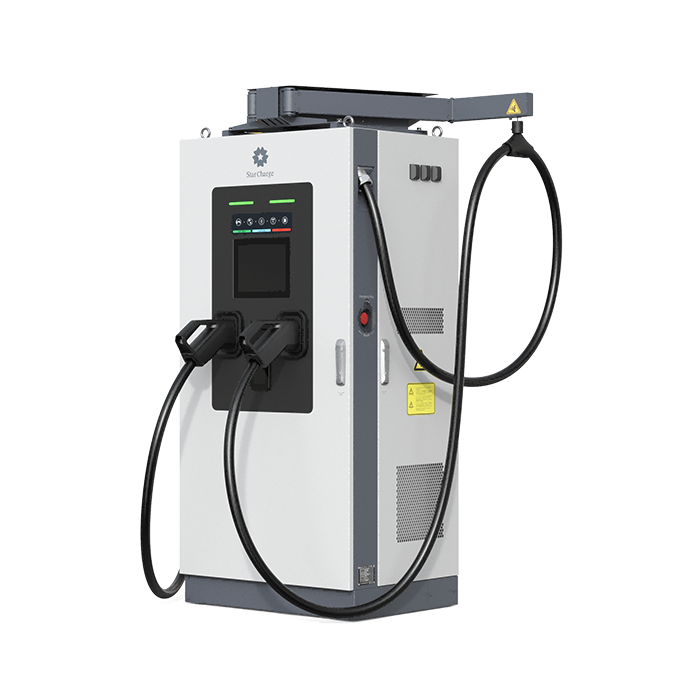
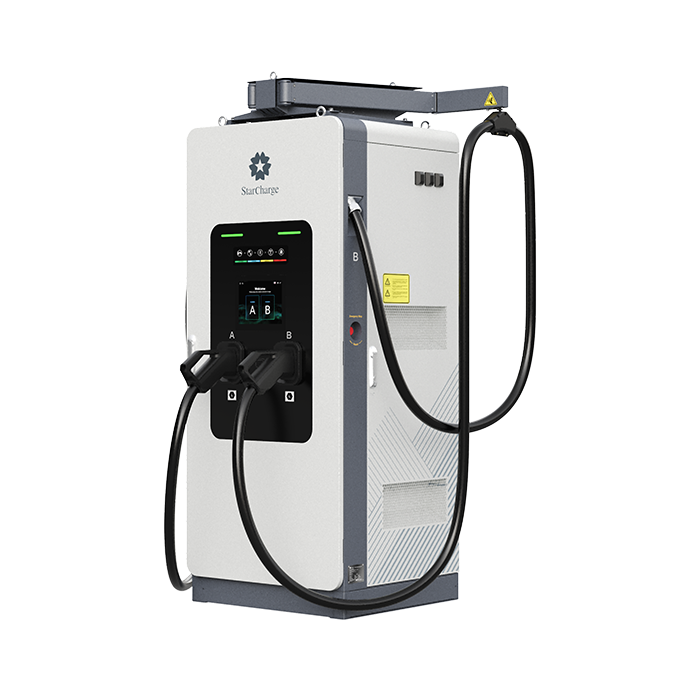
StarCharge is one of the core brands of Wanbang Digital Energy Co., Ltd. and a leading unicorn in Asia's digital energy field. It provides customers across China and around the world with equipment, platforms, user and data operations, as well as comprehensive energy services such as PV-storage-charging-discharging, and is committed to the corporate strategy of 'connecting energy on one end and industry on the other, building a three-network integration platform combining the charging network, energy network, and user network,' to fulfill its mission and vision of 'driving the electrification of human transportation and jointly building a global Mobile Energy Internet.'
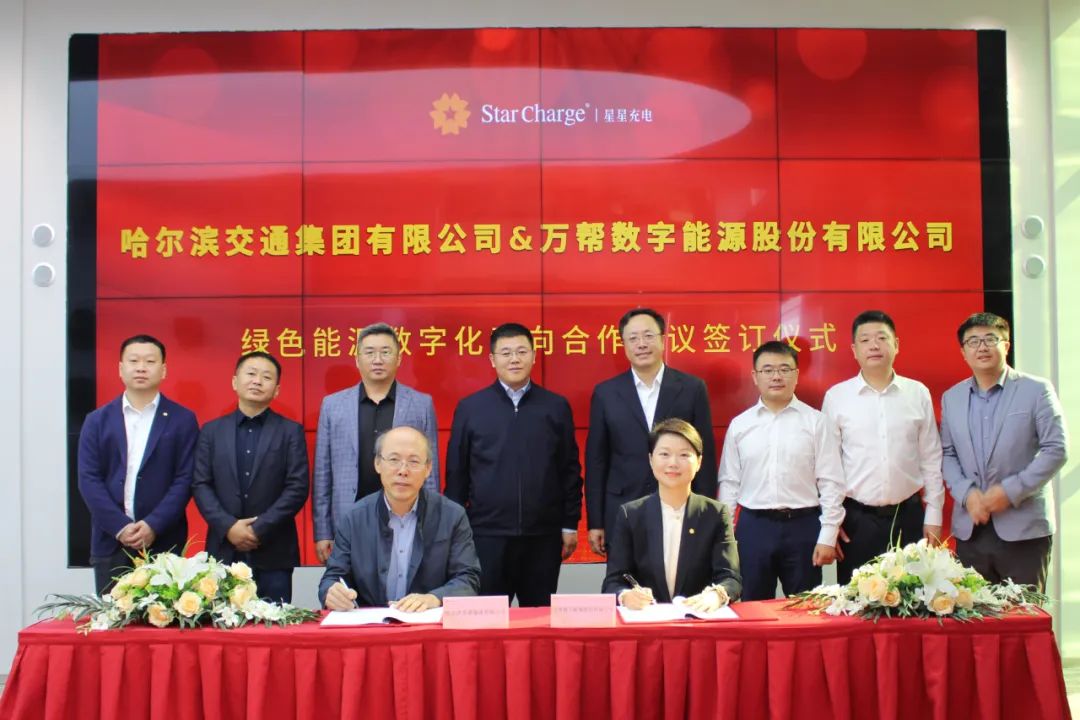
This cooperation is a strong alliance based on the two parties' strategic consensus, corporate strengths, and advantages. In the future, the two parties will carry out cooperation and joint building in four major areas: urban charging network construction, digital and intelligent energy management, smart energy application, and comprehensive green energy planning. They will carry out site selection, construction, and O&M of charging stations — including integrated PV-storage-charging-discharging — across scenarios such as bus stations in the city's nine districts and nine counties, transportation hubs, government districts, enterprise and institutional parks, and residential communities, improving Harbin's new energy vehicle charging network. Through PV, energy storage, V2G, and other technologies, they will build smart microgrid units covering stations, homes, buildings, and factories. At the same time, they will create the 'Harbin Urban Digital Energy Cockpit' smart energy aggregation management platform, which, through the aggregation platform, will fully mobilize distributed adjustable resources to realize platform-wide energy monitoring, management, scheduling and transmission, source-grid-load-storage interaction, and other smart energy applications. Finally, based on Harbin's actual development conditions and green transformation needs, they will formulate the 'Harbin Comprehensive Green Energy Plan' to create an exclusive 'Green Harbin model.'
The formation and promotion of the 'Green Harbin model' will also provide a demonstration model for other cities in China to achieve transport electrification and greening, promote energy transition and development, and help China achieve its 'dual carbon' goals.