On November 17-18, the 2022 2nd Energy Equipment Industry Simulation Technology Summit and the 2nd Charging Industry Moldflow Analysis Training & Symposium was successfully held in Changzhou.
More than 140 experts and scholars, including an academician of the Chinese Academy of Engineering, gathered together to present a purely substantive technical feast. Attendees included Zong Gang, Deputy Director of the Changzhou Municipal Bureau of Industry and Information Technology; Lu Wei, Deputy Director of the Changzhou Municipal Science and Technology Bureau; Li Qiang, General Manager of the Science and Education City Investment Holding Group; Zhang Yuming, Senior Vice President of Wanbang Digital Energy; Zheng Junyi, Chairman of Guochuang Mobile Energy; Li Hongqing, Senior Vice President of Wanbang Digital Energy; and Jiang Bingyun, Director of the Simulation Institute of Guochuang Mobile Energy.
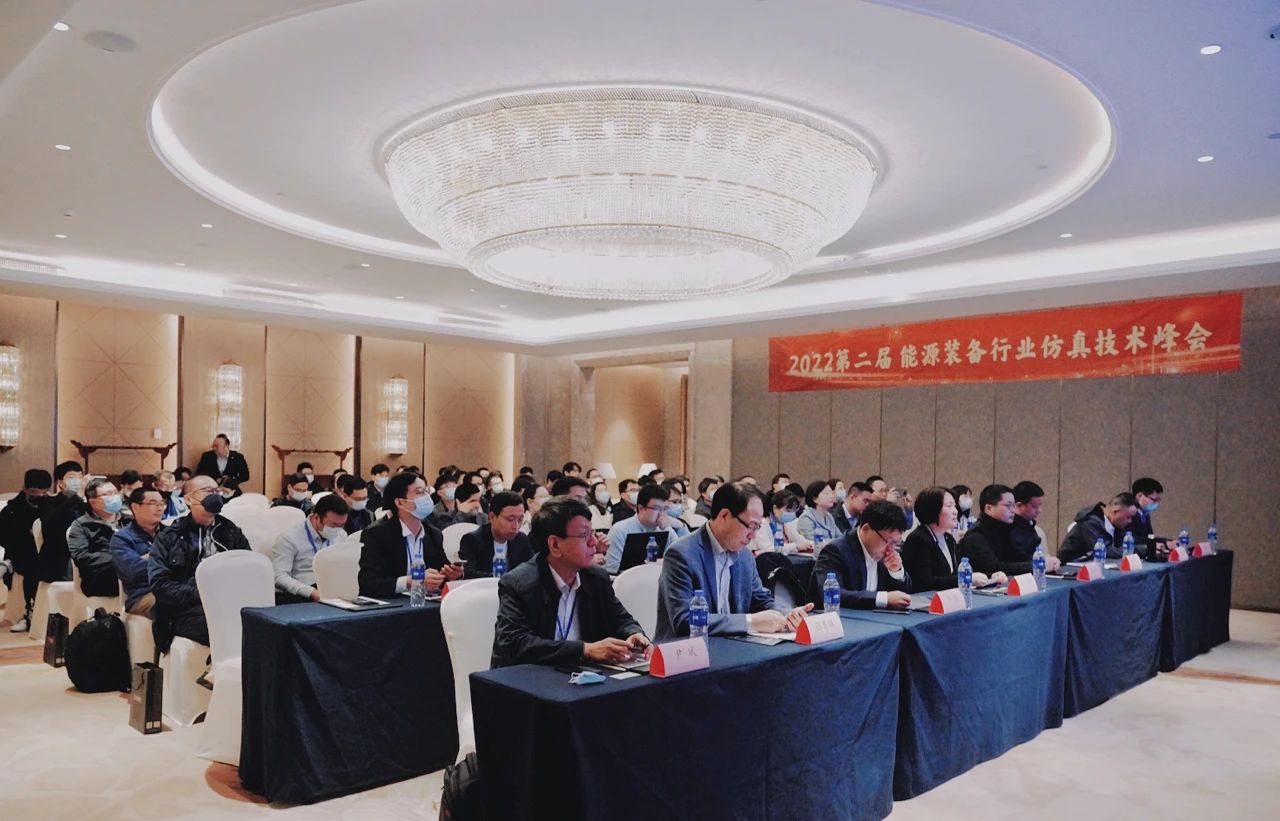
It is reported that the conference was guided by the Changzhou Municipal Bureau of Industry and Information Technology and the Changzhou Science and Education City Administrative Committee, hosted by the Guochuang Mobile Energy Innovation Center, and co-organized by Wanbang Digital Energy. Through keynote speeches, dialogues, exchanges, and other formats, it aimed to jointly promote the upgrading and development of China's smart energy equipment industry, realize the beautiful vision of 'simulation-driven design, digitalization integrated into equipment,' and help China achieve its 'dual carbon' goals.
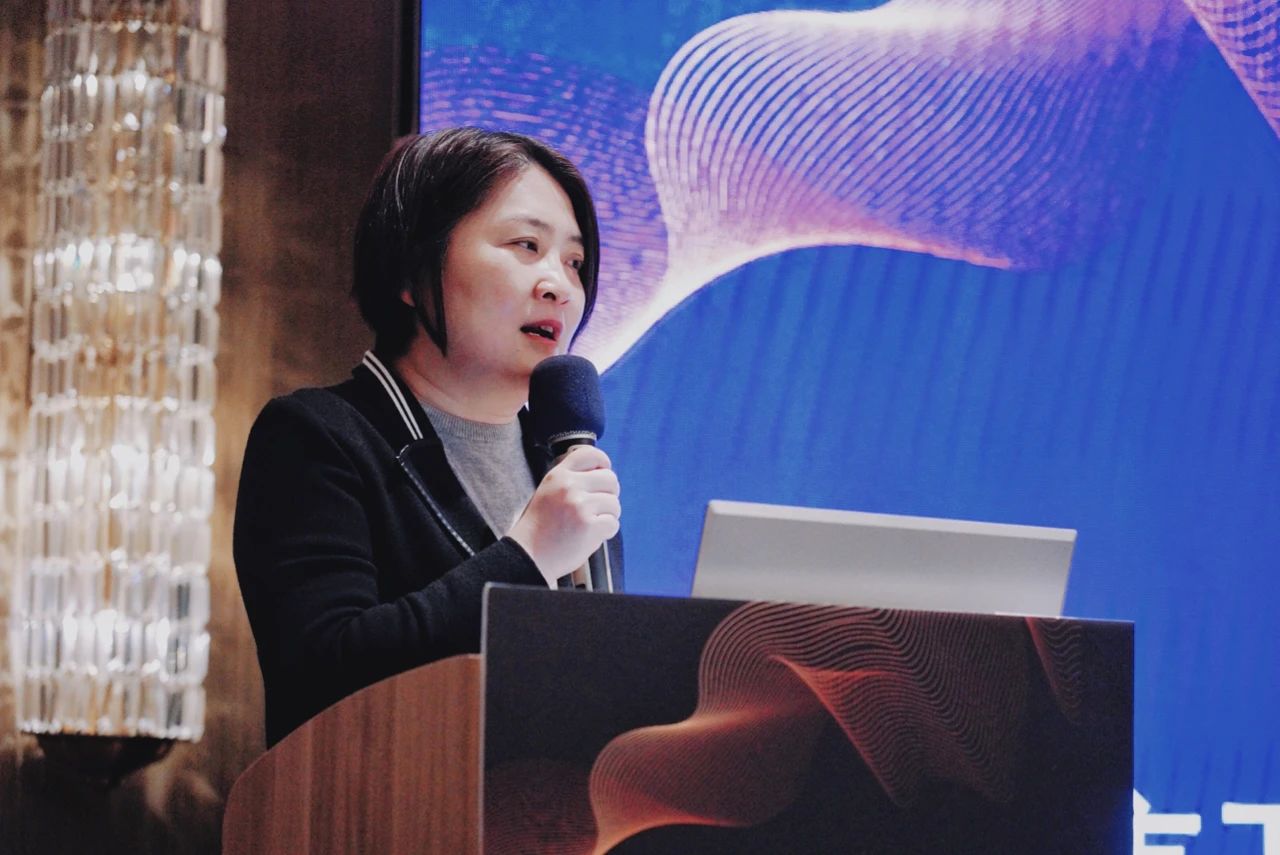
▲ Zong Gang, Deputy Director of the Changzhou Municipal Bureau of Industry and Information Technology
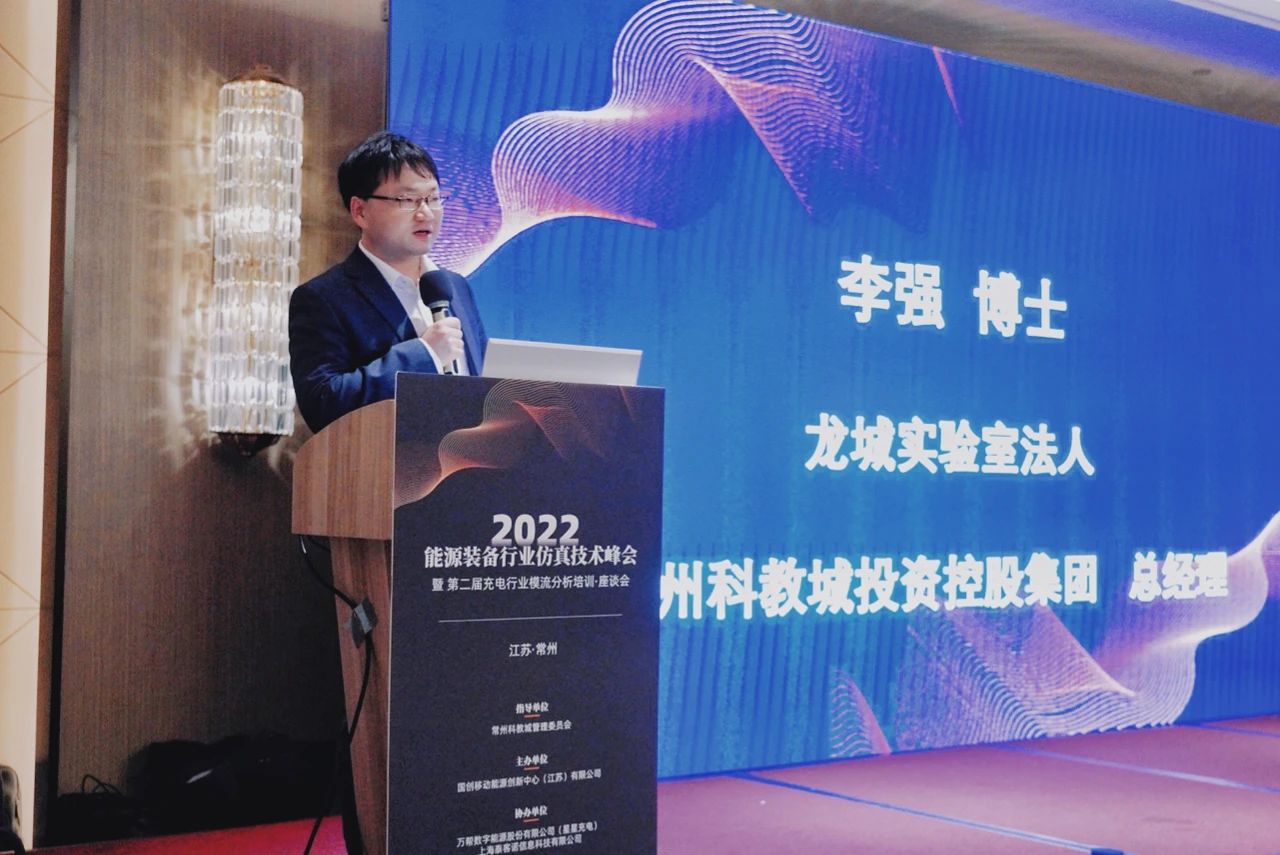
▲ Dr. Li Qiang, Legal Representative of Longcheng Laboratory and General Manager of the Science and Education City Investment Holding Group
Zong Gang, Deputy Director of the Changzhou Municipal Bureau of Industry and Information Technology, and Li Qiang, Legal Representative of Longcheng Laboratory and General Manager of the Science and Education City Investment Holding Group, presented to the audience — from policy to talent to industrial development — the magnificent new chapter that Changzhou, as the 'New Energy Capital,' is striving to write on the new journey of the new era.
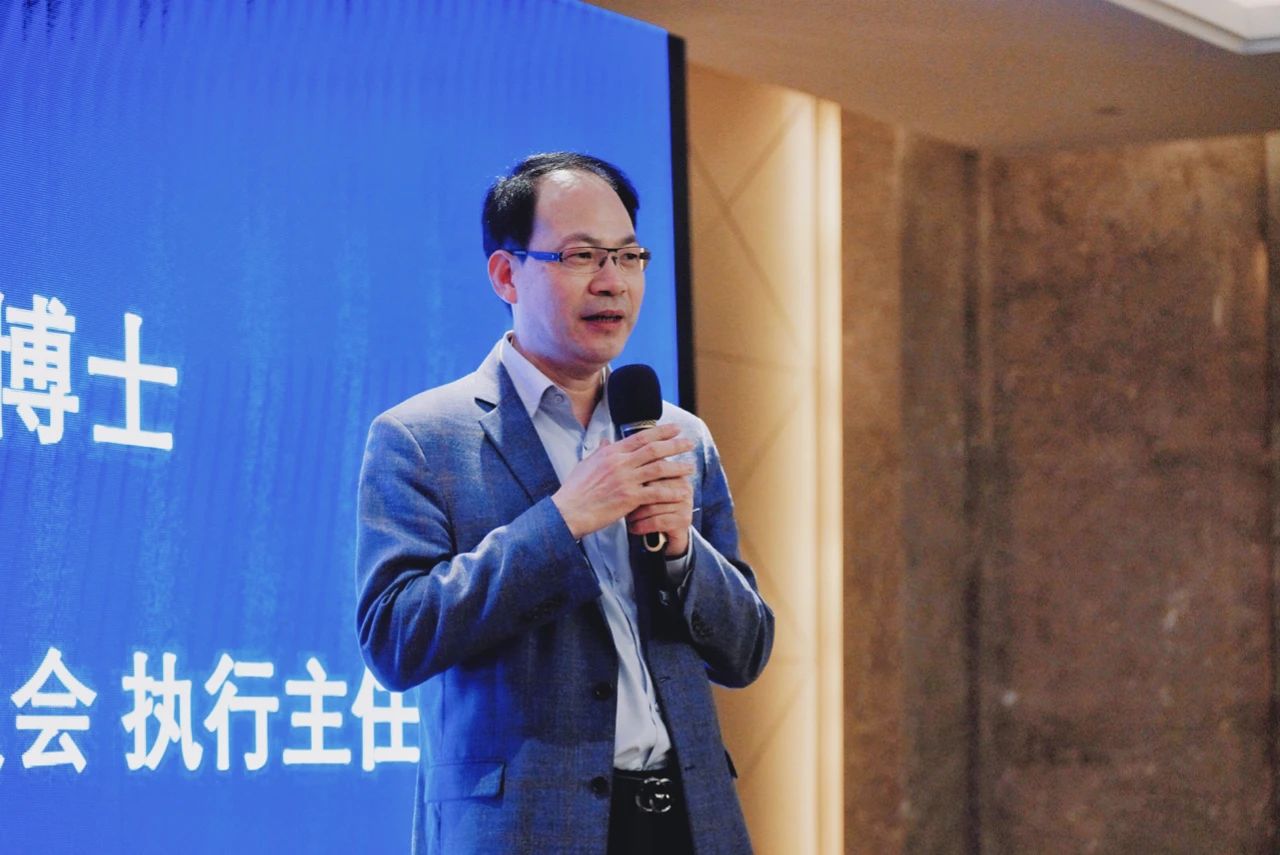
▲ Dr. Zhang Yuming, Executive Director of the Guochuang Energy Expert Committee and Senior Vice President of Wanbang Digital Energy
Zhang Yuming, Executive Director of the Guochuang Energy Expert Committee and Senior Vice President of Wanbang Digital Energy, extended a warm welcome to the attending guests. 'In holding this simulation summit today, I hope all colleagues will exchange ideas extensively, spark collisions of thought, and jointly raise the level of simulation application in the charging and energy equipment industries,' Zhang Yuming said. Achieving 'design automation' and 'simulation-driven design' has always been Wanbang's R&D goal, and it has already made certain achievements in simulation-driven design. He expressed the hope that this forum would build a high-quality exchange platform to better advance technological development and innovation.
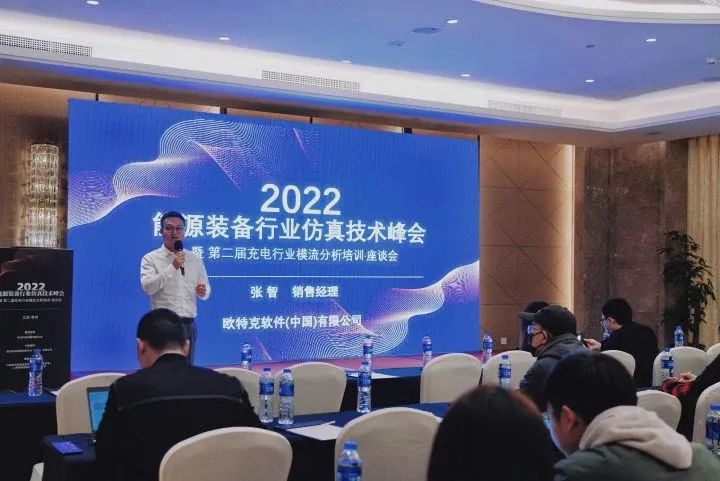
▲ Zhang Zhi, Sales Manager of Autodesk (China)
Zhang Zhi, Sales Manager of Autodesk (China), expressed his gratitude to partner StarCharge for its long-standing trust and support. Zhang Zhi said that in the future, Autodesk will further leverage its world-leading strengths and advantages in integrated 2D/3D design, simulation, and manufacturing software to further help customers including StarCharge better achieve product digitalization and intelligence!
At the conference, experts, scholars, and corporate R&D leaders also delivered their own keynote speeches, shared cutting-edge technologies, and exchanged ideas in real time, providing new thinking and exploring new methods for the future development of simulation and related technologies, and laying a solid foundation for overcoming the industry's key challenges and difficulties.
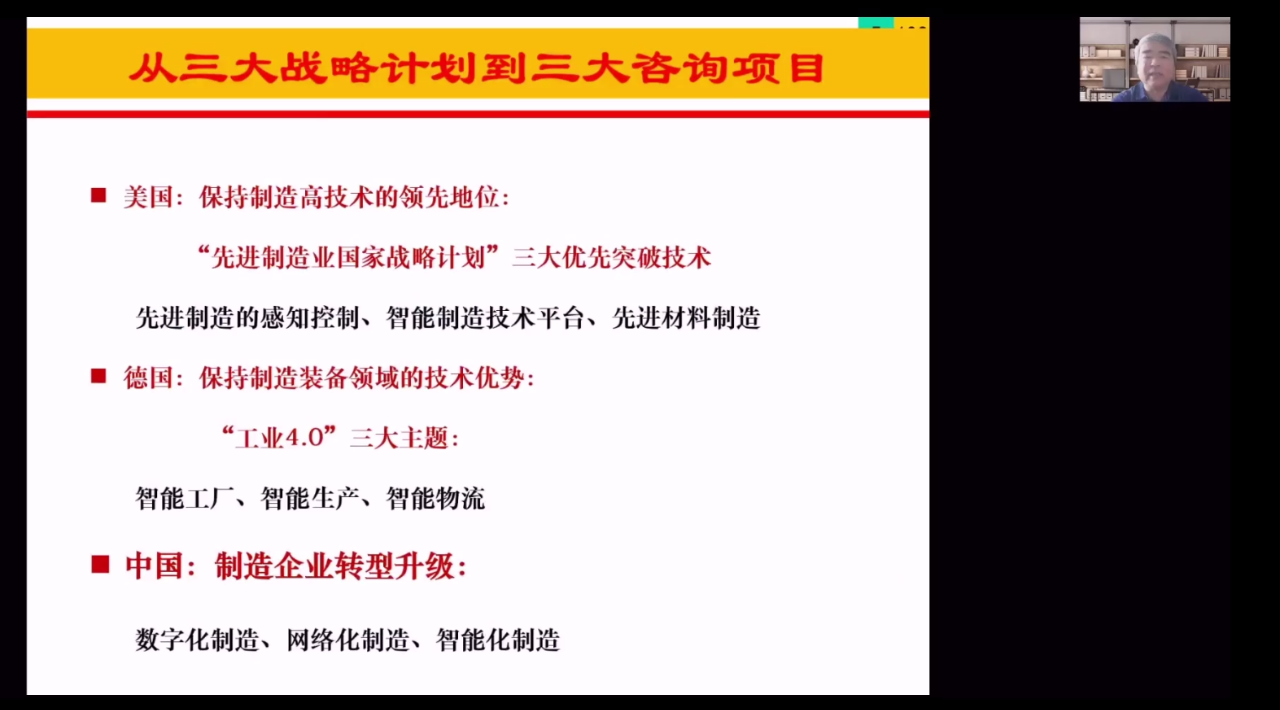
▲ Tan Jianrong, Academician of the Chinese Academy of Engineering and Qiushi Distinguished Professor at Zhejiang University
Tan Jianrong, Academician of the Chinese Academy of Engineering and Qiushi Distinguished Professor at Zhejiang University, shared online the development history of digital twin technology and the eight key technologies that need to be mastered, reviewed the emphasis various regions and countries place on digital twins and their applications in various fields, and gave a detailed introduction to his team's research progress on digital twins.
Wang Jiayun, Shanghai Chenguang Scholar and lecturer at the University of Shanghai for Science and Technology, shared the key technologies for dehumidifying charging piles, mainly introducing the basic methods of dehumidification, and also presented a new material independently developed by her team that can effectively improve dehumidification performance.
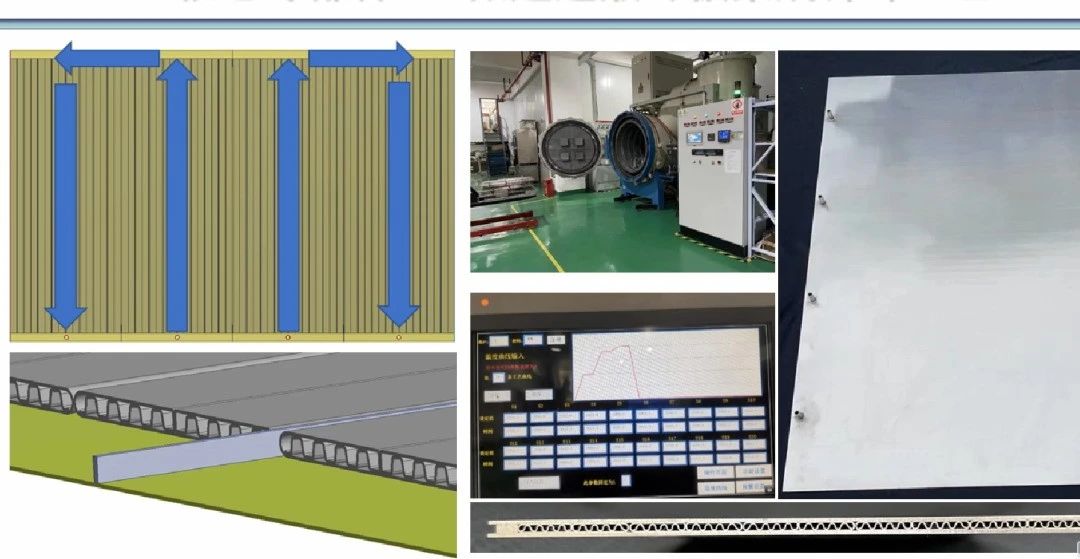
▲ Professor Li Dayong, Doctoral Supervisor at Shanghai Jiao Tong University
Professor Li Dayong of Shanghai Jiao Tong University mainly introduced the roll bending forming technology for battery pack profiles of new energy vehicles from the perspective of material forming. Through minimal cross-section design, springback is reduced and forming precision is improved, allowing thin steel to replace aluminum, thereby increasing overall stiffness while reducing weight.
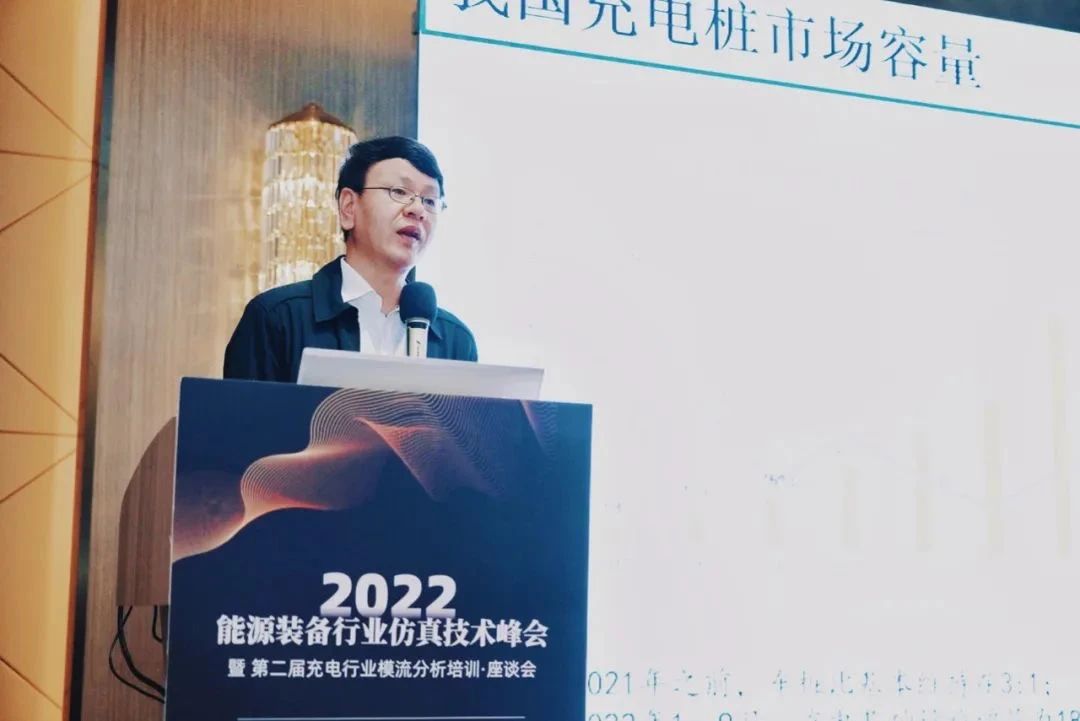
▲ Dr. Yin Bin, Director of the Energy Research Institute of the Hangzhou Sanhua Research Institute
Yin Bin, Director of the Energy Research Institute of the Hangzhou Sanhua Research Institute, introduced how he used simulation and testing methods to analyze the cooling effects of different coolants on charging connector cables, in order to find solutions for the heat dissipation of charging connectors and energy storage equipment. He shared the applicable scenarios of air cooling and compressor-based liquid cooling respectively, and presented the liquid cooling systems his team developed for these different cooling methods.
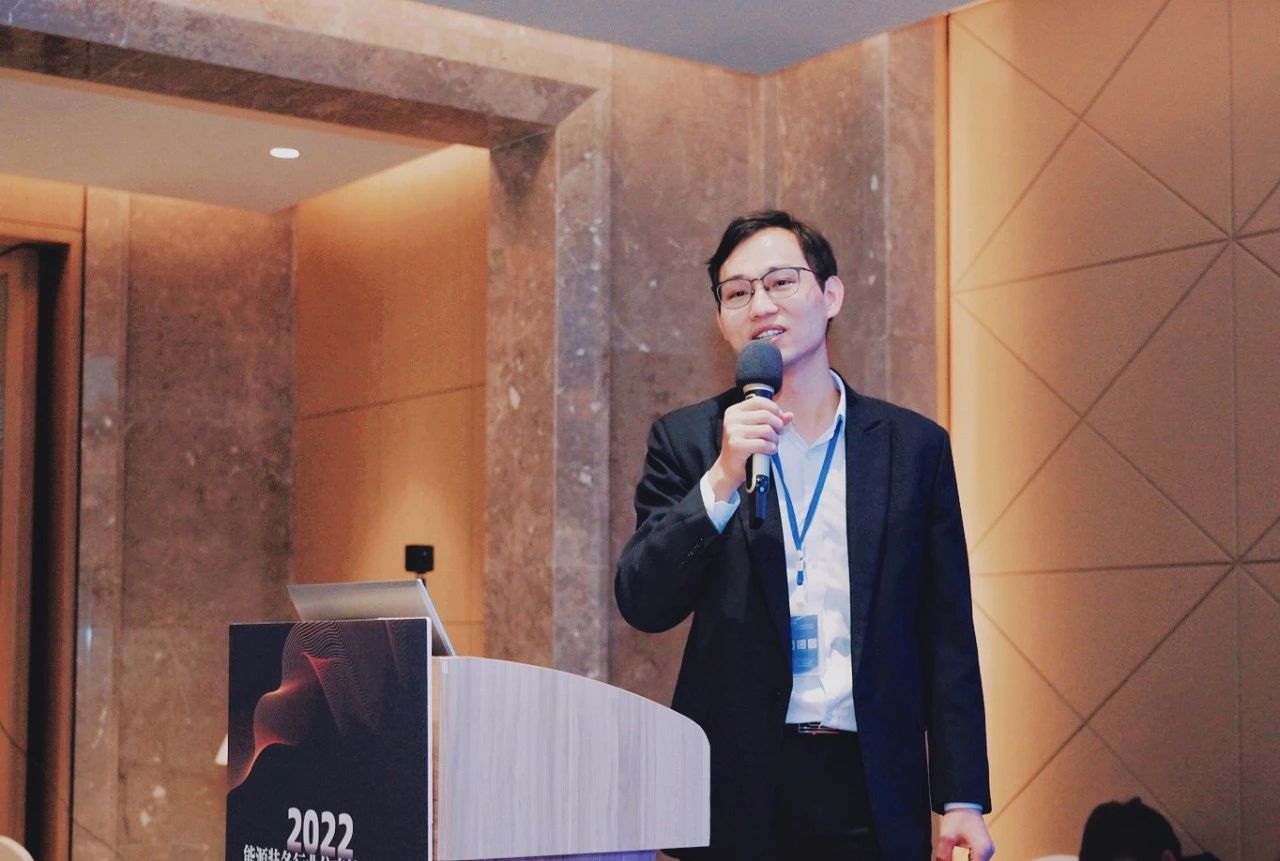
▲ Gong Yang, Tianmu Lake Advanced Energy Storage Technology Research Institute
Gong Yang of the Tianmu Lake Advanced Energy Storage Technology Research Institute gave a detailed introduction to the digital design workflow for batteries. He first explained the method of building a numerical equivalent model of a battery based on the working principles of lithium batteries. Next, he explained the principles of battery heat generation and the corresponding thermal management strategies. Finally, using optimization software, he performed optimization calculations across multiple parameters, greatly shortening the time required for manual optimization and improving efficiency, providing a complete set of solutions for the digital design of batteries.
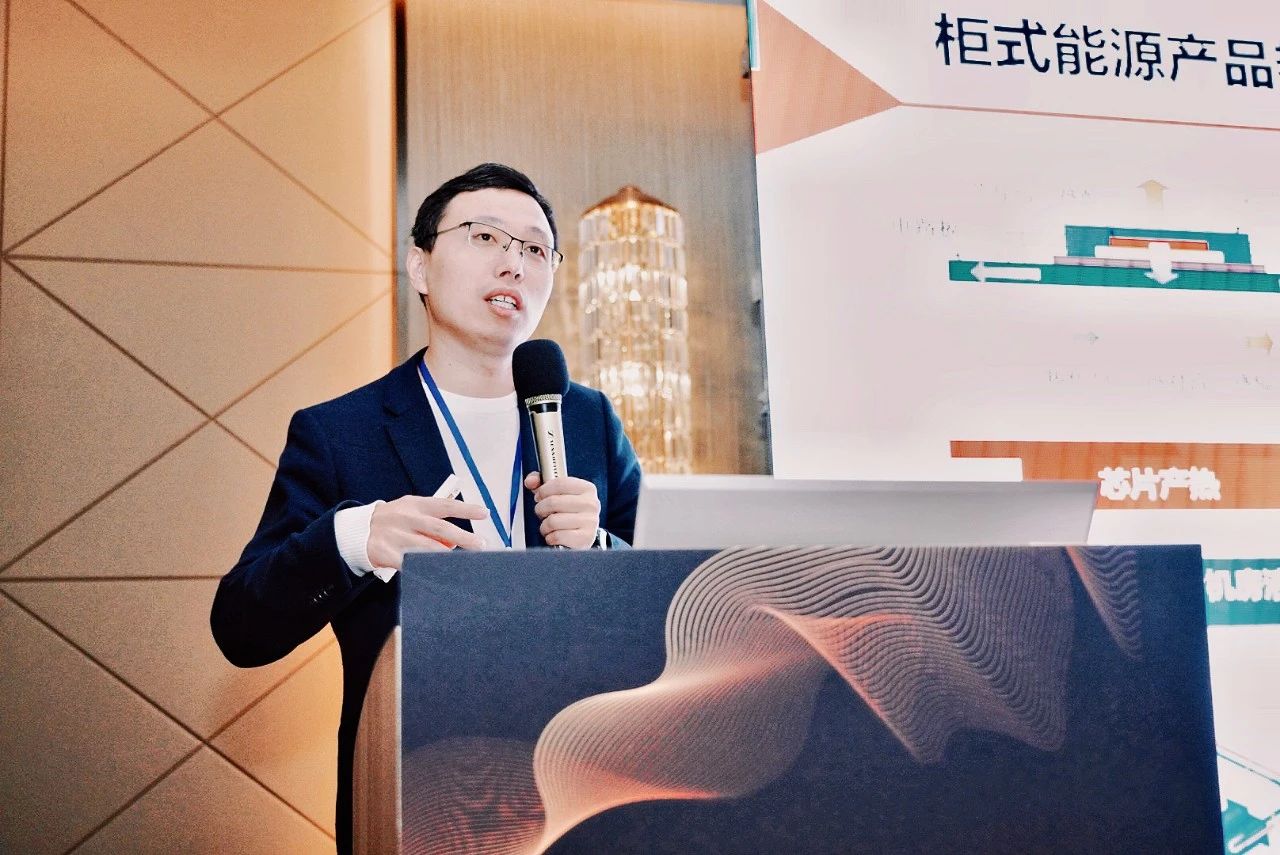
▲ Thermal Design Network technical advisor Chen Jiliang
Chen Jiliang, technical advisor at Thermal Design Network, gave a detailed introduction to the heat dissipation characteristics of energy equipment products, the main thermal design steps, and the key points of thermal design for air-cooled and liquid-cooled enclosures. He compared the pros and cons of three heat dissipation methods — air cooling, cold-plate liquid cooling, and immersion cooling — providing solutions and thermal design directions for the heat dissipation design of energy storage products.
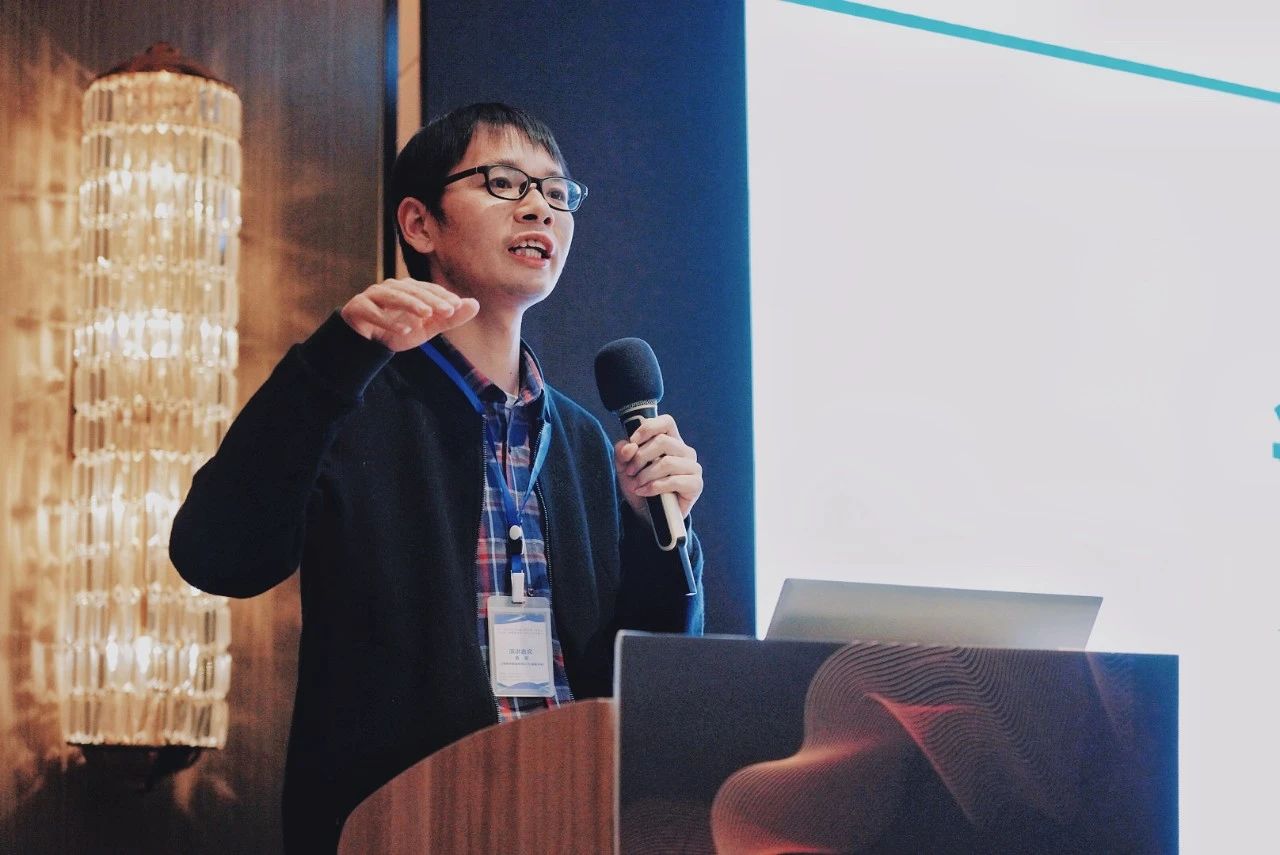
▲ Xingyu Automotive Lamps Simulation Manager Chen Xiaochun
Chen Xiaochun, simulation manager at Xingyu Automotive Lamps, gave a detailed introduction to thermal simulation and fogging simulation scenarios in automotive lamps. He presented an accessible explanation of the common problem of solar radiation prediction in lamps, introduced simulation methods for the fogging that occurs inside lamps as temperatures rise, and showed how to effectively remove the fog based on simulation results, providing a complete set of solutions for automotive lamp thermal design problems.
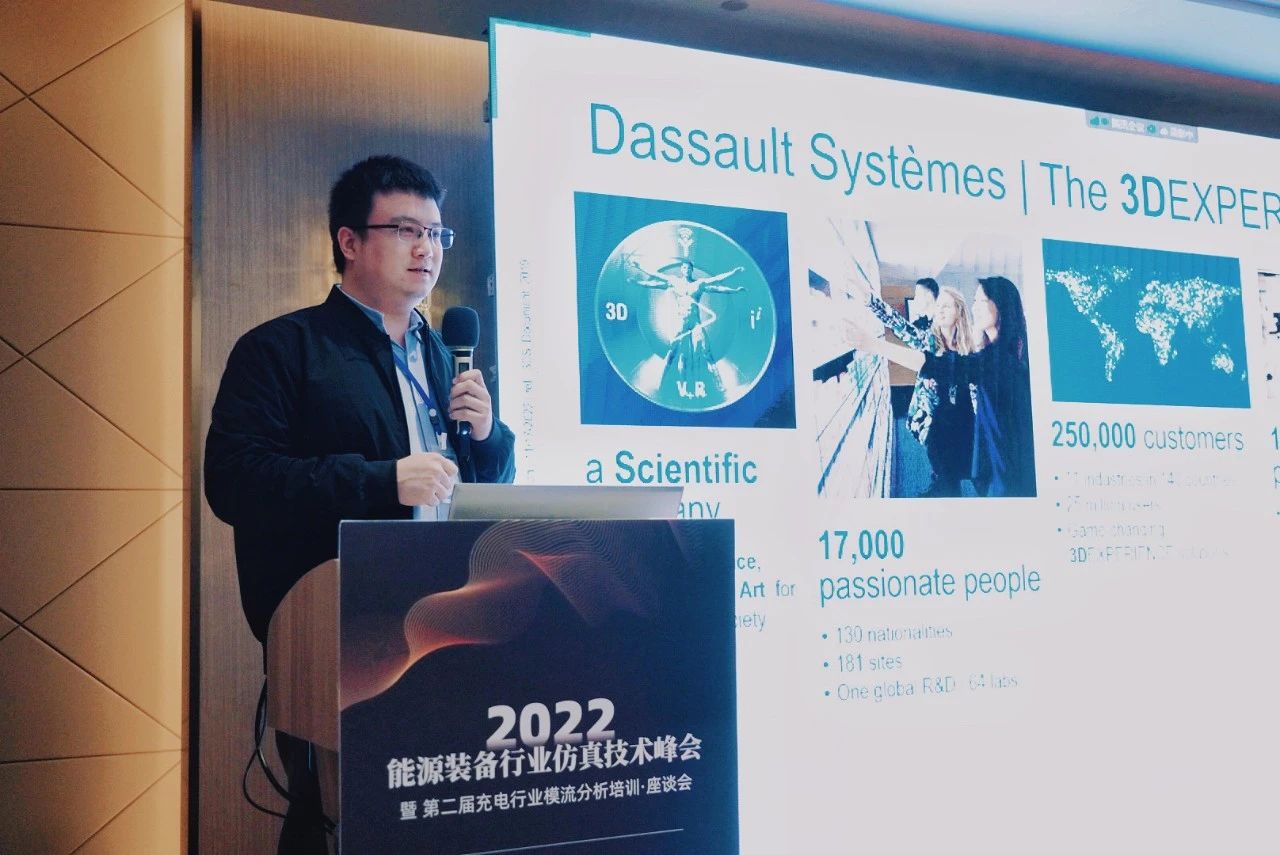
▲ Dassault Systemes technical expert Dr. Bai Changan
Bai Changan, technical expert at Dassault Systemes, introduced a series of industry solutions based on Dassault's professional aeroacoustics simulation software and presented prediction solutions for fan and cabinet noise. The software, based on the LBM method, can genuinely resolve turbulence and, through wavenumber decomposition, obtain precise aeroacoustic sources, effectively addressing the industry pain point of inaccurate aeroacoustic prediction.
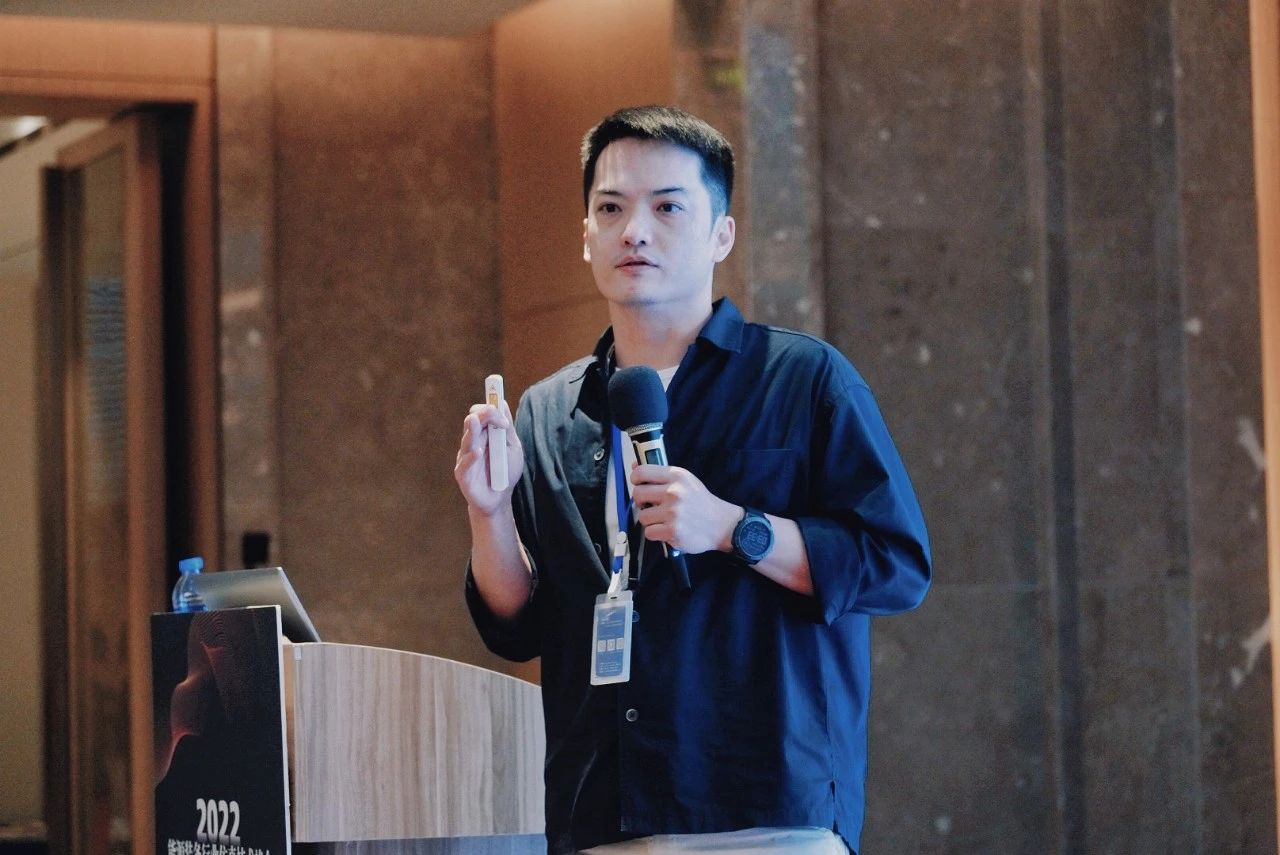
▲ CoolerMaster Product Development Committee Chairman Chen Yujun
Chen Yujun, chairman of CoolerMaster's Product Development Committee, proposed corresponding high-efficiency liquid-cooling heat dissipation solutions for different thermal application scenarios such as electronic products, communications products, electric vehicles, and charging piles, providing direction for the liquid-cooling thermal design of different types of products.
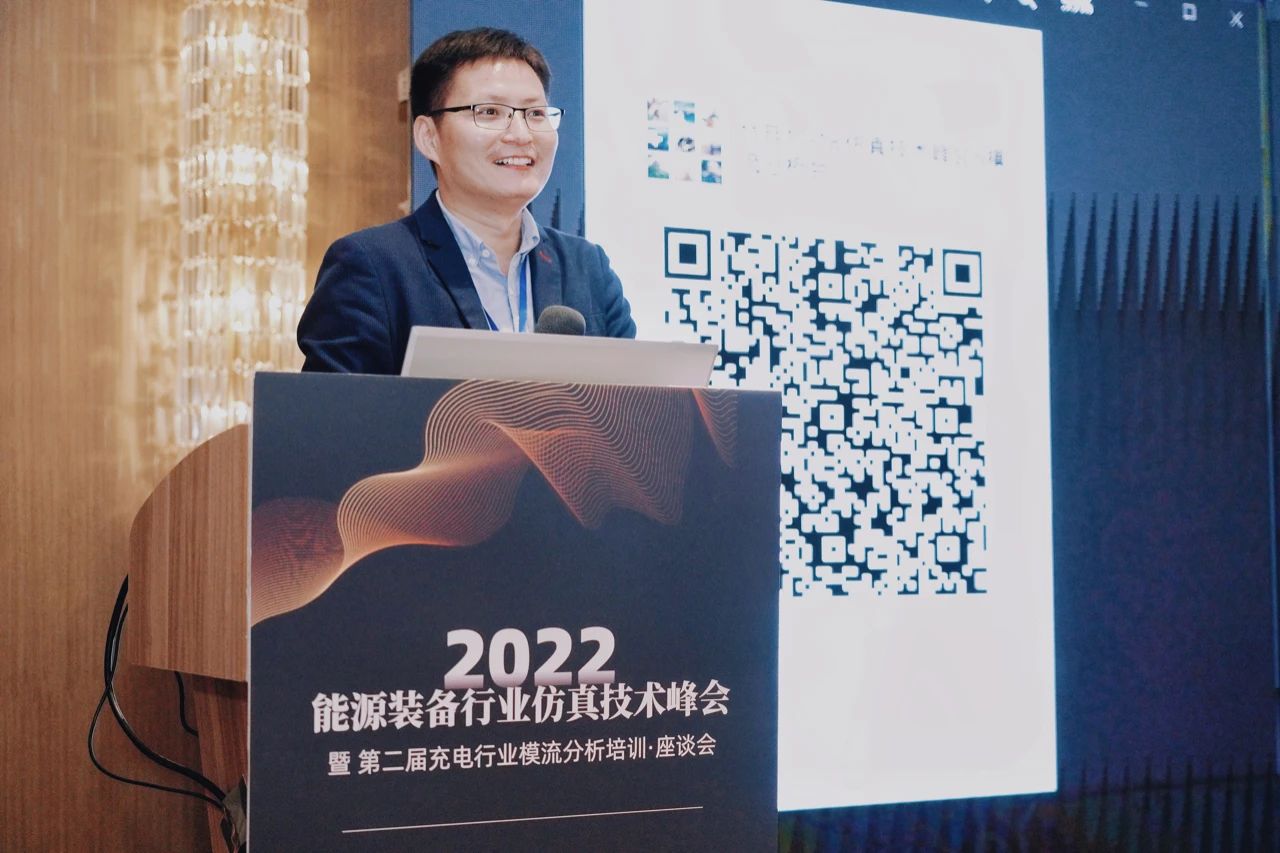
▲ Dr. Jiang Bingyun, Director of the Simulation Institute, Guochuang Mobile Energy Innovation Center
Jiang Bingyun, director of the Simulation Institute at the Guochuang Mobile Energy Innovation Center, shared a coupled simulation covering everything from establishing the constitutive model of glass-fiber-reinforced nylon materials, to mold flow simulation analysis, to DOE of the molding process, and finally to mapping the material from the mold flow analysis into the structural model to improve the accuracy of structural analysis, demonstrating the actual results through specific cases.
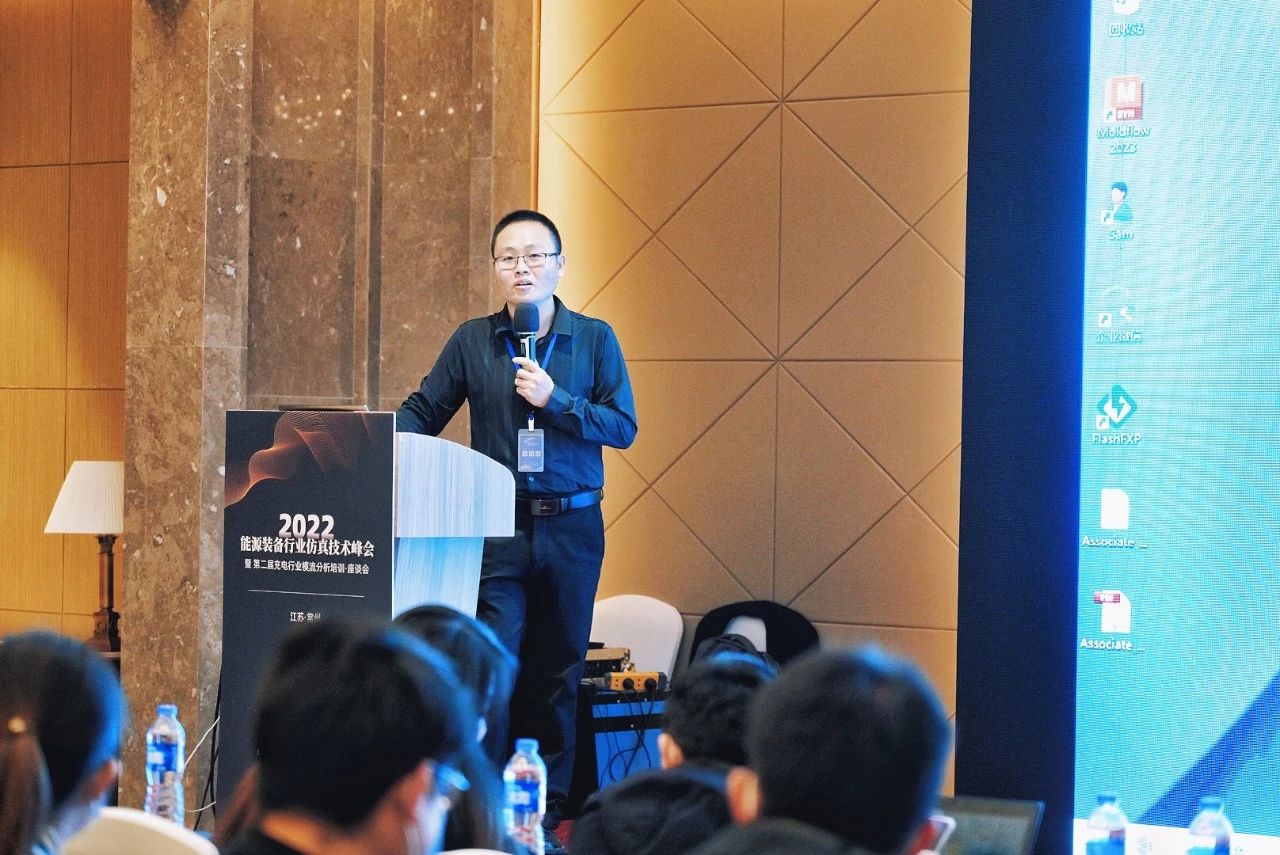
▲ MF Officially Certified Gold Medal holder and Taikenno Technical Director Yan Changfei
Yan Changfei, technical director of Taikenno, explained the root causes of injection-molded part defects at the mechanism level, analyzed them from multiple angles with cases, and offered concrete approaches that solved the problems at their root. He further provided specific standard values for the numerical outputs of the software's defect analysis; his sharing of rule-of-thumb values benefited everyone present immensely and will spare them many detours in the future.
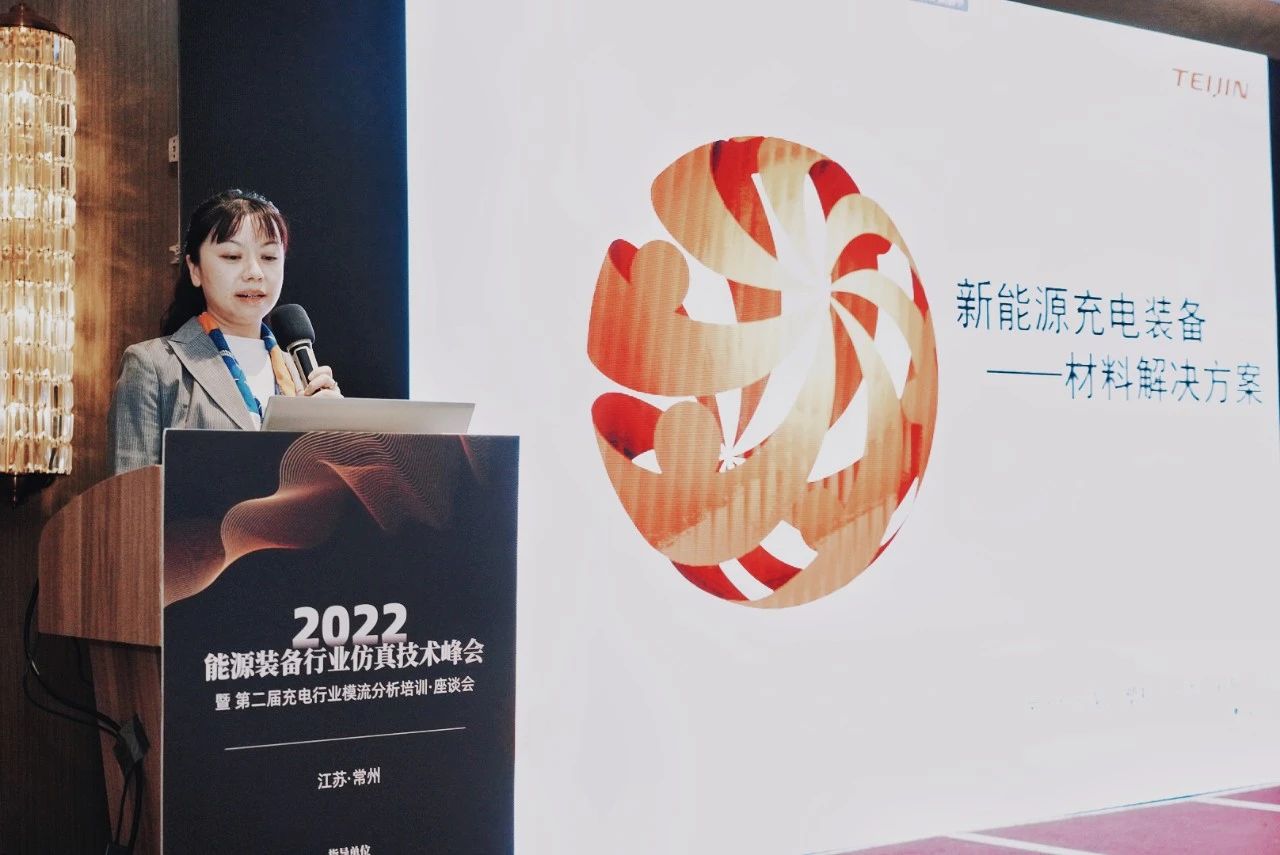
▲ Teijin Group Technical Director Gu Yi
Gu Yi, technical director of Teijin Group, introduced the philosophy of Teijin Group, the company's fields of materials, PC resins and their derivative materials, and its solutions for new energy charging equipment enclosure materials.
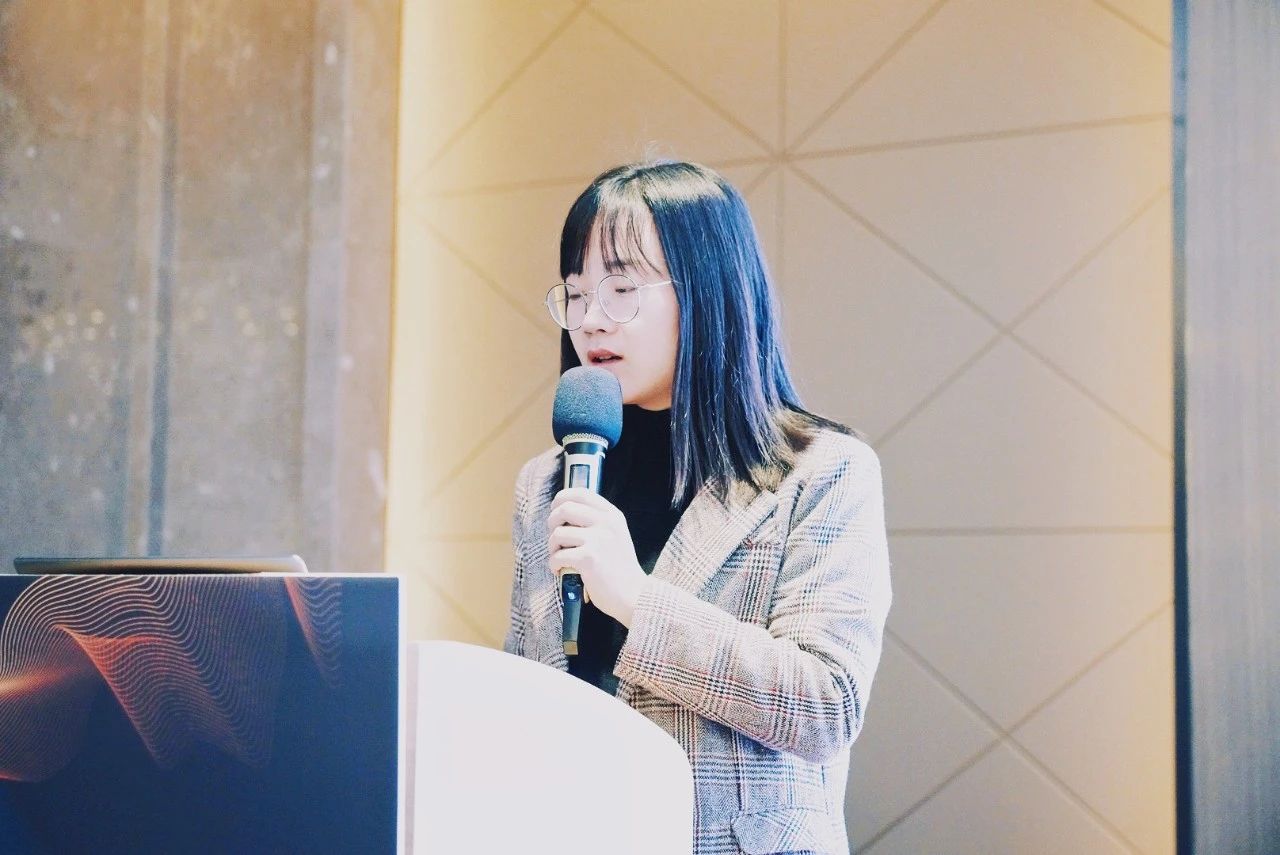
▲ StarCharge Senior Engineer Jiang Hong
Jiang Hong, senior engineer at StarCharge, proposed applying machine learning to mold flow analysis, using big data to solve problems and quickly and accurately identify the optimal mold temperature, melt temperature, and injection time. He also combined mold flow analysis with secondary development for intelligent application.
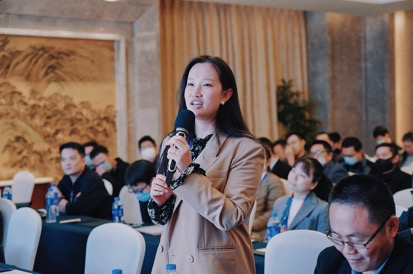
The brilliant presentations on stage also brought plenty of inspiration to the audience below. Drawing on the speakers' content, attendees raised their own questions, expressed their views, and shared their experience. With excellent interaction and in-depth communication between the stage and the audience, the event was packed with practical insights. Participants agreed that such events not only help with their future work, but are also highly meaningful for the future development of the industry.
See you next year — we won't be absent!